
Subscribe!

Homeless in RI: A Season Turns — The Crisis Remains
For everything there is a season — but for many, still no place to go.
As spring comes upon us, winter shelter beds disappear. In short order it will be time for summer cooling stations and overnight accommodations for super-hot nights and days – and, as expected, encampments will flourish once again. Proposals include extending some shelter contracts into summer/fall and finding new recurring funding sources but shortfalls will exist.
The current, widely seen as underestimated count of homeless in RI is 2,373. Some sources use the figure of 618 people without shelter, a notable increase, but also under-estimated.
The divergent way of dealing with encampments will surely rise to more concern with summer, though newly foliaged trees will leave some well hidden. One advocacy position is to stop authorities from clearing camps, while the other is more vigilant on clearing them than before. The law stands on the side of clearing, but how aggressive communities will be – with a layer of political season over it all – remains to be seen.
At least one cold-related death of an unhoused person has been confirmed in Rhode Island this winter, though advocates know, and RINewsToday has reported, that the true number is closer to four or five – with two deaths occurring almost in feet of a homeless program.
Some updated news on homelesness in RI:
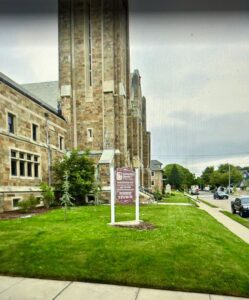
The RI Coalition to End Homelessness had told RINewsToday they were not leaving the downtown Providence CIC building, but now are announcing their move is complete to the Community Church of Providence on Wayland Avenue on the EAST SIDE of Providence.
Their role in providing SOAR counseling, which is to assist those in need in applying for available services from groups such as Social Security, etc. will now be done by Sojourner House. Sojourner House’s mission is to promote healthy relationships by providing culturally sensitive support, advocacy, housing, and education for victims and survivors of domestic violence, sexual assault, and human trafficking; and to effect systems change.”
The Coalition will now shift focus “toward strengthening data integrity across the program – ensuring consistency, accuracy, and alignment with the highest standards…” – and will begin a 3-year strategic planning process gathering insight from partners, providers, community members, and leaders to help shape a clear and actionable path forward addressing the evolving needs of our system”.
The Coalition also published information on changing SNAP regulations:
There have been more changes to the Supplemental Nutrition Assistance Program (SNAP). Able Bodied Adults Without Dependents (ABAWDs) are now subject to work requirements to recieve benefits for this program – there is a work exemption form that can be completed by community partners. Many folks will lose coverage in June 2026 if they do return completed forms to DHS. If you or someone you know receives SNAP benefits, please bring the Community Partner ABAWD Exemption form to a case manager or agency that you work with to help you complete it.
___
Crossroads
Kingstown Crossings Apartments had a man stab a woman in the back – she survived and knew her assailant. Building is for homeless individuals and is managed by Crossroads RI.
Crossroads Rhode Island is playing the long game when looked at overall programs—shifting resources toward permanent housing and support services that help people stay off the streets for good, but will not be ready for the spring and summer this year in a meaningful “more beds” way.
___
Family Service of RI – Youth and Young Adults Housing Advocacy
FSRI’s Youth and Young Adults Housing Advocacy says it works statewide to empower and stabilize young adults (18-24) experiencing housing insecurity to interrupt cycles of homelessness in the early stages – “Our program is designed to address the factors that led youth to not have a safe and stable home so that they can thrive.”
Youth eligibility
Youth 18-24 years old experiencing homelessness (couch surfing, living in a car, on the streets, etc.) or at imminent risk of homelessness (14 days away from being homeless, e.g., has an eviction notice or comparable documentation). For more information on whether you or someone you know is able to receive our support, please reach out to our intake team at (401) 519-2280.
Host eligibility
Single adults (at least 25 years of age), families, or other shared living arrangements that have an extra bedroom in their home that they are willing and able to offer to a young person for 30 days. Hosts are required to complete background checks, be Rhode Island residents, and complete the certification process. Certification process includes a screening, an application, an interview, a site visit, and reference checks. Hosts can be someone already known to an eligible youth or we can match hosts with a youth in need. For more information on host home eligibility and how you can help, please reach out to our intake team at (401) 519-2280.
Individuals may self-refer or be referred by their teachers/school staff, medical providers, social service agencies or other sources. Start a Referral
The RI Executive Office of Housing’s SECOND Year Annual Action Plan 2025-2029 DRAFT is available for review. See: https://housing.ri.gov/data-reports/departmental-reports. A public hearing is scheduled for Thursday, April 30, 5:00-6:00pm at the RI Department of Administration, 1 Capitol Hill, Providence, RI 02908, Second Floor conference room 2A. This is an important document as it is the state’s annual application to the federal government agencies: Department of Housing and Urban Development (HUD) for funding of the Community Development Block Grant Program (CDBG), HOME Investment Partnerships Program (HOME), the National Housing Trust Fund Program (HTF), and Emergency Solutions Grant Program (ESG).
I found the document lacking in specificity in terms of goals for addressing homelessness. For example, on page 16, Goal 2 Ending Homelessness, the single outcome is “3,000 shelter – persons”. What does this mean? We need to ask EOH questions about the program strategy and plan behind Goal 2 for the $29 million that will be spent on it.
Please review the plan and submit your questions to EOH. Come to the hearing next Thursday.