
Subscribe!
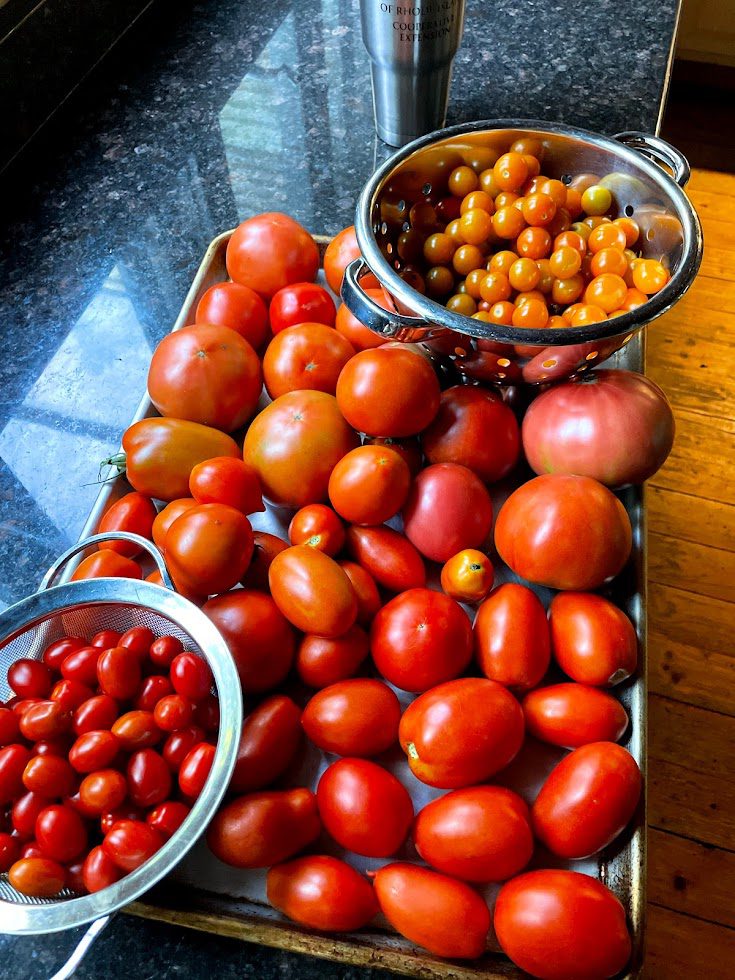
Fourth of July Tomato is URI Cooperative Extension’s Plant of the Year
URI Cooperative Extension recommends fast-growing variety for a slice of summer
Rhode Islanders who haven’t planted tomatoes yet can still plan on it enjoy a homegrown slice of summer.
The University of Rhode Island Cooperative Extension is putting the spotlight on tomatoes this year, naming the Fourth of July Tomato its Plant of the Year — a fast-growing, early-maturing slicer that URI says is a good choice for newer gardeners and anyone hoping to bring fresh tomatoes to late-summer cookouts, family gatherings, or backyard dinners.
URI Master Gardeners say the Fourth of July Tomato takes about seven weeks to produce fruit for the plate. While it is too late in the season to start from seed, starter plants are available at local garden centers, nurseries, and farm stands.
According to URI Cooperative Extension Program Administrator Kate Hardesty, the annual Plant of the Year is selected based on trial performance and reviews. URI Extension has been choosing a winning plant for many years, often selecting varieties that are approachable for beginning gardeners. The program alternates between vegetables and pollinator-supporting flowers. Last year’s selection was Penstemon hirsutus, also known as hairy beardtongue, a purple perennial native to eastern North America.
Hardesty said this year’s choice, the Fourth of July Tomato, grows to about 55 inches tall and is known as an early slicer tomato. It is good for fresh eating and is an indeterminate variety, which means it will continue to grow and produce, with proper care, until the first fall frost.
The plant requires full sun and can be transplanted outdoors after the last frost in spring. Its flavor also improves as summer temperatures warm.
Choosing the right tomato
The Fourth of July Tomato is one of several beginner-friendly tomato varieties recommended by URI Cooperative Extension.
“Looking for disease-resistant varieties is a smart decision for beginning gardeners,” said URI Cooperative Extension Coordinator Sejal Lanterman. “Sungold Tomatoes are also a good choice — they’re a prolific orange cherry tomato variety that is also indeterminate, so you can get tomatoes through the summer and into fall. They are so prolific that gardeners will likely need to harvest them almost daily during peak season.”
Most tomato varieties can be grown either in the ground or in containers, but URI notes that indeterminate tomatoes, such as Fourth of July, are generally best grown in the ground because the plants continue growing and producing until frost. That can result in large, vigorous plants.
Determinate tomatoes, by contrast, tend to stay smaller and produce most of their fruit over a shorter period of time. For that reason, they are often better suited for containers, Lanterman said.
When and how to plant
Lanterman said tomatoes should be planted once temperatures, including overnight temperatures, remain consistently at 50 degrees or above. In Rhode Island, that is typically around June 1, according to the Rhode Island planting calendar.
Most tomatoes also benefit from staking or other support to keep plants and fruit off the ground. Gardeners who plan to use tomato cages, fencing, or stakes should put them in place before planting or at the time of planting. Adding supports later can damage roots once the plant is established.
The best part: eating them
Of course, the reward for growing tomatoes is eating them.
Lanterman said she likes hers right from the garden, after washing.
“You can’t beat the taste of a summer tomato that hasn’t traveled long distances,” she said. “I love sliced tomato over sourdough with a few cracks of salt and pepper, a medium-boiled egg, and herbs like parsley or basil.”
For gardeners who end up with more tomatoes than they can eat fresh, Lanterman recommends roasting them in the oven with herbs, then freezing them for later use.
Get more food safety tips at the Cooperative Extension website.
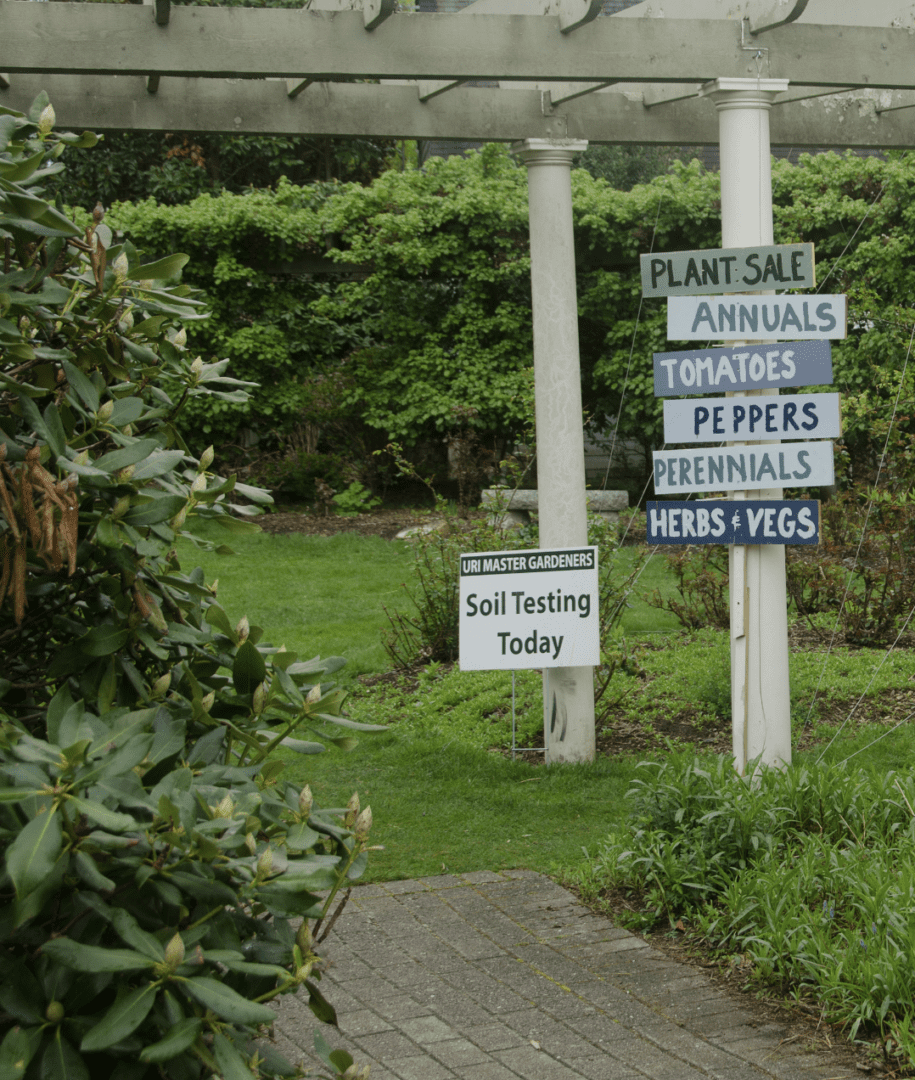
URI Photo / Doug Smith
URI Cooperative Extension delivers science-based educational programs and services to help people in every corner of the Ocean State. The University’s Master Gardeners are leading library workshops across the state this summer on everything from flower pressing to vegetable gardening; see offerings at the Extension website. URI Cooperative Extension also offers online resources for beginning gardeners, with guidance on everything from siting and soil to year-round care, and will open registrations for its Horticulture Certificate and Food Recovery for Rhode Island programs later this summer.
For further advice on planting tomatoes or any kind of plant, or to consult with a URI Master Gardener, contact the URI Gardening and Environmental Hotline at 401-874-4836 or [email protected]. To get on the email list for program announcements, email [email protected] or call (401) 874-2900.
Photo, top: URI Photo / Sejal Lanterman