
Subscribe!
When Home Became the Center of Our Lives
By Nancy Thomas, RINewsToday
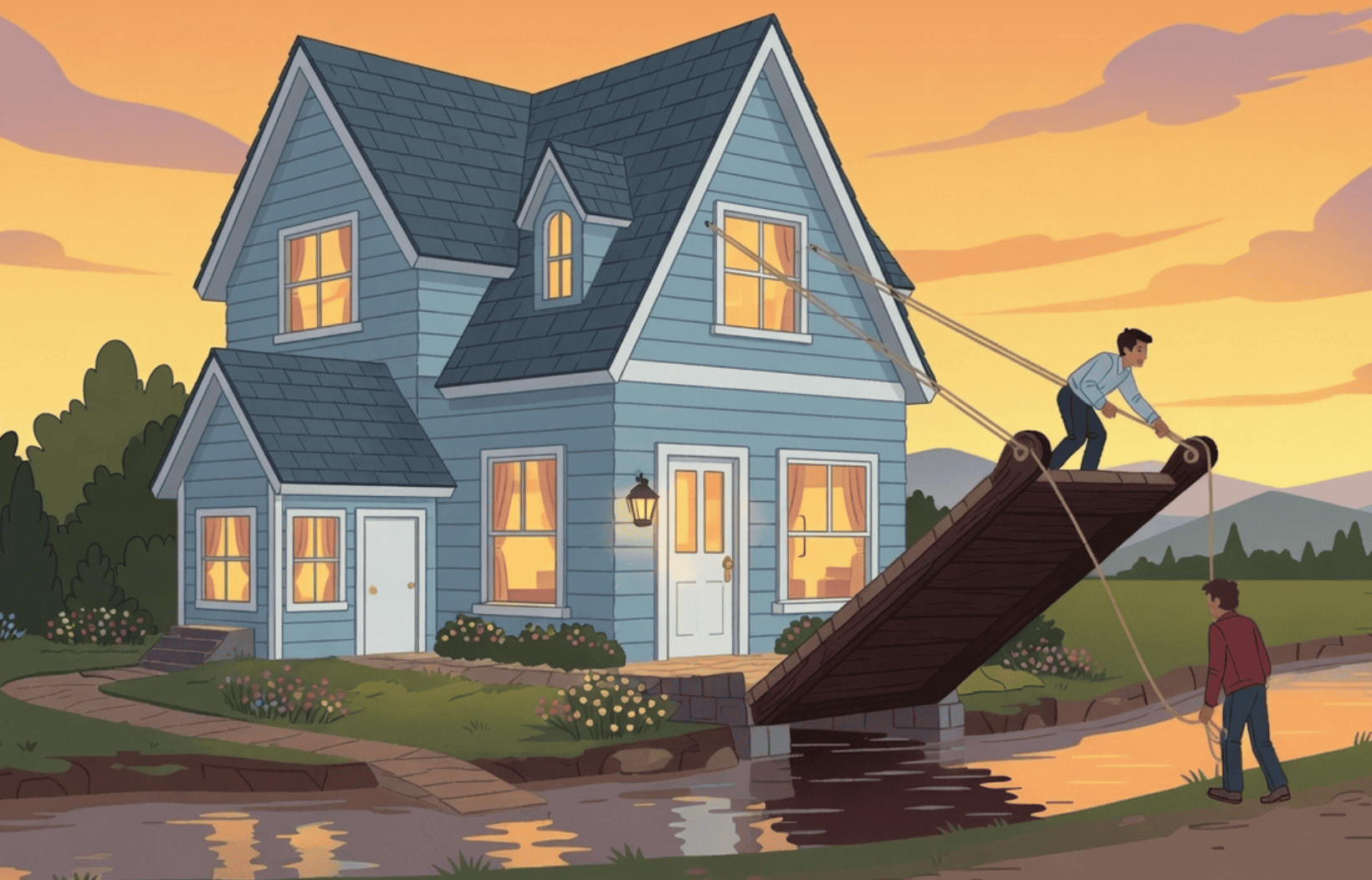
There are moments when change is so gradual that we barely notice it. Then something—a conversation, a statistic, or even a simple image—causes us to stop and look around.
This week it was a Harris Poll examining Generation Z’s weekend habits. Nearly three-quarters of young adults surveyed said they spend at least half of their weekends at home. The reasons varied: rising costs, changing priorities, a preference for quieter, lower-pressure ways to socialize, and a growing emphasis on wellness.
Interesting? Certainly. But after thinking about it for a few days, I began to wonder if the bigger story isn’t Generation Z at all. Perhaps it’s the rest of us.
There was a time when daily life naturally pulled us out of the house.
People stopped at the grocery store on the way home from work. They went to the bank every Friday with their paycheck. They picked up prescriptions, attended city council meetings, browsed bookstores, rented movies, and met friends because there simply wasn’t another way to do those things.
Today, almost every one of those routines has changed.
Groceries arrive at the front door. Restaurant meals appear with a few taps on a phone. Prescriptions are delivered. Banking – even depositing checks – are done online. We stream movies instead of renting them. Even a trip to the local ice rink or municipal pool often ends not with cash changing hands, but with a tap of a credit card or smartphone as cashless is becoming the norm.
Leaving home has quietly become less of a necessity and more of a choice.
Technology began that transformation years ago. Smartphones accelerated it.
Then came COVID.
For months, Americans had little choice but to stay home. Living rooms became offices. Kitchen tables became classrooms. Doctor appointments moved onto computer screens. Families celebrated birthdays on Zoom. Municipal meetings were livestreamed. Businesses learned they could deliver almost everything.
Most of us assumed those changes would be temporary.
Many weren’t.
The pandemic didn’t invent the home-centered lifestyle. It accelerated it, compressing years of technological and cultural change into an extraordinarily short period of time.
Some habits faded.
Many became permanent.
Today, city councils, school committees and other public bodies routinely livestream meetings or make recordings available online. That has opened local government to people who might never have been able to attend in person because of work schedules, mobility issues, transportation challenges or family responsibilities.
The way we participate has changed.
The way we work has changed.
Even the way we dress has changed.
Comfort, once reserved for weekends, has found its way into offices. Athletic wear has become everyday wear. Tailored suits are now paired with pristine white soled “sneakers”. Mr. Wonderful, Kevin O’Leary, made it ok to keep those fancy PJ bottoms on, with a nice jacket and tie when doing podcasts, so, why not for the “rest of us”? Workplace culture has changed in ways that would have seemed unusual not long ago.
None of these changes, by themselves, seem particularly remarkable. Together, they tell a much bigger story.
That doesn’t mean we’ve become antisocial.
Beaches are still crowded on beautiful summer days. But are those cabana problems popping up only about protection from the sun? Or is there a degree of creating one’s own cocoon out in such a public area?
Perhaps that’s also why major concerts, festivals and sporting events continue to thrive. People may be going out less often, but when they do, they increasingly choose experiences that feel memorable, communal and worth leaving home for. Even though meaningful conversation doesn’t happen.
And even Comic Cons have held seminars on the psychological necessity of friendship and not feeling alone – of using the Con world as your family.
Grandparents still delight in taking grandchildren out for an afternoon. Concerts sell out. Stadiums fill. Families gather for birthdays, weddings and holidays.
Perhaps we’ve simply become more selective.
We no longer leave home because that’s just what people do. We increasingly ask whether something is worth leaving home for.
And perhaps that’s the question the Harris Poll was really asking—even if it didn’t say so directly.
Few periods in history have compressed so much change into such a short span of time.
The internet, smartphones, social media, streaming, digital banking, telehealth, remote work, artificial intelligence, and a global pandemic have all reshaped ordinary life in little more than two decades.
No single change transformed America.
Thousands of small ones did.
Perhaps every generation reaches a point where it looks around and realizes the ordinary routines of life have quietly changed. Shopping has been permanently changed by Amazon and on-line options as retailers scramble to adapt. The grocery store isn’t just a grocery store anymore. A city council meeting isn’t simply a room full of people. A workplace isn’t just desks and conference tables. A weekend isn’t necessarily spent going out.
Even home isn’t simply where we return at the end of the day.
Increasingly, it’s where much of life now happens.
Perhaps understanding a changing society is a little like weaving a tapestry. One thread by itself doesn’t tell you very much. But when enough threads begin to intersect, a picture slowly emerges.
The Harris Poll was one thread.
The rest of the picture is still being woven.
As always, feel free to leave your comments, below…
Next Sunday: Another thread in the tapestry—how technology has quietly shifted responsibility from institutions to individuals, from patient portals to self-checkout.
___
 Nancy Thomas is the founder and publisher of RINewsToday. A longtime communications professional, she spent more than three decades in nonprofit public relations before founding Tapestry Communications and later RINewsToday. She writes the publication’s weekly Sunday essay, exploring the people, ideas, and trends shaping everyday life in Rhode Island and beyond.