
Subscribe!
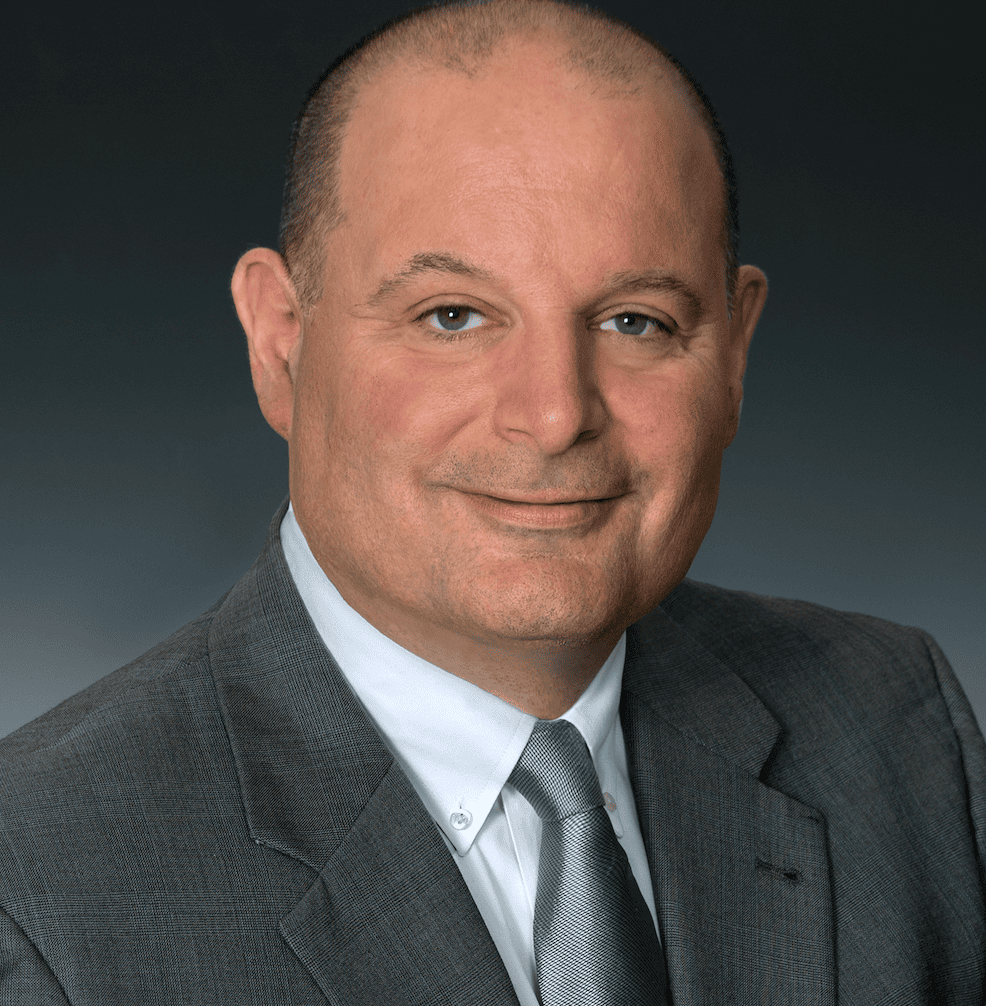
As Memory Fades, Vaccine Hesitancy Grows – Dr. Christopher Ottiano, Neighborhood Health Plan of Rhode Island
Christopher Ottiano, M.D., interim chief medical officer, Neighborhood Health Plan of Rhode Island
Like many people my age, I can laugh at the occasional joke about my ever-shortening memory. A lighthearted look at forgetfulness is harmless. But when it comes to public health, a short memory can have serious consequences.
Few advances in health care have saved more lives than vaccines. I personally would place the science and practice of vaccination in the top two of all health care advancements, alongside the development of antibiotics. From the first crude vaccine in 1796, derived from cowpox to protect against smallpox (the word “vaccine” itself comes from vacca, the Latin word for cow), to the immunizations we rely on today, the mission has remained unchanged: to protect people from diseases that cause the greatest harm.
And yet, both nationally and in Rhode Island, we are seeing a concerning shift away from vaccination. The issue is not the trend itself, but what’s driving it. It’s not grounded in scientific evidence, but in perception. Some no longer view the benefit-to-risk balance, either for themselves or for society, as justification for vaccination, pointing instead to rare complications. While those individual experiences matter, we may be losing sight of the extraordinary toll of death and disability that vaccines have largely eliminated.
We have forgotten that Smallpox killed 300 to 500 million people in the 20th century. We forget Smallpox is now gone from the human experience, thanks to vaccination efforts. We forget that polio raced through the American population with multiple outbreaks – one in 1916 killed 6,000 and paralyzed many more, another in 1952 killed more than 3,000 and paralyzed more than 21,000. We forget how common it was to hear about someone’s life being ravaged by this disease.
However, national data suggest that our collective memory may be fading, as vaccination rates are declining in some parts of the country, particularly for routine childhood immunizations such as MMR, DTaP, polio and varicella.
For example, MMR (measles, mumps and rubella) vaccination among kindergartners in the U.S. fell to 92.5% in 2024/2025, now below the 95% herd immunity threshold, which keeps all citizens safe. It is not a coincidence that in America, we now see pockets of outbreaks. At the same time, vaccine exemptions have reached a record high nationally, at 3.6%. Since 2019, roughly 77% of U.S. counties have seen declines in childhood vaccination rates. Following the COVID-19 pandemic, measles vaccination rates dropped in nearly 80% of all U.S. counties.
We can take pride in knowing that Rhode Island remains one of the highest-performing states for vaccination. Rates have remained consistently strong and often exceed national averages. This is a testament to the strength of our Department of Health, the engagement of our providers and the commitment of parents.
However, as medical director at Neighborhood Health Plan of Rhode Island, I am concerned that Rhode Islanders are beginning to forget. The same downward trends seen nationally are taking hold here. Rather than making continued progress, vaccination rates have started to decline.
This is reflected in our own data. Over the last 12 years, the completion rate of the most common childhood vaccination series, such as the MMR series, has declined from 58.4% in 2014 to 43.4% in 2025. It went down by almost 5% in the last year alone. Likewise, vaccinations that apply to our entire population have also suffered. Flu vaccination rates dropped from 74.2% in 2014 to 20.2% in 2025. Even more concerning is that common preventive screenings are also showing signs of forgetfulness about their importance. The rate of appropriate lead screening for children has declined from 86% in 2012 to 75.8% in 2025.
So much research and education have gone into creating a country where we are able to mitigate the effects of common and severe infections in the lives of our fellow Americans. Without reminders, our memories may continue to grow short. As a physician, a health plan leader, a father, and as an American, I want to remind everyone to take full advantage of the science and technology that vaccines have harnessed for us. Help yourself. Help your family. Help your school. Help your community. Help our country. Vaccinate your children and yourself routinely.
Christopher Ottiano, M.D., is the interim chief medical officer at Neighborhood Health Plan of Rhode Island