
Subscribe!

Outdoors in RI: Holiday Travel, Drought Alert, Public Gardens, Tours, Antique Cars, Strawberries, Fireflies
Outdoors in RI is a smorgasbord of things to do – near and far – young and old – active and less active – so, dig in, review events sent to us and those we dug up, and make your weekend plans – weather is set to be good, too! some events are date specific and happening THIS WEEKEND – some are general ideas of places to go and things to do. Never know when we’ll be struggling to find things to do in the rain – so – jump in – and Discover Beautiful Rhode Island! If you know of events to be included in our Friday column, send them to: [email protected].
FIRST – Rhode Island is in a drought ALERT
A statewide drought watch today, as recommended by the state’s Drought Steering Committee. This comes after issuing a drought advisory last month. This is the first drought watch declared for the State since 2002.
A watch is the second of four progressive drought declarations: 1) advisory, 2) watch, 3) warning, and 4) emergency. The Committee determined that three scientific indices – precipitation, ground water and stream flow levels – met the drought watch criteria across most of Rhode Island.
Residents and businesses can voluntarily conserve water by:
Fixing any leaky faucets and pipes.
Selecting appropriate washing machine and dishwasher load sizes to conserve water.
Shortening your shower by a minute or two.
Hand watering flower and vegetable gardens.
For more ways to save water see EPA’s 100+ Water-Saving Tips.
___
URI Master Gardeners nurture history, and growing knowledge, in sites across the state
The historic Rhode Island village of Chepachet, within the town of Glocester, celebrates its annual, and legendary, Ancients and Horribles Parade every July 4, marking the town’s independent spirit and Revolutionary roots. The annual parade marches by the historic gardens tended by University of Rhode Island Master Gardeners Karen Lambe and Val Begin.
Their gardens are vintage, but there’s nothing horrible about these historic gardens — collectively known as the Glocester Heritage Gardens — that the pair revived and now maintain for the Glocester Heritage Society.
Lambe supervises the development and maintenance of the Job Armstrong Shopkeeper’s Garden (1181 Main St.), which replicates a mid-1800s-era, family-run cottage garden. The other historic garden in town is the Reuben Mason Medicinal Herb Garden (1043 Putnam Pike), supervised by Begin. This garden represents the Revolutionary era and includes medicinal herbs that would have been used in Dr. Reuben Mason’s surgical practice.
“Our goal is to provide as much information about the plants and best gardening practices as we can,” Lambe said. “The Job Armstrong Shopkeeper’s Garden and the Reuben Mason Medicinal Herb Garden are a source of pride for our town.”
History in bloom
When Lambe retired, the former early childhood educator and exhibit developer at the Providence Children’s Museum became a URI Cooperative Extension Master Gardener. She sees the garden as part of both the larger ecology and Chepachet’s unique history.
The properties complement one another and tell important stories about 18th- and 19th-century Rhode Island life. Begin said that Chepachet is an important site for history lessons.
“Our town, as little as it is, played a role in the American Revolution,” said Begin, who taught at Ponaganset Middle School. Today, she tends to the Medicinal Garden and says the plants grown there tell the story of earlier times.
“We want to keep it to the period and keep it interesting,” she said. “Herbs have had many uses over time. In the past, people would use sweet basil for wounds, for instance, or press seeds to get oils for cooking.”
-
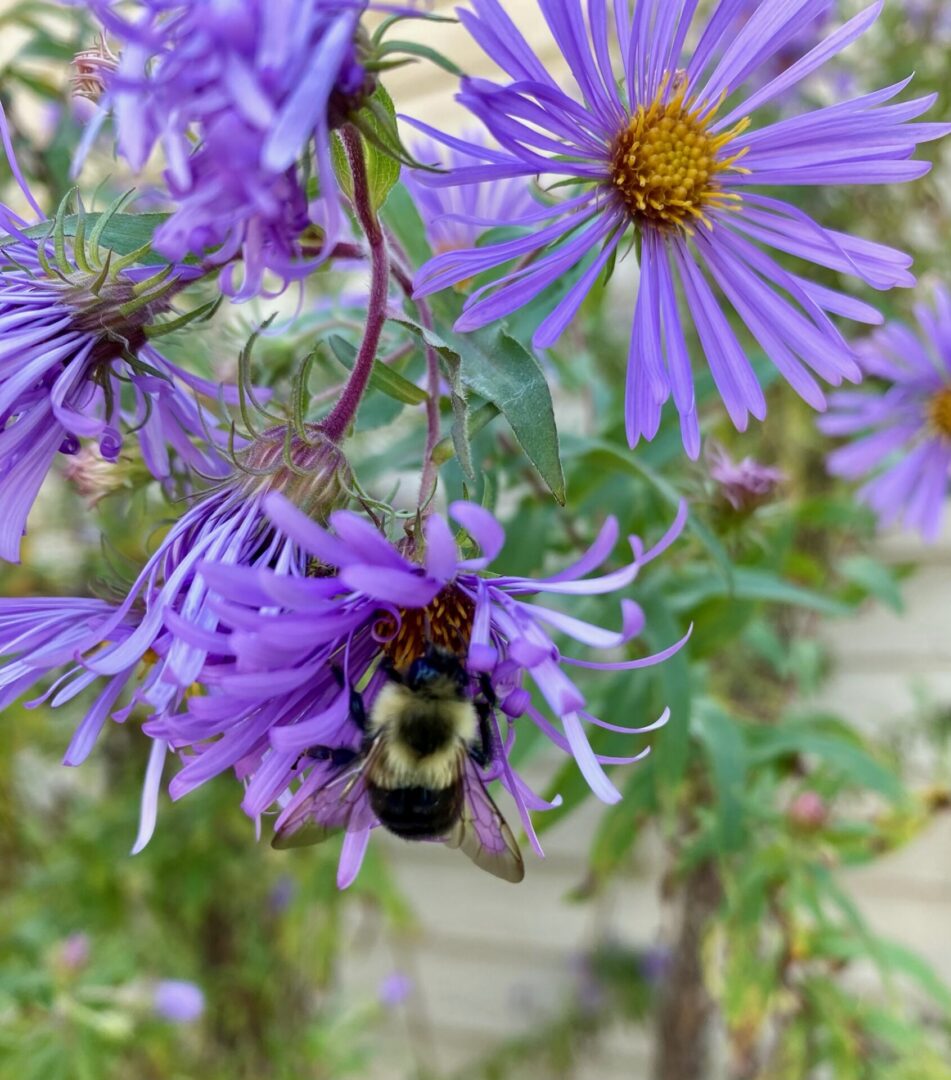
- GLOCESTER GARDENS: Summer’s in bloom in the historic gardens of Chepachet in Glocester, Rhode Island. (Photo / Val Begin)
-
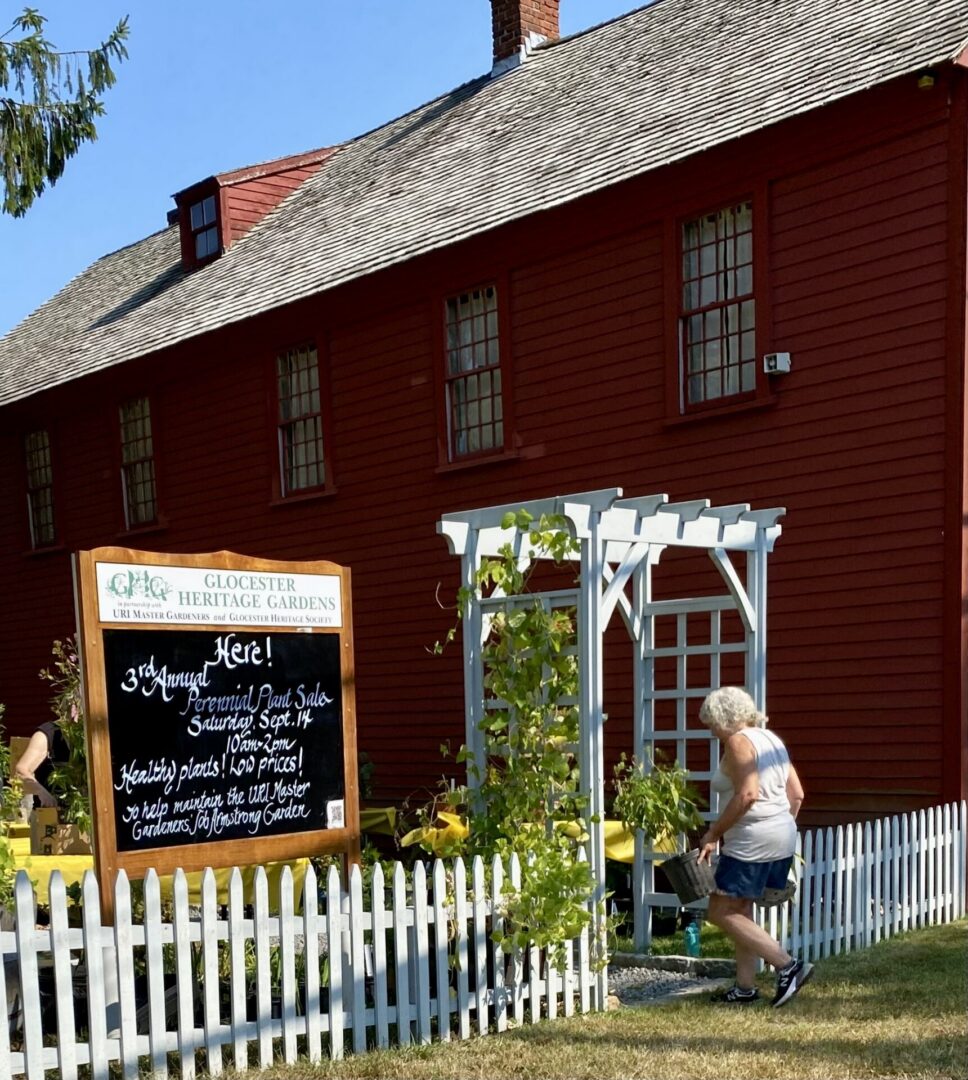
- STOP BY: The Job Armstrong Garden in the historic district of Chepachet offers an educational garden site. (URI Photo / Cooperative Extension)
-
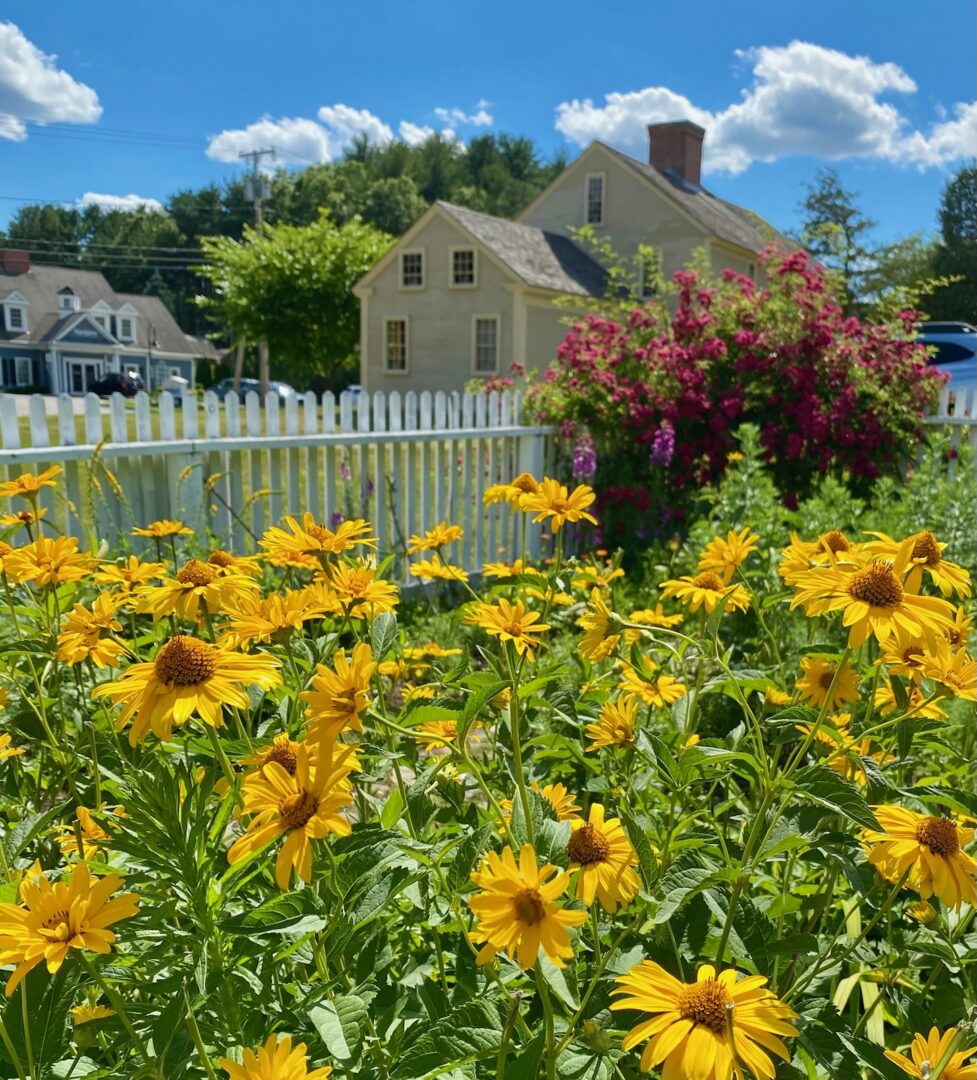
- HISTORY IN BLOOM: Cooperative Extension Master Gardeners tend sites across the state, including the Reuben Mason Medicinal Garden in Glocester, named for a Revolutionary War surgeon who lived there. (Photo / Val Begin)
-
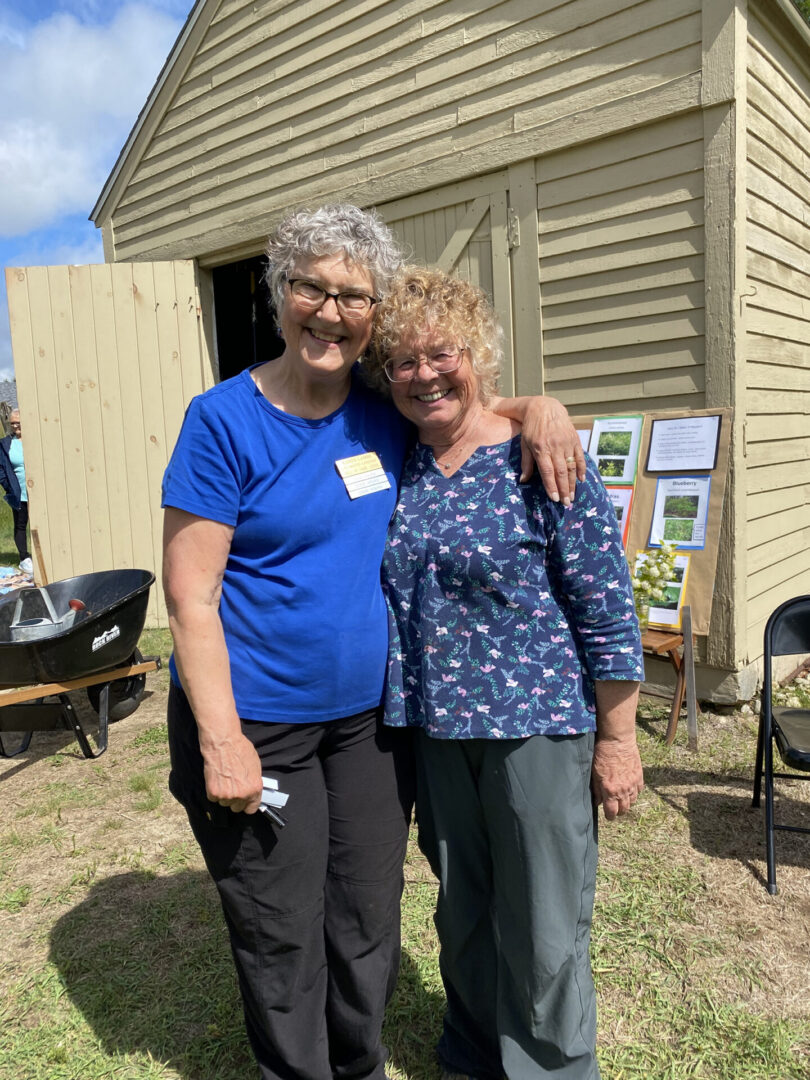
- GARDENING REVOLUTION: URI Master Gardeners Karen Lambe and Val Begin maintain historic gardens in the village of Chepachet, reflecting local history. (URI Photo / Cooperative Extension)
A trip through the past
Chepachet’s center was a thriving commercial area in the 19th century, Lambe said, with Armstrong’s store the busiest and most popular of 13 dry goods and grocery stores in the village at the time.
The properties were eventually assumed by the Glocester Heritage Society, which utilized the URI Master Gardener Program for help with designing, researching, planting, maintaining and educating in the types of plants that would have been used at the historic country doctor’s house and the shopkeeper’s garden in town.
“Conquering the shoulder-high weeds, followed by cardboard, compost and mulch applications throughout was our top priority,” Lambe said of the Armstrong Garden. She counsels new gardeners to not get disheartened by what they’re facing in their own yards. After all, she and her volunteers had to battle through several years of neglect to get the garden site back to where they wanted it.
The Master Gardener team now plants a variety of vegetables there each year, for winter storage (squash, potatoes, beets, beans) as well as for immediate use (lettuce, Swiss chard, tomatoes, eggplant, cucumbers). They donate all of the grown produce to the Glocester Senior Center.
“Since having pretty flowers was also important to people of the era, our team also plants lots of ornamentals,” Lambe said. “Making historically accurate plant choices is a priority.”
The Master Gardener team welcomes the public into the garden at all times, happy to show them around and discover their gardening interests. “Having children visit and pick a vegetable is especially gratifying!” Lambe said.
The Armstrong Shopkeeper’s garden is set back from the street. A street side “blackboard” sign designed and built by fellow Master Gardener Rudi Hempe allows them to publicize special events and to answer gardening questions when they are available. They also regularly welcome Master Gardener, and seed expert, Sue Scotti for seed-starting workshops.
Lambe says that these historic gardens, and others around the state, can teach Rhode Islanders more about the state’s founding and roots. While Rhode Island celebrates the 250th anniversary of the signing of the Declaration of Independence this summer, she hopes paradegoers will visit the gardens and think about how earlier generations of Rhode Islanders nourished themselves and their families and neighbors.
“By preserving and interpreting these gardens, we’re creating living classrooms where people can reflect on our shared history and consider how past practices still shape our lives today,” said Matt Durham, a URI Cooperative Extension program leader.
Master Gardeners support gardens at other historical sites in Rhode Island, including:
- Slater Mill Pollinator Garden, Blackstone River Valley National Historical Park, Pawtucket
- Pettaquamscutt Community Garden at Canonchet Farm, Narragansett
- John Hunt House Heritage Gardens, East Providence
- Smith’s Castle Historic Gardens, North Kingstown
Three Rhode Island Master Gardener sites are also now part of the program’s alumni network: the Historic Varnum House Preservation Gardens in East Greenwich, which hosted George Washington and other Revolutionary War heroes; Prescott Farm in Middletown, an important Revolutionary site; and the Mount Hope Farm in Bristol, on the National Register of Historic Places.
Visit the Cooperative Extension website to learn more about URI Master Gardeners and other programs. To get on the Cooperative Extension email list for future programs, email [email protected] or call (401) 874 -2900.
___
Annual Strawberry Shortcake Social – SUNDAY, June 28th

Farmers market to celebrate the beloved strawberry. 10am. Tiverton Town Farm Recreation Complex, 3460 Main Rd, Tiverton. tivertonfarmersmarket.com
The Tiverton Farmers Market’s Annual Strawberry Shortcake Social on Sunday, June 28th, from 10 AM to 2 PM, and kick off the summer with a celebration of the beloved strawberry!
Here’s a (map)!
Indulge in the sweet, juicy flavors of fresh strawberries with our signature strawberry shortcake bowls, generously topped with luscious, whipped cream, available for purchase at our market table. But that’s just the beginning! Explore an irresistible selection from our talented vendors, featuring strawberry cupcakes, scones, tarts, refreshing strawberry basil margarita mocktails, and even strawberry popcorn.
A Strawberry Social will be hosted at the Tiverton Town Farm Recreational Area, located at 3588 Main Road, Rt. 77. Immerse yourself in the lively ambiance, enhanced by the sounds of live music. Added fun: be sure to wear your best strawberry outfit.
This event is free and open to the public! Plenty of free parking in the back lots; just follow the signs. Should we reach capacity, overflow parking is available in the north lot near the playground. For further details on upcoming events, our weekly Sunday Market vendor lineup, and more, please visit our website at www.tivertonfarmersmarket.com.
___
Newport’s 42nd Anniversary June Secret Garden Tour – “On The Point” – June 26th-28th
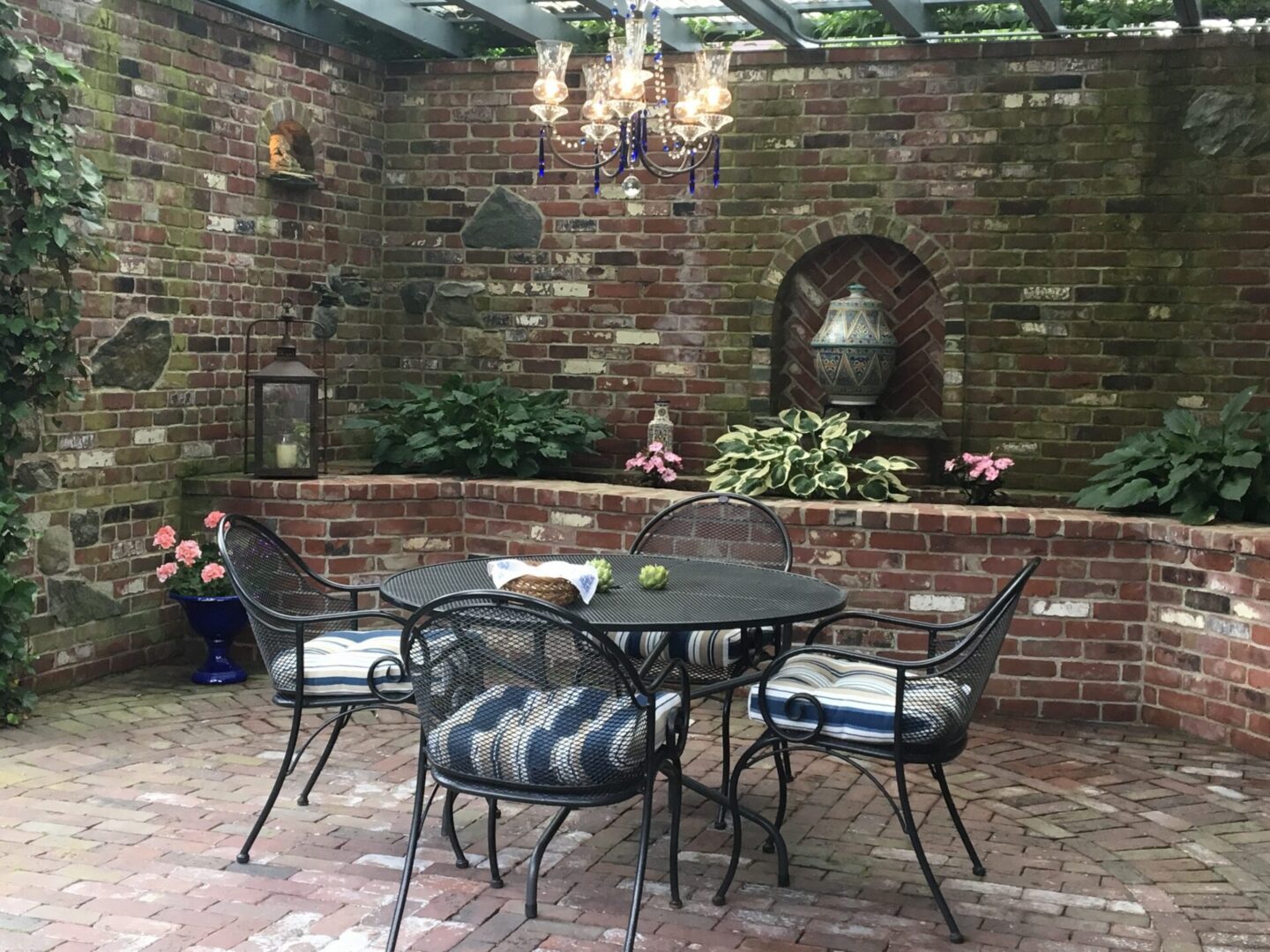
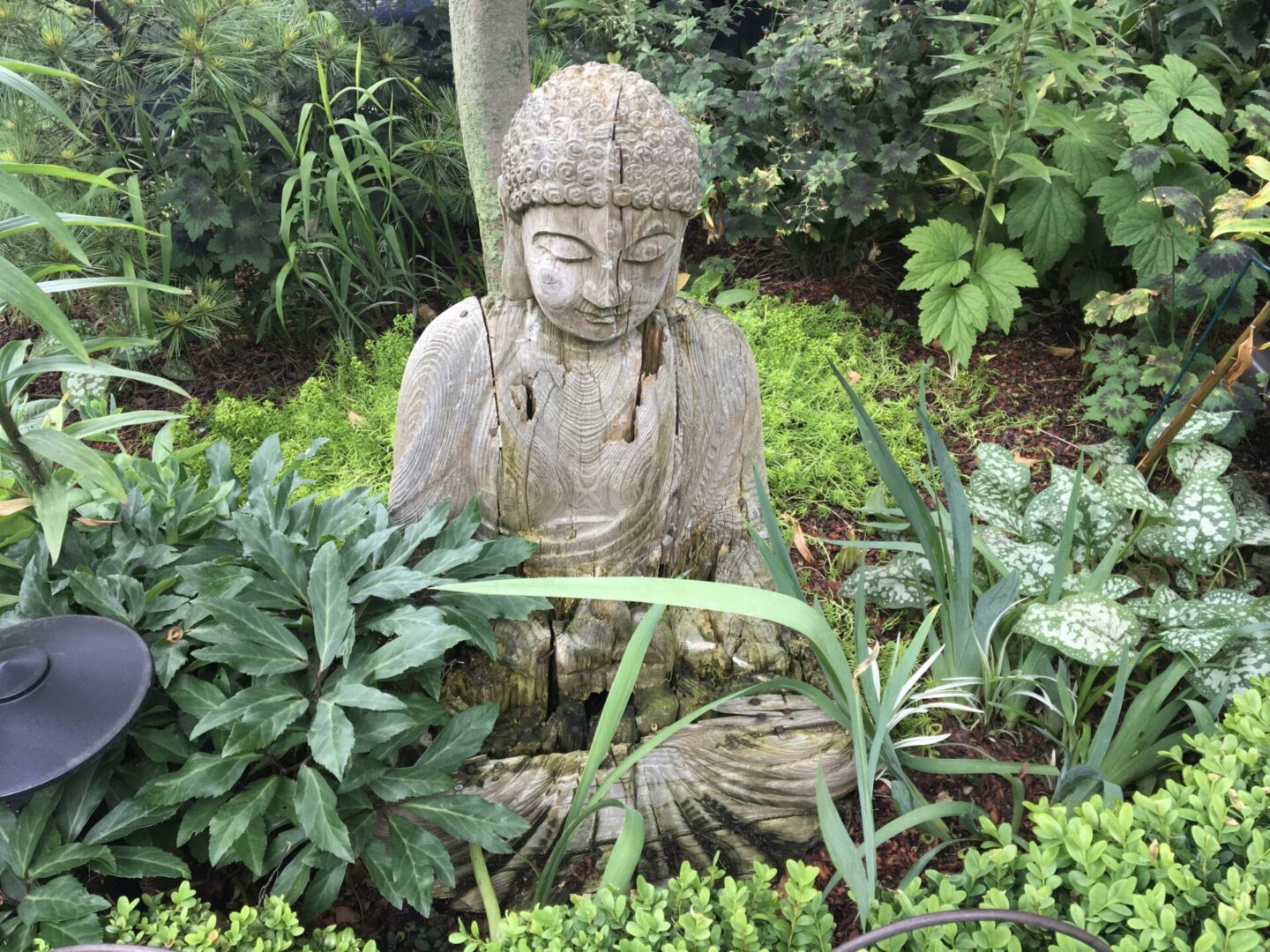
Self-guided walking tours of private gardens located in historic Newport, Rhode Island. Take an early Summer tour of some unique, delightful and personal gardens. The 42nd Anniversary of the annual Secret Garden Tour opens the gates to a variety of beautiful gardens maintained by their owners. These genuine labors of love are shared with the community to help raise funds for the Arts Education programs in the Island’s public schools. Starting at Storer Park near the causeway to Goat Island, this year’s tour features fourteen gardens including returning favorites and new discoveries that are bound to delight the garden enthusiast.
The tours run daily from 10 a.m. until 4 p.m. and tickets are only good for the day purchased. In Spring 2014, Conde Nast Traveler Magazine named Newport, Rhode Island “one of the best walking cities in the U.S.” and specifically mentioned the June Secret Garden Tour through the city’s historic Point section as one of the highlights.
Tickets are available for the June 2026 Tour and can be purchased in advance online at www.secretgardentours.org for a discounted rate of $35. If tickets are still available, they may also be purchased at Storer Park, 32 Washington Street on the day of the tour for $40.
Since 1984, The Secret Garden Tour has given more than $1 million to Aquidneck Island students in public schools for cultural programs and the arts. For additional information, be sure to visit the website.
___
BofA Free Family Fun Day @ Audubon Nature Center and Aquarium, Bristol – Saturday, June 27th
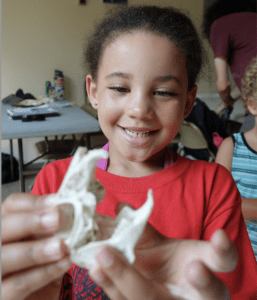
Thanks to Bank of America, the Audubon Nature Center and Aquarium is open free to the public for Free Family Fun Day one Saturday each month. 1401 Hopes Street, Bristol, RI. No need to register, all programs are offered free of charge.
Bank of America Free Family Fun Day – June – Eco-engineers
Audubon Nature Center and Aquarium – June 27, 2026; 10:00am-3:00pm
Miscellaneous Activities:
10:00am-3:00pm: Craft Table & Tinker Table
10:00am-3:00pm: Eco-Engineers Matching Game – Explore the world of eco-engineers at this hands-on discovery table! Get up close with real animal biofacts, match them to their mystery animal, and learn how these species shape and transform their environment!
10:00am: Nature Story
11:00am & 2:30pm: Animal Interviews
1:00pm: Nest Building Activity – Test your building skills in this hands-on activity! Learn how wildlife uses natural and manmade materials to build nests. Then build like birds and try your hand at building a nest that can protect an egg!
___
Sakonnet Vineyard to Host Music and Ray Helger Memorial Antique Car Show on Saturday (music) and Sunday (car show and music)
Sakonnet Vineyard Memorial Antique Car Show honoring the life and legacy of local legend Ray “Pops” Helger at the vineyard on Sunday, June 28, from 8am to 2pm. Helger was a beloved auto enthusiast, veteran, and local legend in Little Compton, Rhode Island. He ran the famous Helger Bros. Speed Shop alongside his son Ray, building a legacy for restoring and collecting classic, antique, and drag-racing cars.

This event invites car lovers and enthusiasts to enjoy a stunning display of vehicles, engaging conversation, and scenic vineyard views. Guests can enjoy classic and antique cars, food, live music and a silent auction.
Sakonnet Vineyard is at 162 W. Main Road in Little Compton, RI
Admission is free with a non-perishable food donation to the Little Compton Food Bank – Reservations are not required. Wine and food will be available for purchase.
About Sakonnet Vineyard:
Founded in 1975, Sakonnet Vineyard is New England’s oldest vineyard and a pioneer of the Southeastern New England AVA. Set on 169 scenic acres in Little Compton, Rhode Island, with more than 20 acres under vine, Sakonnet produces award-winning wines shaped by the region’s coastal climate.
___
Revive the Roots in Smithfield – FRIDAY NIGHT – TONIGHT
Did you know about Revive the Roots? They provide workshops and event through out the year. They also coordinate with community members and partners to provide place to explore and learn in nature.
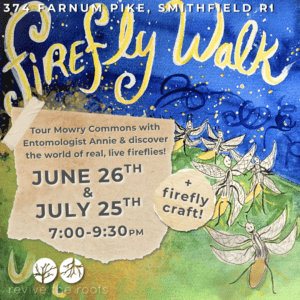
Take a look at what’s coming up this season! There’s even a Firefly event TONIGHT!
Join us for a magical summer evening exploring the glowing world of fireflies at Revive the Roots! As dusk settles over the land, we’ll gather to learn about these fascinating insects and experience their twinkling light show in the fields and forest edges. 🪰
Check them out – and all their offerings – what a find!!
https://www.revivetheroots.org
They are located at: 374 Farnum Pike
Smithfield, RI 02914 – (401) 305-0539
___
Burlingame State Campground Opens for the Season
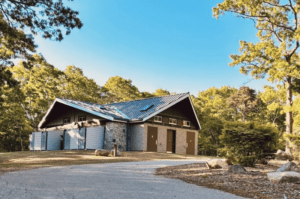
The Rhode Island Department of Environmental Management (DEM) announces the completion of three new shower and restroom facilities at Burlingame State Campground in Charlestown. Reservations are open for the 2026 season through Reserve America
Phase One of the project brings exciting upgrades to the Midpark North, Fish Camp and Mills Camp sections of the campground with the addition of three modern restroom and shower facilities. Designed to enhance visitor comfort and accessibility, the new buildings are ADA-compliant and feature new septic systems, indoor/outdoor coin-operated hot water showers, energy-efficient lighting, and durable, water-conserving plumbing fixtures. The $18M project is funded primarily through the voter-approved 2021 Beach, Clean Water, and Green Economy Bond, along with $2M federal grant. Construction is expected to be fully completed in April 2027.
As with last season, fewer campsites will be available for reservation while the second phase of the project begins. For safety reasons, the campground beach will be closed this season because it is within the active construction area for the Main Camp shower and restroom project. We know this may be disappointing, but there are many nearby options where campers can enjoy the water. The Burlingame State Picnic Area and Ninigret Park, which is managed by the Town of Charlestown, are both just a short drive from the campground and offer wonderful alternative spots for swimming. DEM appreciates campers’ patience as we work to enhance Burlingame’s amenities.
Before reserving a campsite, review this map, to identify available sites and their proximity to active construction areas. Campers near construction zones may experience increased noise, traffic, and temporary disruptions. Construction is scheduled weekdays from 7 AM – 5 PM; no work is anticipated on weekends and holidays. Book your stay at riparks.ri.gov/campgrounds.
First opened in 1934, Burlingame is one of Rhode Island’s first campgrounds. Located next to Watchaug Pond in Charlestown, Burlingame State Campground covers 3,100 acres and is one of the biggest campgrounds in the eastern United States.
___
AAA: 72.2 Million Americans Expected to Travel Over July Fourth Week


-
Drive sober: Nearly one in three summertime traffic deaths involves an impaired driver, according to a AAA crash data analysis. AAA, in partnership with Mothers Against Drunk Driving (MADD), reminds anyone who plans to drink or use impairing substances to arrange a sober ride before going out.
-
Slow Down, Move Over: Drivers play a huge role in preventing tragedies by reducing speed and changing lanes whenever they approach a vehicle on the side of the road.
-
Don’t skip car maintenance: Last year during Independence Day week, AAA responded to more than 687,000 roadside assistance calls. Half of those required towing services, and nearly 30% of those calls were for battery replacement and flat tires. Stay on top of routine oil changes, plus check battery condition and tire pressure before hitting the road.

|
Ranking
|
Domestic
|
International
|
|
1
|
Seattle, WA
|
Vancouver, Canada
|
|
2
|
Orlando, FL
|
Rome, Italy
|
|
3
|
Anchorage, AK
|
Dublin, Ireland
|
|
4
|
Miami, FL
|
Paris, France
|
|
5
|
New York City
|
London, England
|
|
6
|
Chicago, IL
|
Calgary, Canada
|
|
7
|
Fort Lauderdale, FL
|
Reykjavik, Iceland
|
|
8
|
Fairbanks, AK
|
Amsterdam, the Netherlands
|
|
9
|
Denver, CO
|
Athens, Greece
|
|
10
|
Boston, MA
|
Barcelona, Spain
|
|
Best and Worst Times to Travel by Car
|
||
|
Date
|
Worst Travel Time
|
Best Travel Time
|
|
Saturday, June 27
|
12 to 5 p.m.
|
Before 10 a.m.
|
|
Sunday, June 28
|
2 to 4 p.m.
|
Before 11 a.m.
|
|
Monday, June 29
|
2 to 6 p.m.
|
Before 12 p.m.
|
|
Tuesday, June 30
|
3 to 6 p.m.
|
Before 2 p.m.
|
|
Wednesday, July 1
|
12 to 9 p.m.
|
Before 12 p.m.
|
|
Thursday, July 2
|
2 to 6 p.m.
|
Before 12 p.m.
|
|
Friday, July 3
|
12 to 7 p.m.
|
Before 11 a.m.
|
|
Saturday, July 4
|
10 a.m. to 2 p.m.
|
After 3 p.m.
|
|
Sunday, July 5
|
12 p.m. to 6 p.m.
|
Before 11 a.m.
|
URI researcher studies an overlooked tree’s secret life – the Black Cherry Tree
By studying pollinators high in the forest canopy, URI Ph.D. researcher Ren Johnson hopes to answer long-standing questions about black cherry trees and their role in Northeastern forests
-
- By studying pollinators high in the canopy, Johnson hopes to answer long-standing questions about black cherry trees and their role in Northeastern forests.
-
- URI researchers Chloe Dyehouse, Ren Johnson, and Alyssa Kruger are studying the secret life of black cherry trees. (URI Photos / Anna Gray)
-
- URI researchers catch insects to identify which species are interacting with black cherry blossoms.
Despite being one of the most common forest trees along the East Coast, the black cherry’s reproductive biology remains surprisingly understudied. Primarily valued for its wood, much of what scientists know about its pollinators comes from research conducted more than 60 years ago.
Ren Johnson, a Ph.D. student in biological sciences at the University of Rhode Island working alongside Professor of Biological Sciences Evan Preisser in URI’s Preisser Lab, is using canopy surveys, pollinator trapping, and experimental studies to investigate how black cherry trees are pollinated and whether they can reproduce without insect visitors.
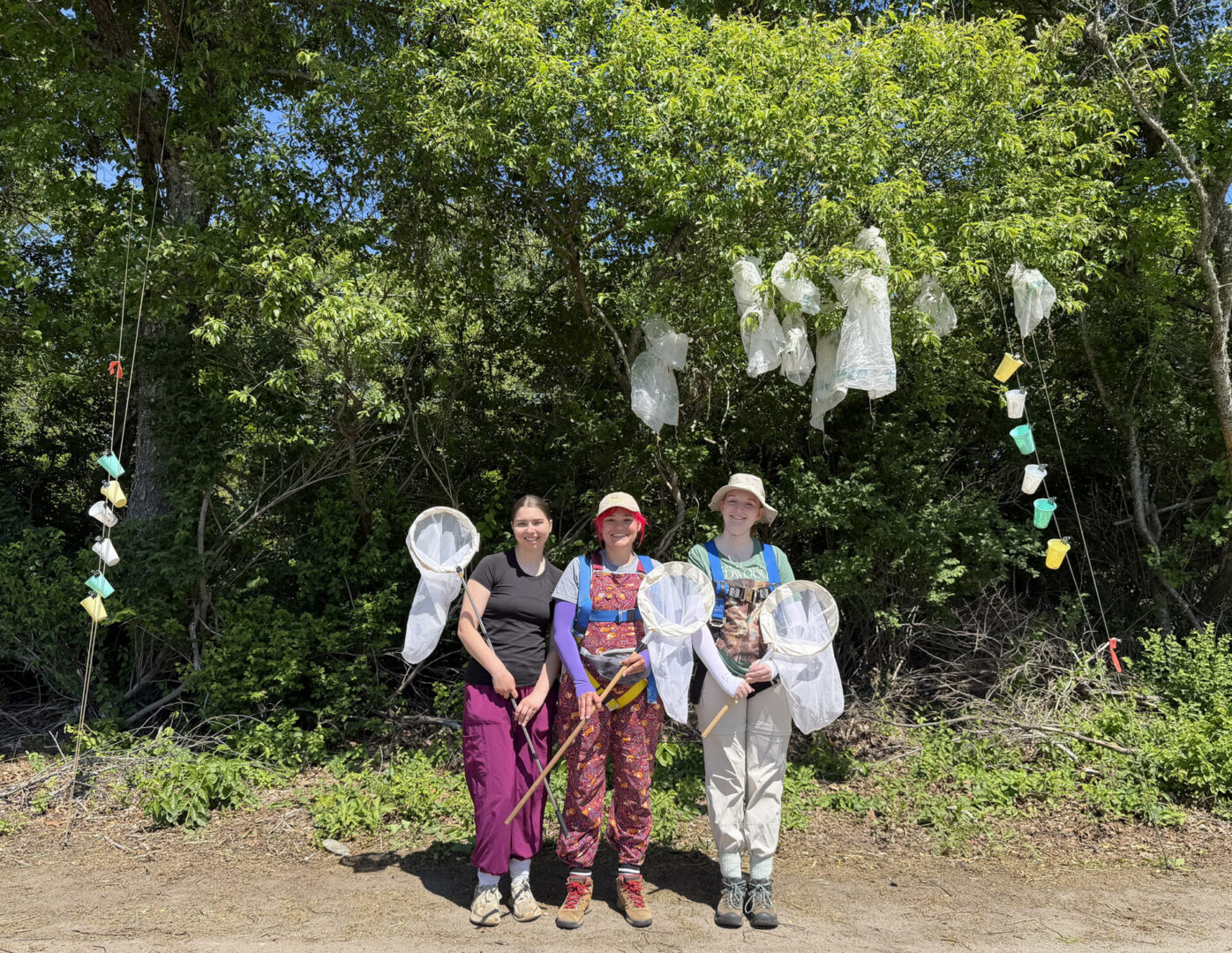
This summer Johnson is joined by Alyssa Kruger, a CELS Summer Research Fellow and double major in molecular biology and wildlife conservation biology at URI, as well as Chloe Dyehouse, a Smith College student who is working on the project as an NSF EPSCoR SURF research fellow.
The last tree to bloom
Black cherry is one of the last trees in Northeastern forests to flower, and that timing raises an intriguing question. While bees are still present in forests, many tend to forage in meadows and other open habitats once the tree canopy closes and flowering plants become scarce on the forest floor.
Understanding which insects visit these flowers and whether those visits are enough to support reproduction could help researchers better understand the ecology of both black cherry trees and native pollinators.
Johnson and her team redesigned earlier experiments — some of the only published work on black cherry pollination — using bagged and unbagged branches distributed throughout the canopy. Some treatments exclude insects and wind-blown pollen, while others serve as controls, allowing researchers to compare fruit production at the end of the season.
Taking research to the canopy
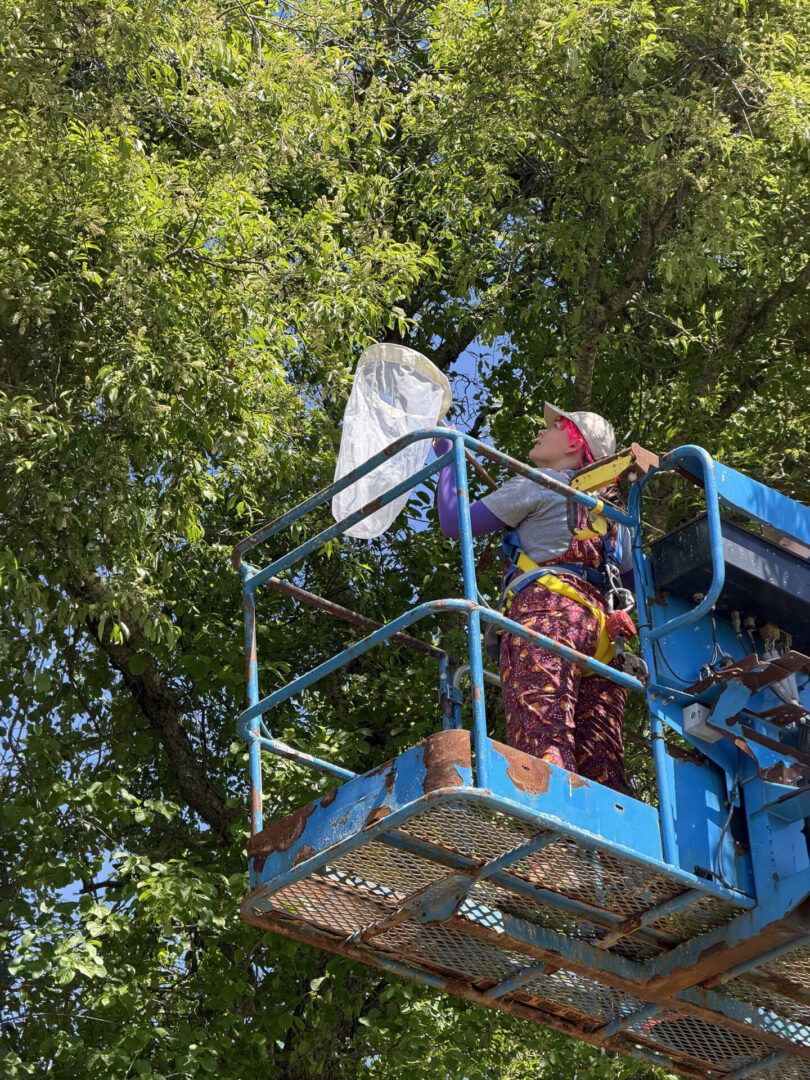
The work takes Johnson and her team nearly 30 feet in the air. With assistance from the University’s facilities department, the research team rented a boom lift for the flowering season. Johnson, who is now certified to operate the equipment, moves the lift from tree to tree to observe pollinators directly in the canopy.
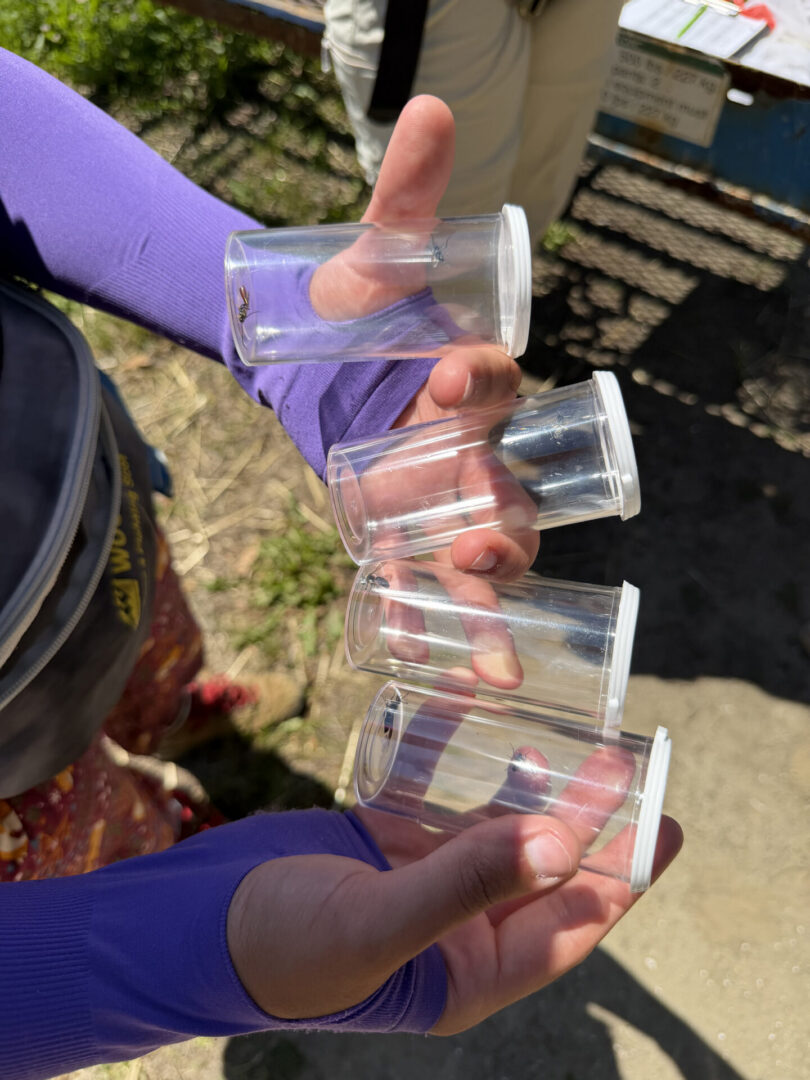
The elevated vantage point allows the team to catch insects visiting flowers with hand nets and identify which species are actively interacting with black cherry blossoms.
At the same time, a researcher on the ground is surveying pollinators at lower heights, so conditions match across canopy and understory.
The project relies on a simple but effective tool: painted Solo cups filled with soapy water and suspended at different heights in the forest. The brightly colored cups act as pan traps, capturing insects over a 24-hour period. After collection, specimens are preserved and identified in the lab.
Combined with direct observations, the traps help researchers distinguish between insects present in the canopy and those likely interacting with black cherry flowers. “Just because something went in this yellow cup doesn’t mean it was going to visit the black cherry,” Johnson noted.
Implications for forest health
The findings could have implications beyond basic ecology. The black cherry reproduces both through seeds and vegetative sprouting from cut stumps. While sprouting allows existing trees to persist, seed production is essential for colonizing new areas.
“If they are doing all their reproduction vegetatively, it means they probably can’t colonize new places quickly,” Johnson said. “And then what does that mean for regrowing forests?”
Johnson plans to continue the research next year, completing the two field seasons typically needed for publication. The study could help scientists better understand both black cherry reproduction and how pollinators use forest canopies during a critical period of the growing season.
For Johnson, the work has deepened her appreciation for a tree that often goes unnoticed. “Black cherry is a labor of love,” she said.
Wondering how to spot a black cherry tree in your backyard? If you have woods behind your house, there’s a good chance black cherry is already there! On older trees, the bark looks dark and flaky, often described as looking like “burnt cornflakes.” Leaves are simple, oval, and grow alternately along the twig. In spring, look for small pink “stipules” (tiny leaf-like structures) at the base of the leaves; they’re especially noticeable early in the season. In late May or early June, black cherry produces dangling clusters of small white flowers high in the canopy. It’s one of the last canopy trees to bloom, flowering after maples and oaks have already finished. (Caution: poison ivy often grows nearby at the base of these trees.)
This story was written by Anna Gray in the College of the Environment and Life Sciences.