
Subscribe!
Older Adults Play Key Role as Volunteers in Their Communities – Herb Weiss
By Herb Weiss, contributing writer
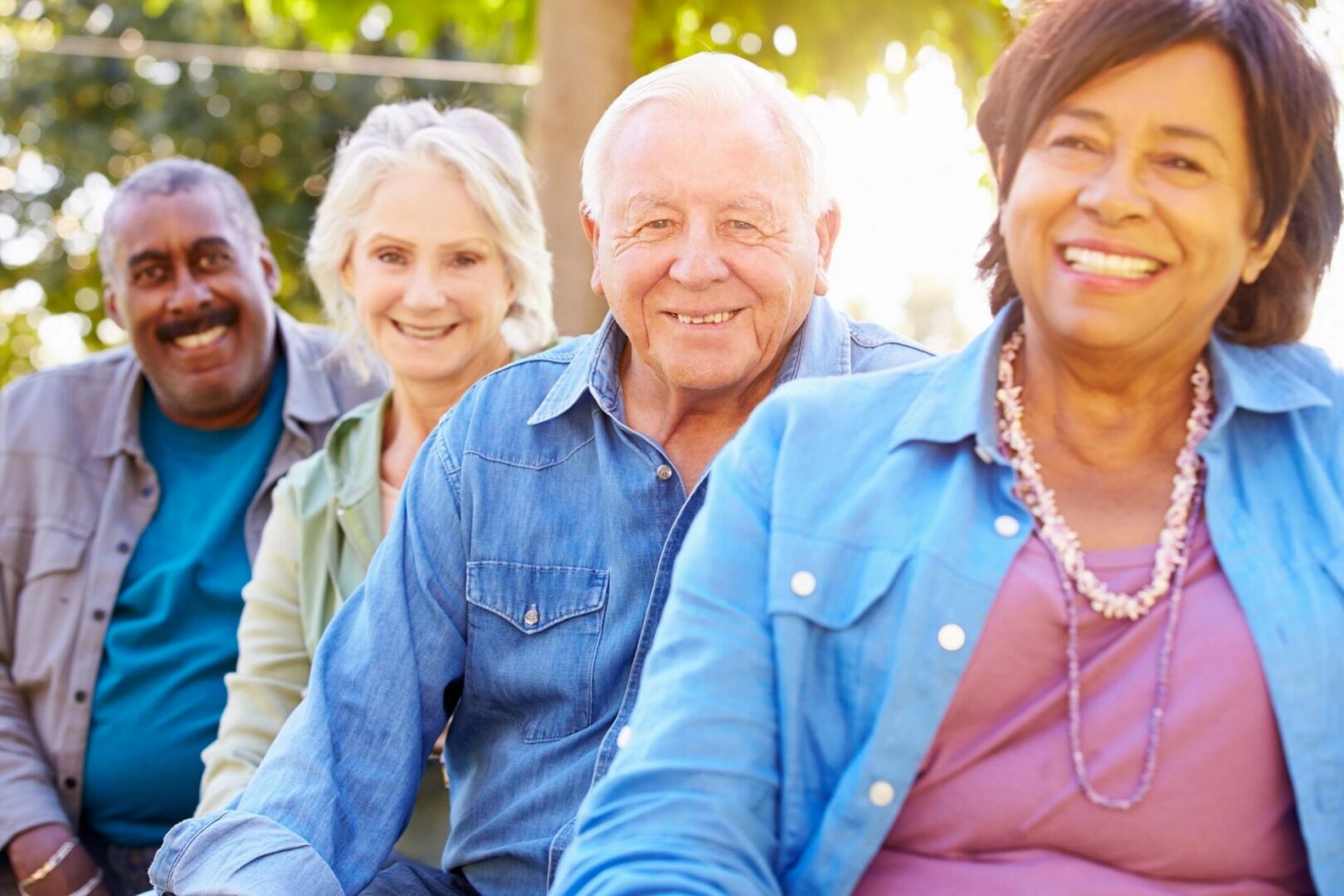
Being a volunteer can be good for your health and mental well-being, but AARP Foundation’s newly released analysis sheds light on another positive. People age 50 and older contribute more than half — 55% — of all volunteer hours, adding approximately $92.2 billion annually to the nation’s economy.
As the nation marked the 9/11 Day of Service and Remembrance (a day every year that thousands of people and organizations nationwide volunteer and “do good” in recognition of 9/11), the latest analysis of the U.S. Census Bureau Current Population Survey Civic Engagement and Volunteering Supplement helps us to better understand how older Americans contribute as volunteers and participate in the nation’s civic life.
The data show that older volunteers help build the social fabric of their communities while providing critical support to organizations working to meet their missions and operational needs.
The findings, detailed in “Older Adult Volunteers: A Pillar of Community and Civic Life,” show that older adults do not just volunteer in large numbers. They also show up consistently and contribute more time, providing the reliable support that schools, nonprofits, and caregiving networks depend on.
The eight-page analysis also casts doubt on the idea that volunteering is mainly limited to retirement; it shows that adults aged 50 to 64 volunteer at rates similar to those of adults aged 65 and older.
The analysis also questions the idea that volunteering is mostly limited to retirement years; it shows that the rate at which adults ages 50 and 64 volunteer is similar to that of adults who are 65 years of age and over.
“Older adults are an extraordinary force for good in our communities,” said AARP Foundation President Claire Casey in a Sept. 10 statement announcing the study’s results. “They put a lifetime of skills and experience to work for others, benefiting all of us by making our neighborhoods and communities stronger and more connected.”
According to the AARP Foundation, older adults contribute substantially to volunteerism because they volunteer in greater numbers and spend more time volunteering. While adults age 50 and older make up just 36% of the U.S. population, they account for 44% of the nation’s volunteers.
They also contribute an average of 89 volunteer hours annually, compared with 56 hours among volunteers under age 50 — 33 additional hours each year. Nearly three-quarters (73%) volunteer at least once a month, compared with 63% of younger volunteers.
Volunteerism Enhances Civic Participation
Adults age 50 and older who volunteer are more likely than the overall 50-plus population to vote (79% compared with 61%) and to belong to civic groups or associations (67% compared with 29%).
Older volunteers also tend to stay connected with their neighbors, families and friends. More than 37% regularly discuss politics with neighbors, and 71% do so with family or friends. Sixty-seven percent follow the news daily.
The analysis also found that 90% of volunteers age 50 and older socialize with their neighbors (compared to 77% overall), and 80% do so at least once a month. Fifty-seven percent regularly do favors for their neighbors, compared with 41% overall.
The findings show that older adults who volunteer are not just giving their time to organizations and helping their neighbors. Many are also staying involved in the civic life of their communities.
Volunteerism’s Impact on Health and Well-Being
Research also shows that volunteering may benefit older adults’ health
A 2013 Carnegie Mellon University study found that older adults who volunteered at least 200 hours per year were 40% less likely to develop hypertension, or high blood pressure, than those who did not volunteer when evaluated four years later.
For the study, researchers followed 1,164 adults ages 51 to 91 from across the nation. All had normal blood pressure when first interviewed in 2006. When researchers interviewed them again four years later, they found that the specific type of volunteer activity did not matter. The amount of time spent volunteering did, with 40% less likely to develop high blood pressure.
“As people get older, social transitions like retirement, bereavement and the departure of children from the home often leave older adults with fewer natural opportunities for social interaction,” said lead researcher Rodlescia S. Sneed in a statement releasing the findings of this study. She noted that volunteering may provide older adults with social connections they might not otherwise have
More recent research suggests that helping others may also slow cognitive decline.
A study reported on ScienceDaily’s website in December of 2025, found that helping others just a few hours each week may slow brain aging. Researchers from the University of Texas at Austin and the University of Massachusetts Boston followed more than 30,000 adults in the U.S. over two decades.
The researchers found that people who consistently helped others outside their household experienced a 15% to 20% slower rate of age-related cognitive decline. The benefits were found both among those who formally volunteered and those who helped informally, such as giving someone a ride to a medical appointment, watching children, or doing lawn work for a neighbor, relative, or friend.
The strongest and most consistent benefit was found among those who spent about two to four hours per week helping others.
“Everyday acts of support — whether organized or personal — can have lasting cognitive impact,” said Sae Hwang Han, an assistant professor of human development and family sciences at the University of Texas at Austin who led the study.
Han noted that the cognitive benefits were not just short-term, but accumulated over time with continued involvement. The benefits were also found with both formal volunteering and informal helping.
“Informal helping is sometimes assumed to offer fewer health benefits due to its lack of social recognition,” Han said. “It was a pleasant surprise to find that it provides cognitive benefits comparable to formal volunteering.”
Finding Volunteer Opportunities in Rhode Island
According to the state’s Office of Healthy Aging (OHA), about 65,000 volunteers age 55 and older in Rhode Island contribute $149 million in services across the state.
To learn more about opportunities, older Rhode Islanders can find opportunities across the state on OHA’s online volunteer resource page. Go to Volunteer | Office of Healthy Aging.
To read more articles by Herb Weiss, go HERE!

Herb Weiss, LRI, 12, is a Pawtucket-based writer who has covered aging, healthcare, and medical issues for more than 45 years. To purchase his books, Taking Charge: Collected Stories on Aging Boldly and its two sequels, visit herbweiss.com.
