
Subscribe!
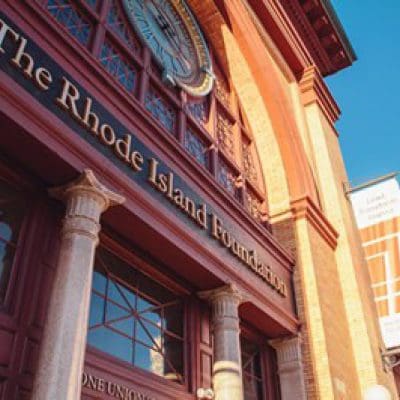
Rhode Island Foundation Awards Seed Funding for 26 Medical Research Projects
by RINewsToday News Team
The Rhode Island Foundation has awarded nearly $650,000 in seed funding to 26 medical research projects across Rhode Island, supporting studies that range from improving adherence to GLP-1 weight loss medications to reducing postpartum depression and developing artificial intelligence tools to diagnose breast cancer more accurately.
The grants are designed primarily to help emerging researchers advance early-stage projects to the point where they can compete for larger national funding opportunities.
“Through the generosity of our donors, we are able to provide the crucial seed funding that enables local researchers to pursue promising medical advances,” said David N. Cicilline, president and CEO of the Rhode Island Foundation. “Although the grants are relatively modest, they can lead to major discoveries that attract substantial new investment to Rhode Island’s research sector while helping to build healthier communities across our state.”
Eligible projects included laboratory, clinical, and population-based research. Funding was available for studies involving infectious diseases, cardiac and coronary conditions, cancer, diabetes, multiple sclerosis, arthritis, allergies, cerebral accidents, and performance-enhancing substances.
Among the grants awarded:
The University of Rhode Island received $25,000 to develop improved artificial intelligence systems designed to help physicians diagnose breast cancer by identifying and correcting hidden flaws in existing AI models.
“AI models are very powerful predictors but are also prone to hidden errors,” said Alina Jade Barnett, assistant professor in URI’s Department of Computer Science and Statistics. “One way we can make these systems safer is to design AI that can explain its reasoning. If we understand how the AI reaches its decisions, we can recognize when it is making a mistake.”
Barnett noted that an AI model could potentially make faulty assumptions — such as relying on patient age rather than analyzing cancerous tissue itself.
The Miriam Hospital also received $25,000 to study how to better support adults using GLP-1-based weight loss medications. Researchers will examine why many patients discontinue treatment and explore strategies to improve long-term adherence.
Current estimates suggest that between 50% and 70% of patients stop GLP-1 treatment within a year. Researchers cite barriers including insurance coverage loss, high costs, gastrointestinal side effects, injection burdens, and limited weight-loss results.
“GLP-1-based medications can produce significant weight loss and improve metabolic and heart health,” said Emily Panza, a research scientist at Miriam Hospital. “Our study will interview adults who have used these medications to better understand their experiences and challenges so we can identify ways to improve long-term use.”
URI also received a $25,000 grant to support research examining how relationship dynamics and financial pressures affect maternal mental health during the postpartum year. The project aims to identify targets for future family-centered interventions focused on preventing postpartum depression, anxiety, and suicide risk.
Researchers note that approximately one in four new mothers experiences mental health changes after childbirth. Suicide and overdose are now considered the leading causes of pregnancy-related deaths in the United States, with most occurring within the first year after delivery.
“These losses are often preventable and disproportionately affect socioeconomically disadvantaged families who face barriers such as financial strain, housing instability, and limited access to behavioral health care,” said Jamie Blalock, assistant professor of human development and family science at URI. “Despite this crisis, little is known about how mental health symptoms evolve across the postpartum year or how partner well-being influences maternal outcomes.”
Additional grants were awarded to researchers at Brown University, Johnson & Wales University, Providence College, and Rhode Island Hospital.
The Foundation said proposals were evaluated by a review panel made up of scientists and physicians. Since 1997, the Rhode Island Foundation has awarded more than $6.8 million in medical research funding.
The Rhode Island Foundation is the largest and most comprehensive funder of nonprofit organizations in Rhode Island. Through civic leadership, fundraising and grantmaking activities, together with neighbors and partners, the Foundation is helping to create progress that lasts.