
Subscribe!
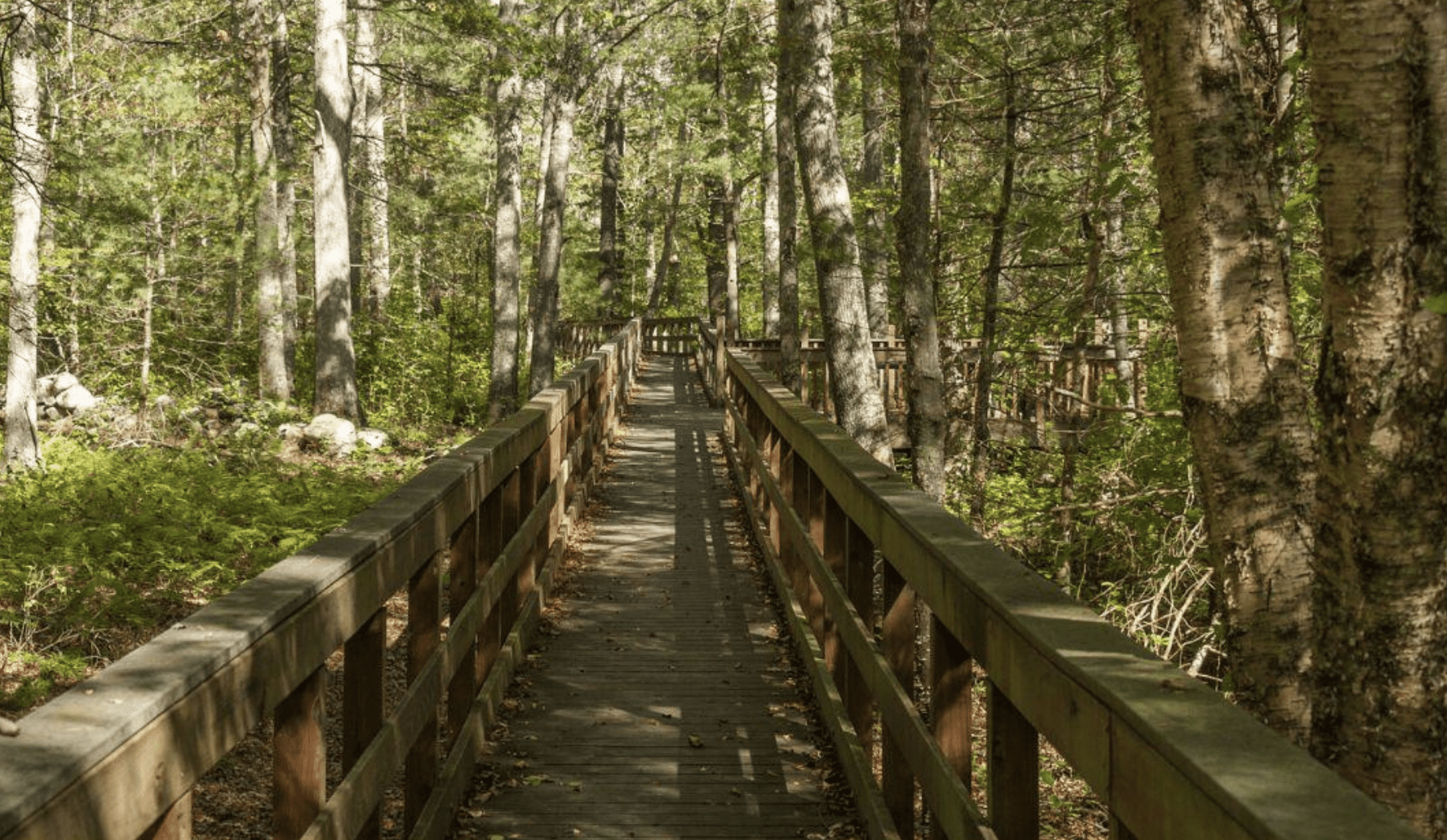
Outdoors in RI: Get Outside—Arbor Day, Tulip Yoga, Fishing & Sailing for Kiddos
Our smorgasbord of things to do – things to know – in “Outdoors in RI”:
Tree talk: URI forester tips on tree safety, protection and observation for Arbor Day
Many Rhode Island trees just coming into bloom
A forestry extension specialist at the University of Rhode Island, Christopher Riely works with faculty and students across campus, and off-campus partners, to help improve Rhode Island’s forests and the wildlife they support. A certified arborist and forester, Riely answers some questions about local trees in time for Arbor Day on April 24.
-
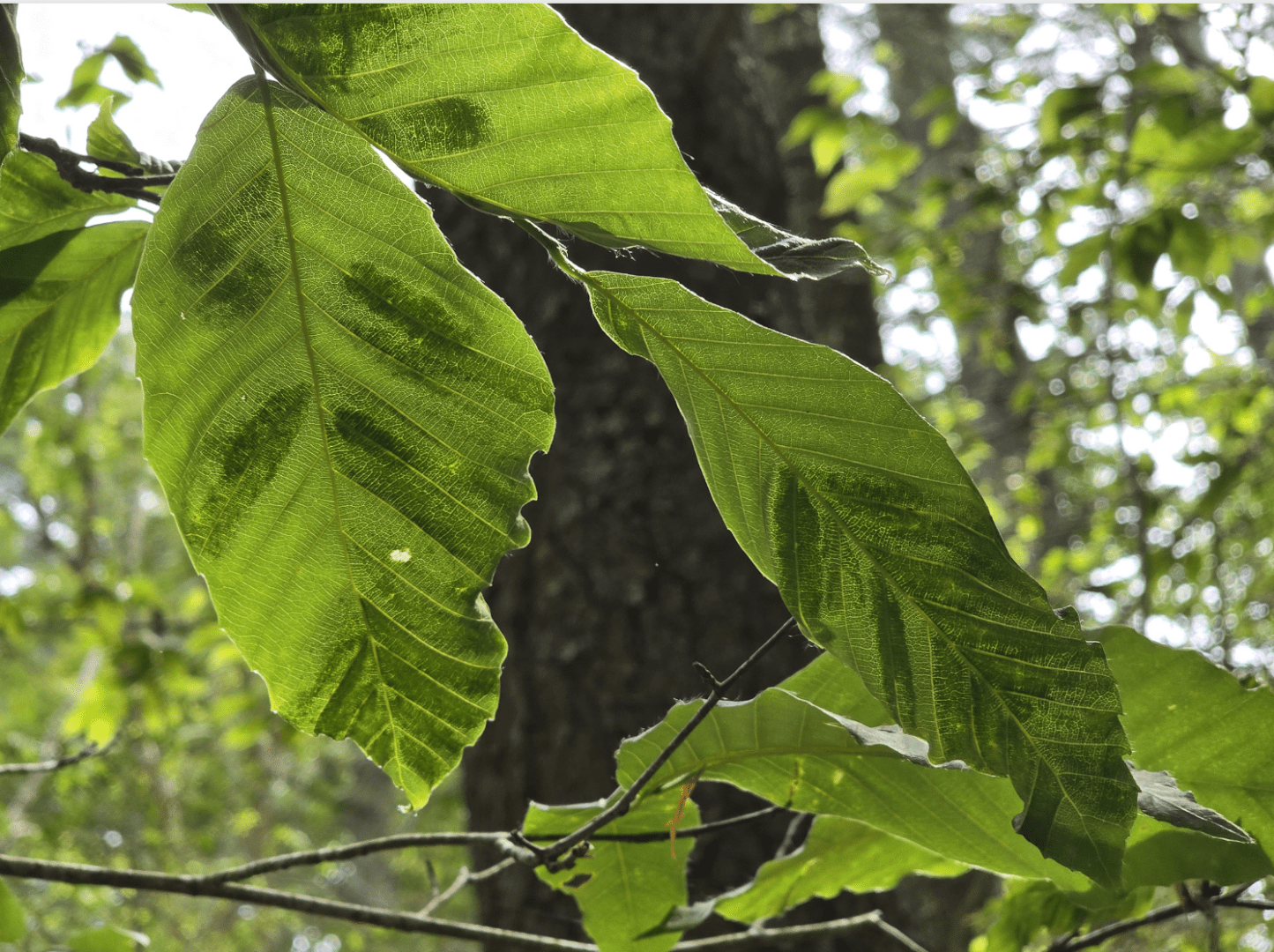
- URI’s Plant Diagnostic Laboratory assesses symptoms of beech leaf disease and other plant issues. (URI Photo / Keiddy Urrea-Morawicki)
-
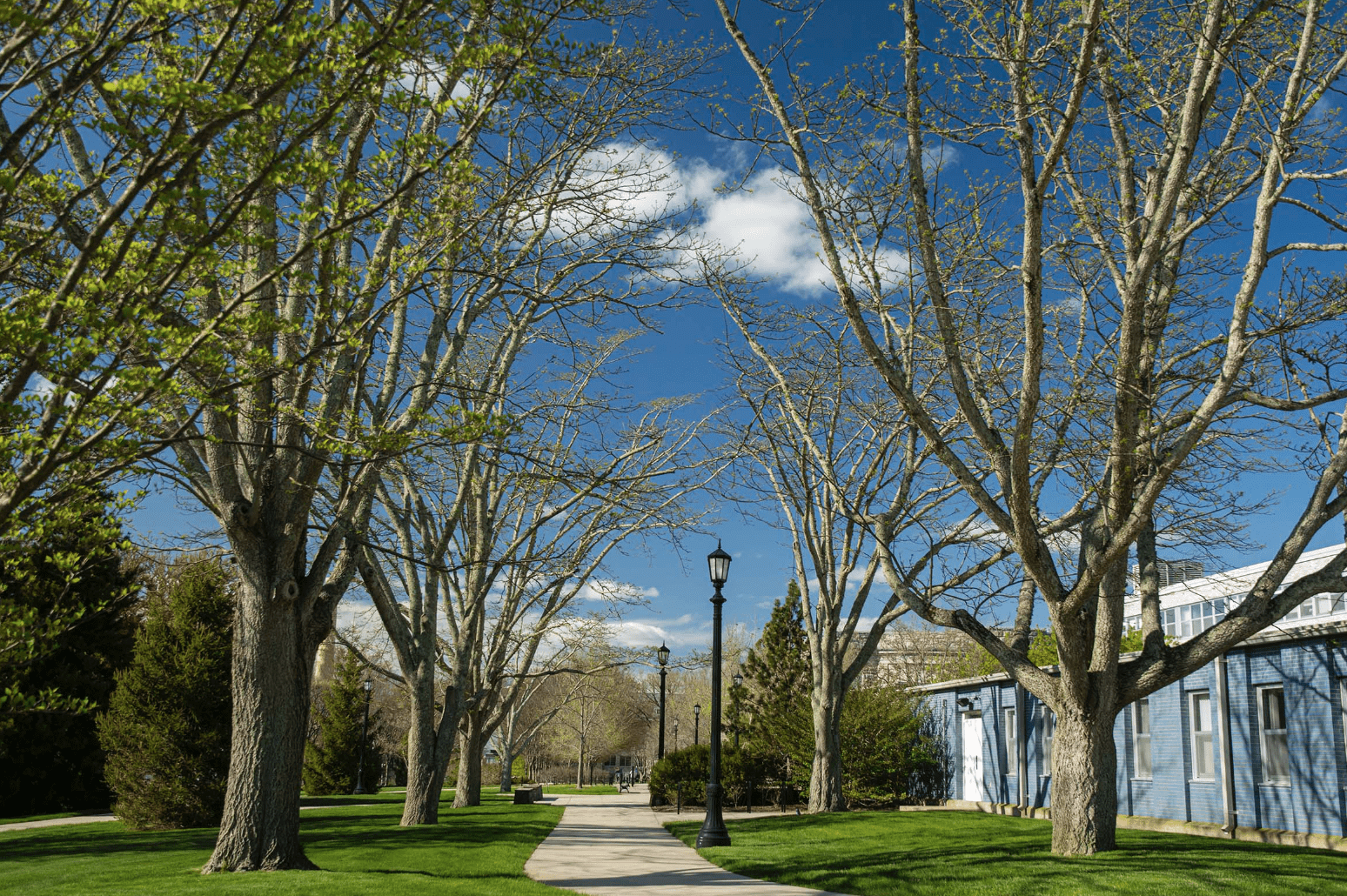
- As the URI campus comes into bloom, University staff and faculty are working to protect trees on campus and across the state. (URI Photo / Nora Lewis)
-
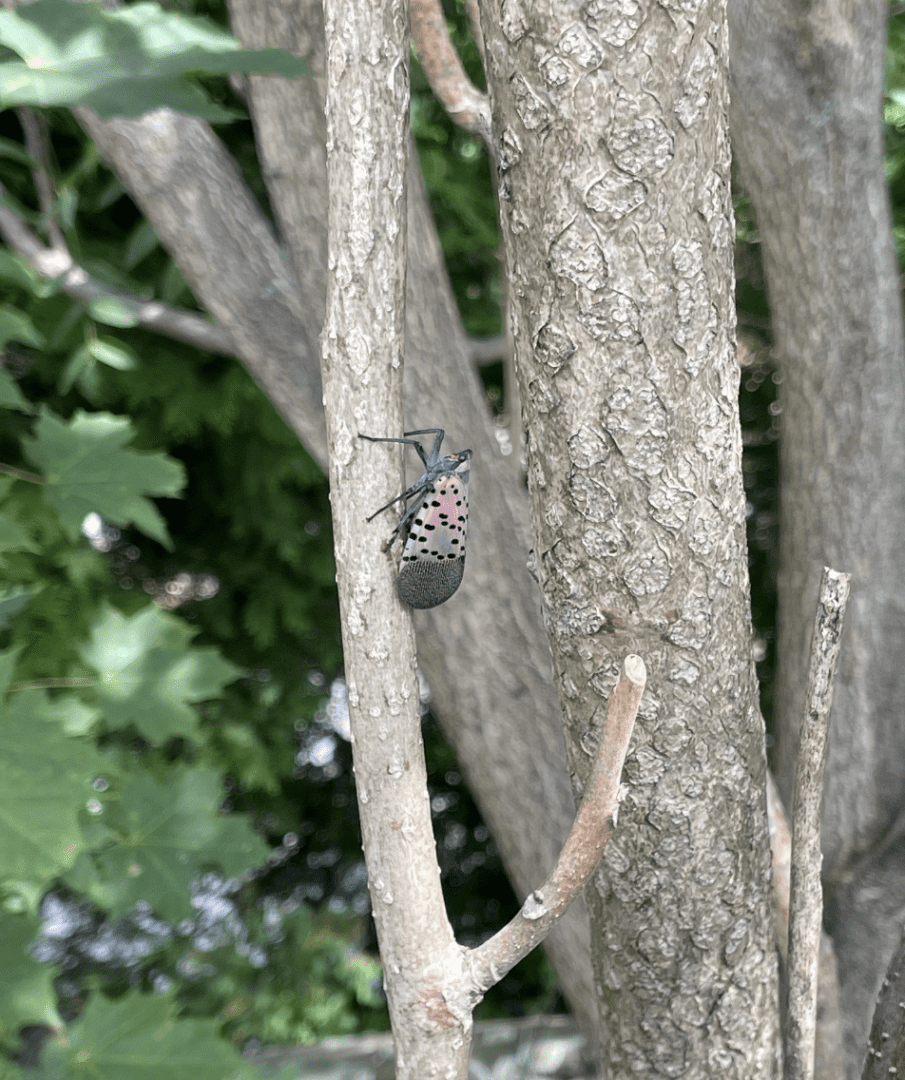
- URI’s Biocontrol Lab partners with the Rhode Island Department of Environmental Management to monitor and research forest health pests such as the spotted lanternfly. (Photo courtesy R.I. DEM / Alana Russell)
-
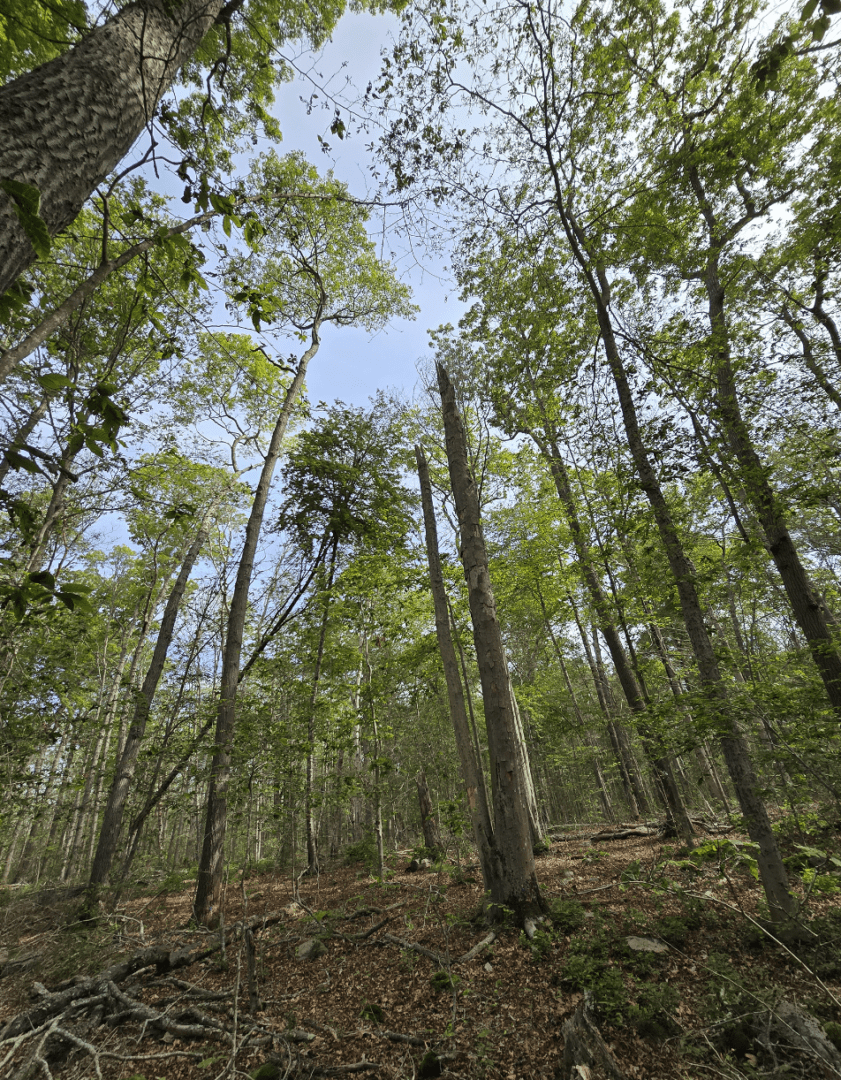
- Within the past several years, almost all of Rhode Island’s beeches have become affected by beech leaf disease and some are impacted by beech bark disease as well. (URI Photo / Keiddy Urrea-Morawicki)
Do you have any tips for tree safety for residents — things to check for tree weakness after the winter, or safety tips for home yard work as people start getting out in their yards more?
The early spring before trees have fully leafed out is a good time to check for damage that trees may have sustained over the winter. However, as bark is more easily damaged during this time of higher sap flow, pruning at this time can make trees more susceptible to disease. The dormant season is the best time for pruning, especially the late winter when cuts will heal soon thereafter when trees start growing again.
April and May are good months for planting trees and shrubs so they can start to get established before the hot summer months that usually bring drought stress. Planted trees should be watered regularly at least through their first growing season in a new location. While it’s best to avoid planting during the summer months, larger trees, such as those that come from nurseries balled and burlapped, can be also planted in the early-to-mid fall.
Is there anything homeowners can do to help protect trees from pests such as the emerald ash borer and/or spotted lanternfly?
Exotic invasive insects and diseases are an ever-increasing threat to forest ecosystems and trees. Long-present pests such as the spongy moth (formerly known as gypsy moth), chestnut blight, and Dutch elm disease are still with us. Hemlock woolly adelgid (an aphid-like insect whose egg masses are visible on the underside of needles during the winter months) has become well established in Rhode Island and the emerald ash borer (a tiny, brilliant green wood-boring beetle) is leading to the mortality of many ash trees.
Within the past several years, almost all of the state’s beeches have become affected by beech leaf disease and some of them are impacted by beech bark disease as well. The brilliantly-colored spotted lanternfly moth has now been found in all counties in the state, although populations are still concentrated in the Providence metropolitan area. Primarily an agricultural pest, its preferred host is the common invasive tree known as Ailanthus or “tree of heaven.”
The Southern pine beetle, which has migrated northward into Rhode Island due to warmer winters, is one of the newest forest pests to look out for. It is a tiny black bark beetle which primarily attacks pitch pines locally; one of the telltale signs of an infestation is popcorn-like patches of sap on the bark of the tree. Meanwhile, sassafras trees are susceptible to a disease called laurel wilt transmitted by another beetle; it was found in the Northeast for the first time last year.
One of the best things that landowners and homeowners can do is to be aware of and learn to recognize these forest pests and diseases. URI’s Plant Diagnostic Laboratoryand Biocontrol Laboratory are working with the Rhode Island Department of Environmental Management Forest Health Program and USDA Forest Service to monitor and research strategies for managing them; the specifics are different for each individual insect or disease. In general, there are often treatments (some of them experimental) that can be appropriate for small numbers of trees, such as in a yard, but are impractical or cost-prohibitive at a forest scale. For Southern pine beetle, thinning pitch pine stands has been shown to be an effective method of preventing or mitigating infestations.
Are there places in Rhode Island you recommend to enjoy spring blooming trees?
Some of the best places to see spring blooms are in public park spaces, where communities have intentionally planted blooming trees that people find beautiful and appealing. Many of these trees are non-native (but not invasive species), with ornamental apples, cherries, and pears being among the most popular with their pink and white blossoms.
Here at URI, one of the best places to see blooms and a variety of different types of trees is in the Botanical Gardens located near the northeast corner of campus (on Greenhouse Road, off Upper College Road). Although there are fewer trees, another good spot is the Youngken Medicinal Garden located adjacent to Avedisian Hall that is part of the College of Pharmacy. It contains nearly 300 species of medicinal plants, including a seating area with river birch trees.
White-blooming dogwoods can be found in the understory of forests all around the state. The tulip tree or tulip poplar is one of our tallest native trees, so its blossoms are often far overhead, but it has large, distinctive yellow-green flowers with an orange band at the base that appear in May and June. Tall mountain laurel and rhododendrons (admittedly shrubs) are common in some areas of western Rhode Island such as the scenic Long and Ell Pond area in Hopkinton where there are popular hiking trails.
While it’s located in a more remote part of the state, Rodman’s Hollow at the south end of Block Island is known for shadbush that grows to the size of trees as there is little competition from other trees. The white blooms in May there are quite striking!
For more tips on tree selection or care, contact URI’s Cooperative Extension Gardening and Environmental Hotline (401-874-4836 / [email protected]) or visit Rhode Island Woods, an online resource for information on Rhode Island forests, maintained at the University of Rhode Island.
___
Yoga in the Tulips at Wicked Tulips
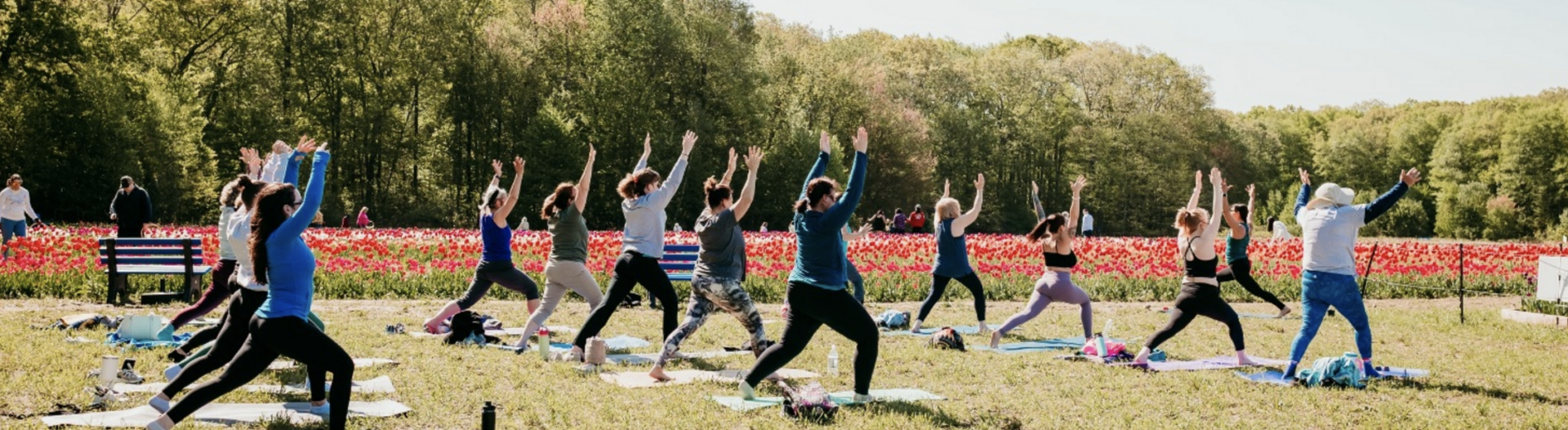
An all-levels Vinyasa Flow at 9:00 am on select Saturdays & Sundays.
Farm locations indicated after you select Buy Tickets and select a date. Your ticket includes admission to the farm, 10 u-pick tulips, and the yoga class in the tulips! Classes will start promptly at 9AM and will run for approximately 45 minutes. Yoga in the Tulips will be an All Levels Vinyasa Flow.
You can stay as long as you like after class to pick your tulips. More tulips may be picked for $1.50/stem. Namaste!
*These tickets are intended for yoga, do not purchase a ticket for you or anyone in your party unless you/they are participating in the yoga class – reserve yours – HERE.
___
Town of East Greenwich, DEM Partner to Preserve the Nearly 40 Acre Pine-Lister Farm at the Headwaters of the Hunt River for Wildlife Habitat and Outdoor Recreation
The Rhode Island Department of Environmental Management (DEM) and the Town of East Greenwich are pleased to announce the permanent conservation of 39.86-acres known as the Pine-Lister Farm property on Tillinghast Road in the Frenchtown neighborhood of East Greenwich, east of Cook’s Corner. The property, which contains more than 1,500 feet of frontage on the Hunt River, is located within a significant block of contiguous forest land and anchors the southern end of a National Register Historic District. Set aside as perpetual conservation land, the property is now protected for traditional forest uses, passive public recreation, water quality and wildlife habitat. The purchase price for the property was $1,900,000. A $400,000 grant committed in 2022 through DEM’s competitive Local Open Space Grant Program was integral in financing the project, with funding for the program leveraged through the Rhode Island voter-approved 2022 and 2018 Green Bonds.
“This project is an excellent example of the important land conservation work being done at the local level throughout Rhode Island,” said DEM Director Terry Gray. “DEM is pleased to support projects like these, which increase Rhode Islanders’ access to the outdoors, protect water quality, and help make our state more resilient.”
“Rarely are we able to acquire lands in Town that exemplify the East Greenwich landscape so well,” said East Greenwich Town Manager, Andy Nota. “From large white pine stands to mixed hardwood forests, to prime farm soils and river frontage, the property is extraordinary. Dating back to our Town’s 2013 Comprehensive Plan, we’ve envisioned a conservation outcome for this land. We can’t thank the DEM enough for their support as well as the taxpayers of East Greenwich and State of Rhode Island for enabling community driven, local land conservation.”
Under Town management, the Pine-Lister Farm will become a publicly accessible hiking area with parking and a trailhead kiosk off of Tillinghast Road. Trailhead signage will emphasize wildlife habitat protection and the property will be managed in accordance with a DEM approved plan that balances public use with natural heritage preservation. East Greenwich has experienced the third highest population growth of any city or town in Rhode Island over the past 10 years and local demand for access to open space for outdoor exploration is high.
Municipalities, land trusts, and nonprofit land conservation organizations pursuing land protection projects are eligible to apply to the Local Open Space Grant Program. Applications are reviewed and ranked by the Governor’s Natural Heritage Preservation Advisory Committee, with final awards made by the State Natural Heritage Preservation Commission. Nearly 1,700 acres have been protected statewide through DEM’s Local Open Space Grant Program over the past 5 years.
DEM’s Green Space programs – which include Outdoor Recreation, Local Open Space, and Recreational Trail grants – fund land conservation, recreational land acquisition and development, and recreational trail development and improvements statewide. Nearly every town in the state has received funding through the Local Open Space Grant Program over the course of the 200+ grants administered since 1990—all thanks to voter-approved bond measures which have historically provided consistent and reliable state funding for community driven land protection and recreation initiatives. Rhode Island’s historic parks, bikeways and green spaces provide opportunity for public enjoyment – in addition to improving the health of the environment, strengthening the state’s climate resilience, and supporting the economy. According to the Outdoor Industry Association, outdoor recreation in Rhode Island generates $1.7 billion in consumer spending and supports over 18,000 local jobs.
___
Arbor Day Festival and Bristol Community Day at Blithewold
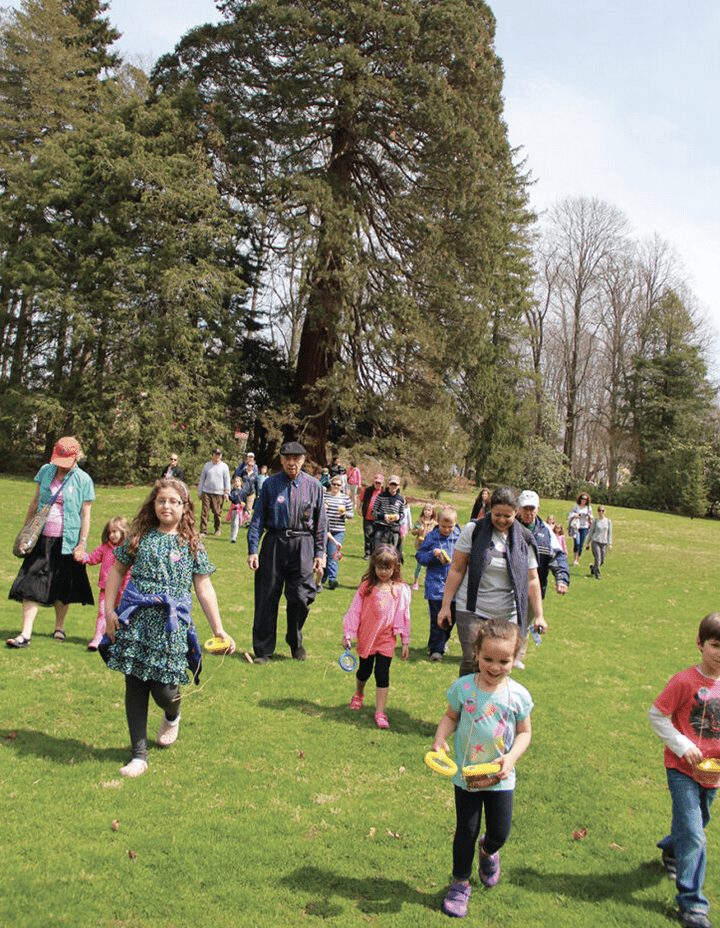
Saturday | April 25 – 11 AM – 3 PM – Location: Check in at Welcome Center – Grounds & Manor
Join Blithewold as we celebrate our arboretum’s 100th anniversary and historic trees. This festival promises a day of entertaining, family-friendly nature crafts, scavenger hunts, workshops, and more. Don’t miss special performances by the internationally acclaimed Professor Pricklethorn and a sapling giveaway generously sponsored by The Bartlett Tree Company. Local food trucks Red’s Kitchen and Seb’s Woodfired Pizza will be on hand, selling delicious treats.
Fun for everyone! Including…
Kids Nature Crafts
Tree Seedling Giveaway
Face Painting
Kid’s Tree Climb with ISA
Professor Pricklethorn’s Tree Stories
Food Trucks
Self-Guided Tours of the Manor House
Composting workshops for kids and adults
Scavenger Hunt
Included with General Admission:
General admission can be bought online here or at the Welcome Center when you arrive.
Bristol residents enjoy free admission with ID:
Please present your ID at the Welcome Center when you arrive.
Learn all about RI’s Wildlife Management Areas
Whether you love hiking, biking, fishing, hunting, birdwatching, or horseback riding, Rhode Island’s State Wildlife Management Areas are beautiful places to explore and enjoy nature! While these conservation lands are open to the public, there are some rules visitors need to follow to keep both people and wildlife safe. Join RIDEM’s Division of Fish and Wildlife outreach team for an intro to State lands, wildlife conservation in RI, and ways to access your state’s natural resources! This program is FREE to attend, but registration is required so that staff can prepare materials. More info: [email protected]
The JAYCEES of Central Rhode Island invite all community partners to participate in our annual Earth Day Month activities at the award‑winning JAYCEE Arboretum and Senator Roch Riverwalk, located in Riverpoint Community Park, 106 Hay Street, West Warwick.
These events support community beautification, volunteerism, civic engagement, environmental stewardship, and family‑friendly outdoor activities — all of which strengthen Rhode Island’s business climate and community vitality.
🌿 Earth Day Month Kickoff – Saturday, April 25
A guided Land Survey Review and Arboretum Walk will open Earth Day Month. Participants will learn about local ecology, conservation, and the Arboretum’s role in community development.
🌼 29th Annual Ecology Day & Peace Prayer Ceremony – Saturday, May 9 at 10:00 AM
(Rain date under the Pavilion)
This long‑standing Rhode Island tradition includes:
Participation from chambers, business groups, and civic leaders
A reflective Peace Prayer Ceremony
Planting 100 flowers in memory of the Station Fire Victims
Arbor Day activities
A hands‑on community beautification project suitable for all ages
Businesses are encouraged to share this event with employees and customers.
🌳 Weekly “Clean‑ups & Green‑ups” – per reservations at 10:30 AM
April through October 31 (weather permitting)
Volunteer opportunities include:
Riverwalk and trail maintenance
Litter removal and beautification
Planting and seasonal upkeep
Support along the West Bay Bikepath
Ideal for:
Corporate volunteer days
Employee engagement programs
Community‑impact initiatives
Team‑building activities
Business–community partnerships
🌱 A Community Asset Supporting Local Business
The Arboretum is a designated TREE CITY USA site and serves as a community gathering space that enhances local quality of life — a key factor in economic development and business attraction.
We welcome all associations to share these events with their members.
📬 Contact Information
For details or to coordinate group participation, please contact: JCS of Central Rhode Island P.O. Box 348, West Warwick, RI 02893 (401) 828‑9191 [email protected]
Thank you for your commitment to community improvement, environmental stewardship, and civic engagement across Rhode Island.
Yours in Service, The JAYCEES of Central Rhode Island