
Subscribe!
Outdoors in RI: Easter Egg Hunt, Fishing and PFAS, Saving New England’s Only Native Rabbit
|
|
|
|
Easter Egg Hunt at Butterfly Farm

It’s the 4th annual Easter Egg Hunt at the farm! Search for Easter eggs in their fields, visit with your favorite farm animals, see some of the new lambs and calves that have been born, visit with the Easter Bunny and get your face painted!
Tickets are for children only! Children must be accompanied by an adult (no ticket needed for adults). Easter eggs are for children only. Tickets can only be used during the wave time indicated.
Note that all eggs will be empty. Children will collect eggs and exchange them in at the prize table for toys and candy of their choosing.
April 4, 9 am-4 pm – Butterfly Farm -679 Great Road – Lincoln
___
Study to Examine PFAS Impacts on Stocked Trout – Upper Melville Pond will close for Fishing
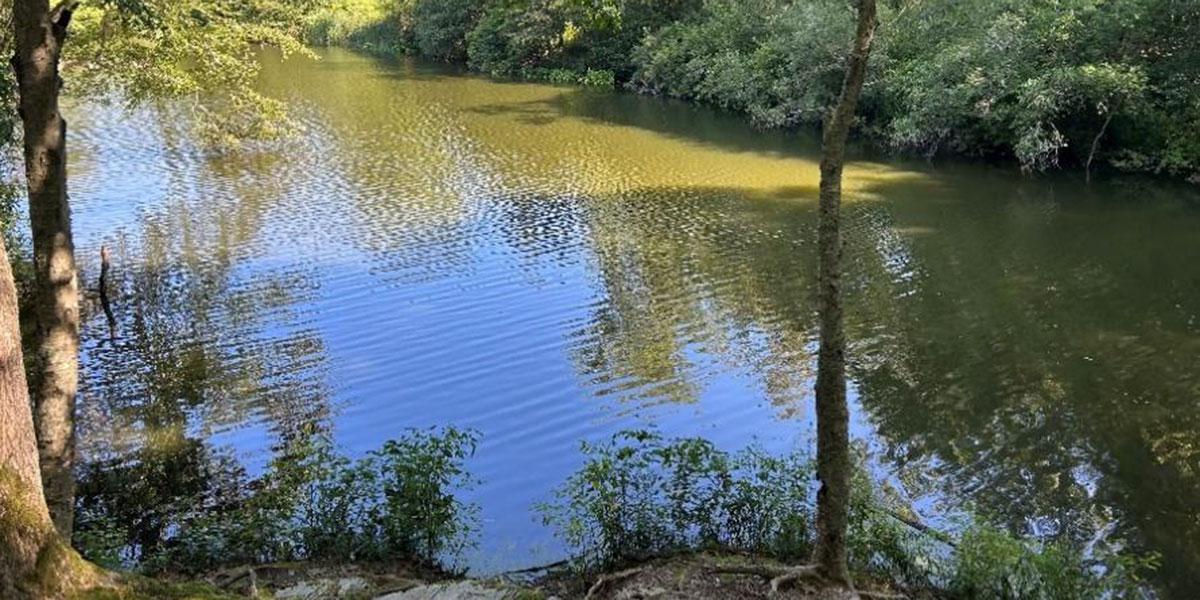
RI DEM photo
The Rhode Island Department of Environmental Management (DEM) and Rhode Island Department of Health (RIDOH) announce a collaborative study with the US Environmental Protection Agency (EPA), Roger Williams University (RWU), and the Town of Portsmouth to examine Per-and Polyfluoroalkyl Substances (PFAS) accumulation in stocked trout.
The study will be conducted from May 4 through July 2 at the Upper Melville Pond (also known as Thurston Gray Pond) in Portsmouth. To protect the integrity of the study, the pond will be closed to fishing during this timeframe. The timing of this study was chosen to prevent the fishing closure from impacting Opening Day of the trout fishing season. Lower Melville Pond will remain open to fishing during the study but will not be stocked.
Upper and Lower Melville Pond were originally built by the US Navy as drinking water reservoirs for Naval Station Newport. The ponds are located near the former Melville Fuel Defense Support Point, where PFAS-containing firefighting foam was used. Sampling performed by DEM detected elevated levels of PFAS in the Upper and Lower Melville Ponds. The study was originally planned to occur before the start of trout fishing season, but the historic Blizzard of ’26 delayed when the study could begin.
The first study of its kind in Rhode Island, it will track how quickly PFAS accumulates in the tissue of stocked fish. DEM will anesthetize and fin-clip stocked fish, work with RWU to collect samples of stocked trout every two weeks and then transport them to RWU and EPA labs for testing. Water and sediment samples will also be collected for PFAS analysis.
Results of this study are expected to be finalized next year and will help guide efforts to minimize PFAS exposure. This study is being conducted at no cost to the Town of Portsmouth. Funding is being provided by RIDOH and DEM.
___

Wild, captive, to wild: Working to help save New England’s only native rabbit
URI’s T.J. McGreevy, Jr. and Justin Richard combine genetic and behavioral approaches to help imperiled New England cottontail
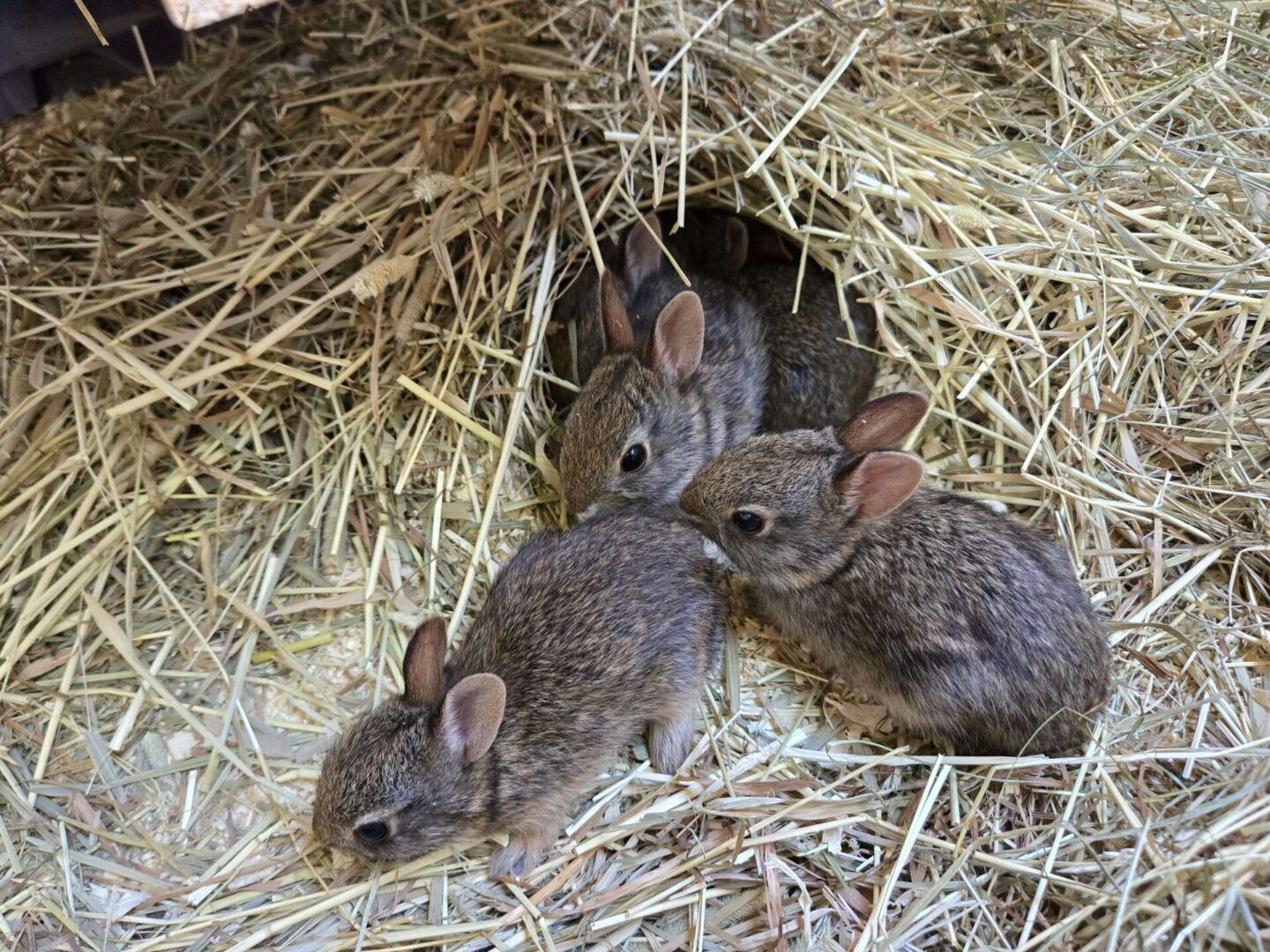
The elusive native New England cottontail rabbit is the subject of lore and literature. But over the last century, their numbers declined precipitously in our region due to development, landscape change, and the introduction of an invasive rabbit.
Now researchers at the University of Rhode Island are using a two-pronged approach to improve the New England cottontail’s prospects, combining genetic and behavioral approaches at two very different sites: busy Roger Williams Park Zoo in Providence and the aptly named Patience Island, off of Warwick.
-
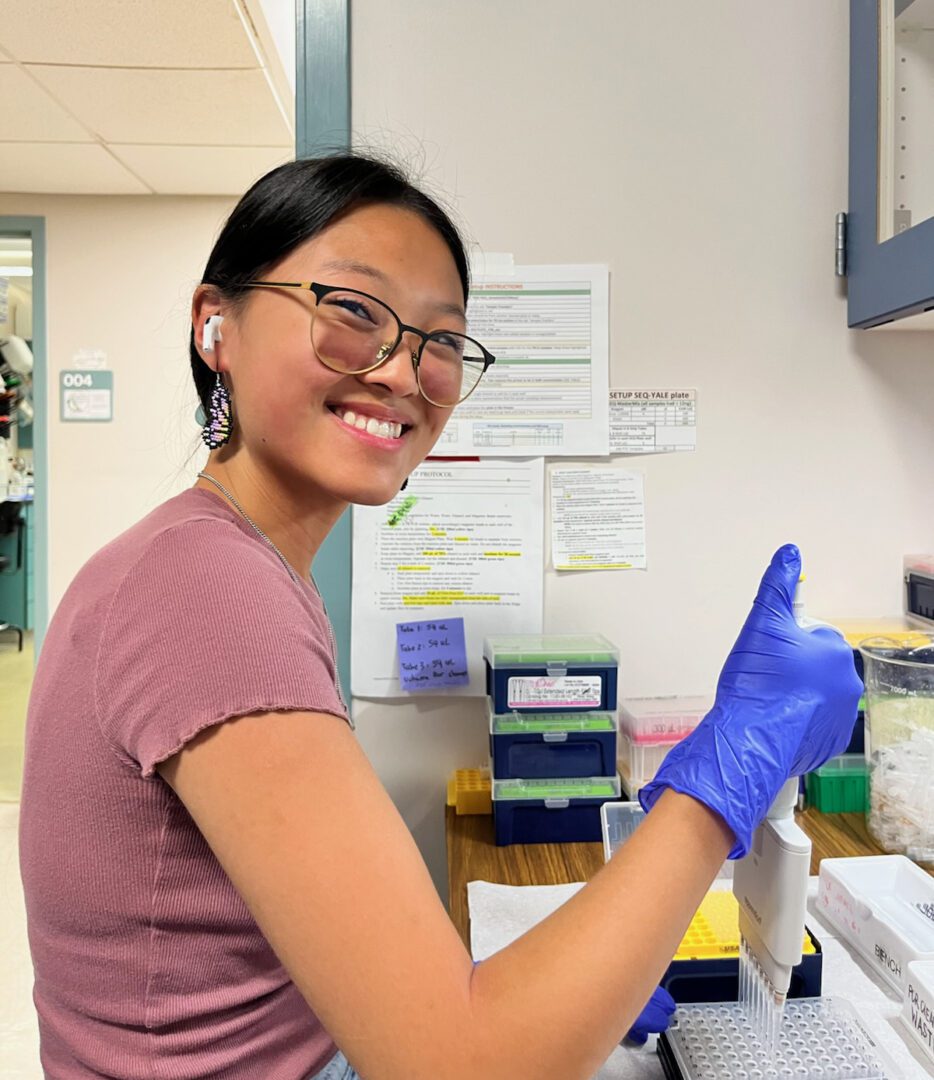
- Student researchers in the Wildlife Lab are helping the imperiled New England cottontail.
-
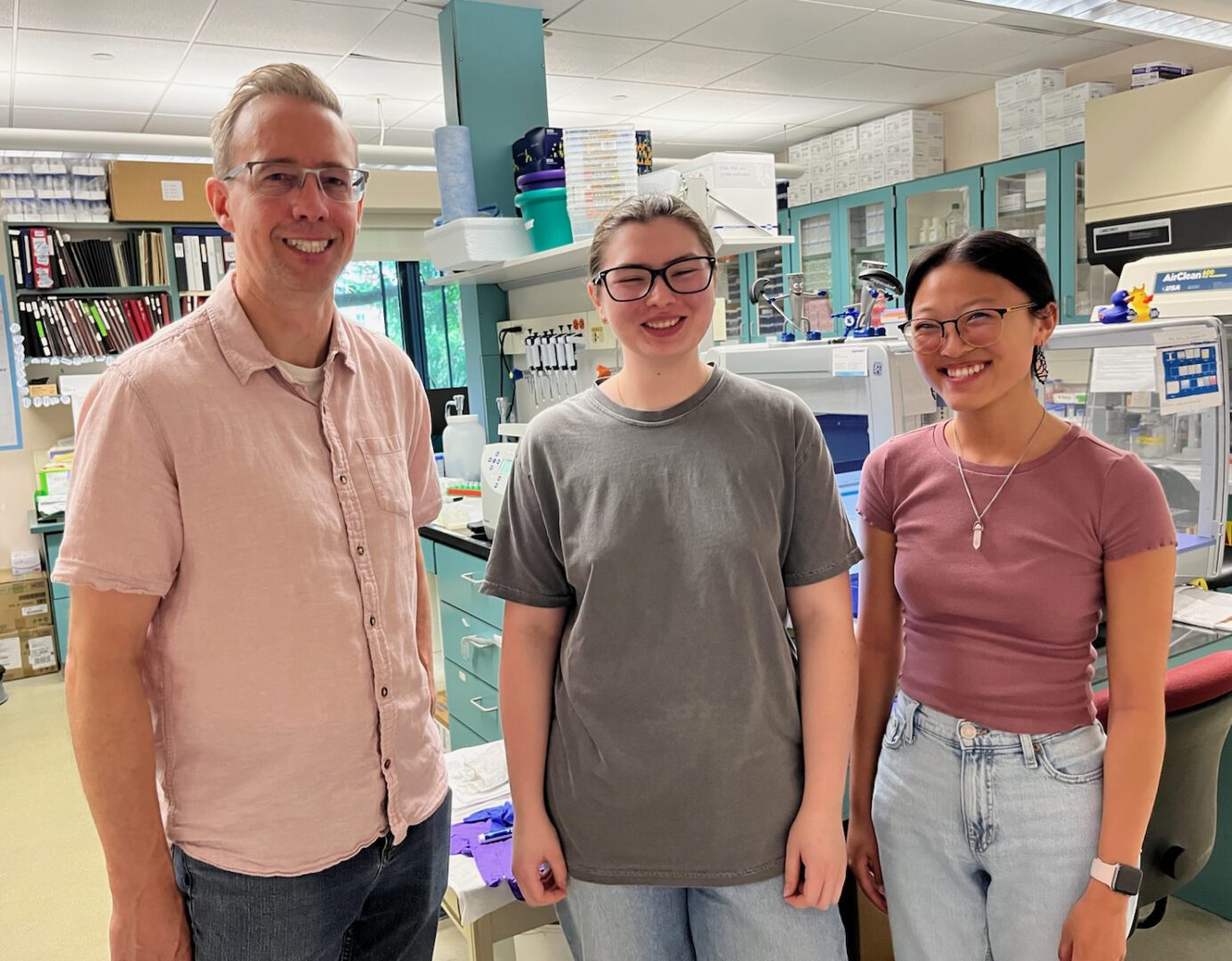
- T.J. McGreevy ’98 ’03 ’09 left, directs URI’s Wildlife Genetics & Ecology Laboratory; shown with students Margarita Savage and Maelyn Kelly.
-
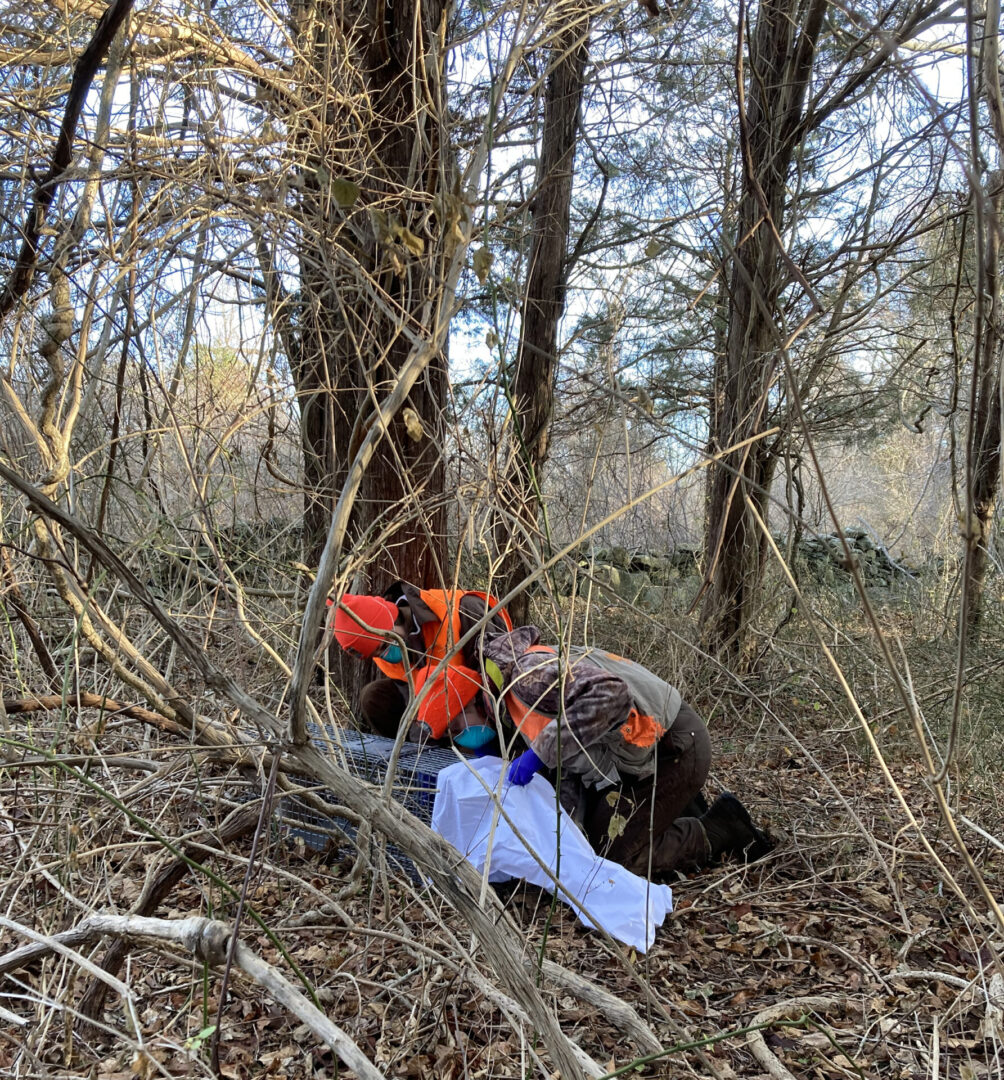
- Rhode Island rabbits are finding breeding success on Patience Island.
Breeding programs coupled with translocation form an increasingly important method for conserving imperiled species; the approach has been used in the United States to help conserve pygmy and Riparian brush rabbits, but U.S. islands have rarely been used to produce animals for translocation.
T.J. McGreevy, Jr. in URI’s Department of Natural Resources Science is hoping that islands will help preserve the New England cottontail here.
McGreevey recently finished his 14th season of field trapping the New England cottontail on Patience Island; now his state wildlife biologist collaborators will release the rabbits in New Hampshire and Maine this spring. Each winter they move approximately 30 rabbits off island to the mainland; last winter it was 41.
He’s working with URI colleague Justin Richard; they hope their combined efforts will give the native rabbit a better future, preserving its numbers here for centuries to come.
Richard is working with staff and students at Roger Williams Park Zoo while McGreevy has been coordinating efforts with state and federal wildlife biologists to establish multiple islands as breeding colonies to translocate rabbits to dwindling mainland sites. McGreevy is working with Richard to inform breeding programs at the Roger Williams Park and Queens (N.Y.) zoos to produce individuals that will ultimately be better able to survive and reproduce in the wild. These efforts will be critical to repopulate restored habitats for the species.
They are also sharing their work with the public this spring.
“Our partnerships with the zoos are a great opportunity for us to share the story of New England cottontail conservation with local audiences,” says McGreevy.
Twenty-four undergraduate URI research assistants are working on a project on rabbit mate preference (to maximize breeding success) with Roger Williams Park Zoo. They’ll be at the zoo during April school vacation week, talking with interested guests about the research URI is doing to support the breeding program.
McGreevy and Richard’s work has also been recognized with a grant from the National Science Foundation, in partnership with Allen Family Philanthropies, that supports conservation collaboration; they are using this to further research into this native New England rabbit. The funding allows state biologists, U.S. Fish and Wildlife Service biologists, zoo personnel, and academics to coordinate their efforts to conserve New England cottontails.
Genetic focus
Each summer, McGreevy hosts URI students in his lab studying rabbit genetics and other wildlife studies. During the winter, he can be found checking traps and cottontail numbers on Patience, a small island just off Prudence Island. The off-the-grid island’s name is a fitting descriptor for McGreevy’s work as he waits for the cottontail numbers to rise there. A summer tourist destination it is not — no electricity, rampant poison ivy, lots of ticks.
But for a cottontail rabbit, it’s perfect.
The island’s dense overgrowth of vines, brush, and briar-filled thickets is the ideal environment for the New England cottontail to find food and protection from predators.
McGreevy works with breeding programs in northern New England as other nearby states have banded together to help save the imperiled cottontail.
The New England cottontail thrived on abandoned farms that transitioned to young forest in the 1960s, providing them with an ideal habitat. Changes in the surrounding forest and the rise in development have meant a loss of habitat for the rabbit and a partitioning of what has remained.
And then there’s its rabbit competition: over 200,000 eastern cottontails were initially brought to New England in the early 1900s. First introduced in Connecticut and New York, the rabbit rapidly populated the region. While originally introduced for hunters, the rabbit has also suffered from the cachet of catching — for hunters, it’s more impressive to hold and show off a deer instead of a rabbit — and so they spread.
“Eastern rabbits are adaptable; that’s part of the problem,” says McGreevy.
The genetically diverse and disease resistant eastern cottontail can flourish in all kinds of habitats. It’s the one you see hopping across your front yard or when walking in the park. McGreevy has even seen the rabbit hopping about downtown at WaterFire in Providence. It can tolerate being out in open areas while the native New England cottontail prefers dense areas.
It can be hard to make the case for a disappearing species when people feel like they are seeing them all over the place, McGreevy comments.
McGreevy says we will not be able to eradicate the eastern cottontail, but hopefully the native New England cottontail can also retain a home here. He’s excited for new support for their project to help URI’s team reach more citizens interested in preserving our New England cottontail and other wildlife for generations to come.
“The public education and programs are needed,” he says.
___
Rhode Island Home Show April 10-12 at the RI Convention Center
___