
Subscribe!
❤️ Caring for Roses: How to Keep Valentine’s Roses – Flowers – Alive and Thriving ❤️
Roses are the signature flower of Valentine’s Day—but too often, they fade within days. With a little care, fresh-cut roses can last well beyond the holiday, and potted roses can thrive for years.
First Steps Matter
As soon as roses come home:
-
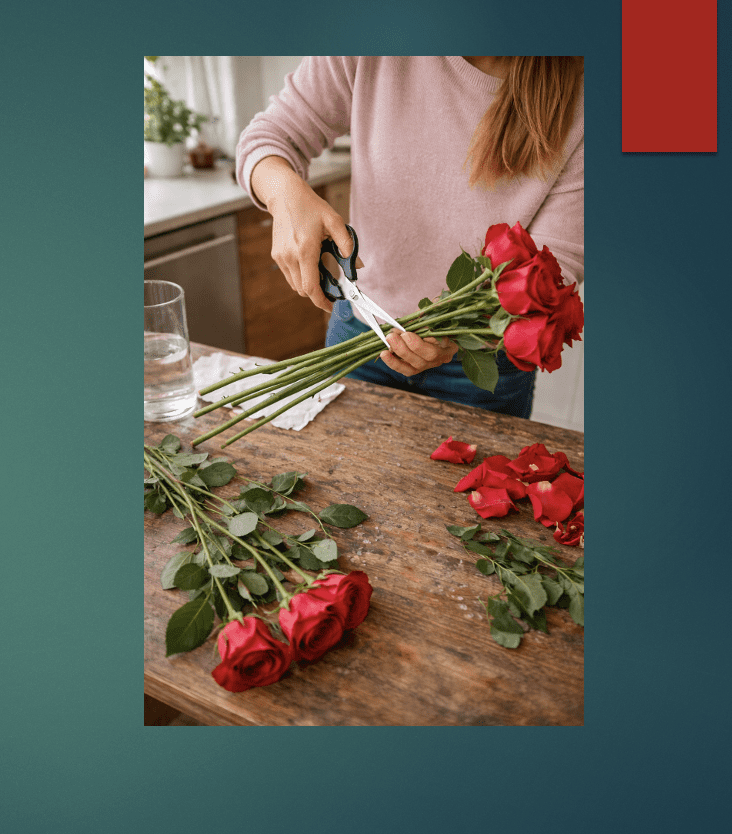
Trim the stems at a 45-degree angle using sharp scissors or pruners
-
Remove leaves that would sit below the water line
-
Place them immediately in clean, cool water
This helps roses absorb water efficiently and prevents bacteria growth.
Water Is Everything
-
Change the water every 1–2 days
-
Rinse the vase each time
-
Re-cut stems slightly with each water change
-
Use the provided flower food, or add a teaspoon of sugar and a drop of bleach as a substitute
Avoid letting the water get cloudy—this is the fastest way to shorten a rose’s life.
Location, Location
Roses prefer:
-
Cool rooms (65–72°F)
-
Indirect sunlight
-
Away from heaters, radiators, and drafts
Avoid placing roses near fruit bowls—ripening fruit releases ethylene gas, which speeds wilting.
What about that ol’ tip to put an aspirin in the water?
That tip has been around forever, but it’s mostly a myth.
Here’s why:
-
Aspirin (acetylsalicylic acid) doesn’t meaningfully extend the life of cut roses
-
It can slightly acidify water, but not enough to help uptake
-
In some cases, it can actually stress the stem tissue
Caring for Potted Roses
If you received a potted rose plant:
-
Keep soil moist, not soggy
-
Place in bright, indirect light
-
Remove spent blooms to encourage new growth
After the danger of frost passes, potted roses can often be transplanted outdoors.
With proper care, Valentine’s roses can last a week or more—and sometimes much longer.
Roses may steal the spotlight, but Valentine’s Day flowers come in many varieties—each with its own meaning and care needs.
Roses
-
Meaning: Love, romance, devotion
-
Care: Fresh water, trimmed stems, cool temperatures
-
Best for: Traditional romantics
Tulips
-
Meaning: Perfect love, elegance
-
Care: Cold water, minimal handling
-
Tip: Tulips continue growing in the vase—trim stems every few days
Lilies
-
Meaning: Purity, devotion
-
Care: Remove pollen to prevent staining and extend bloom life
-
Note: Keep away from pets, especially cats
Orchids
-
Meaning: Luxury, strength, lasting affection
-
Care: Bright indirect light, weekly watering
-
Longevity: Can bloom for months with proper care
Carnations
-
Meaning: Admiration, gratitude
-
Care: Very hardy; change water weekly
-
Bonus: Excellent long-lasting flower
Mixed Bouquets
Mixed arrangements combine texture, color, and meaning:
-
Keep water fresh
-
Remove fading blooms promptly
-
Re-trim stems as needed
They’re often the most forgiving—and visually striking—option.
A Valentine’s Takeaway
Whether you’re gifting classic roses or a bold mixed bouquet, proper care makes the sentiment last longer. Flowers are more than decoration—they’re a living reminder of thoughtfulness.

Publisher’s Note: A great place for Roses? Two dozen for $29.99 – Whole Foods – get them early!