
Subscribe!
Pope Leo’s Lung Cancer Diagnosis: Surgery, Faith and the Road Ahead
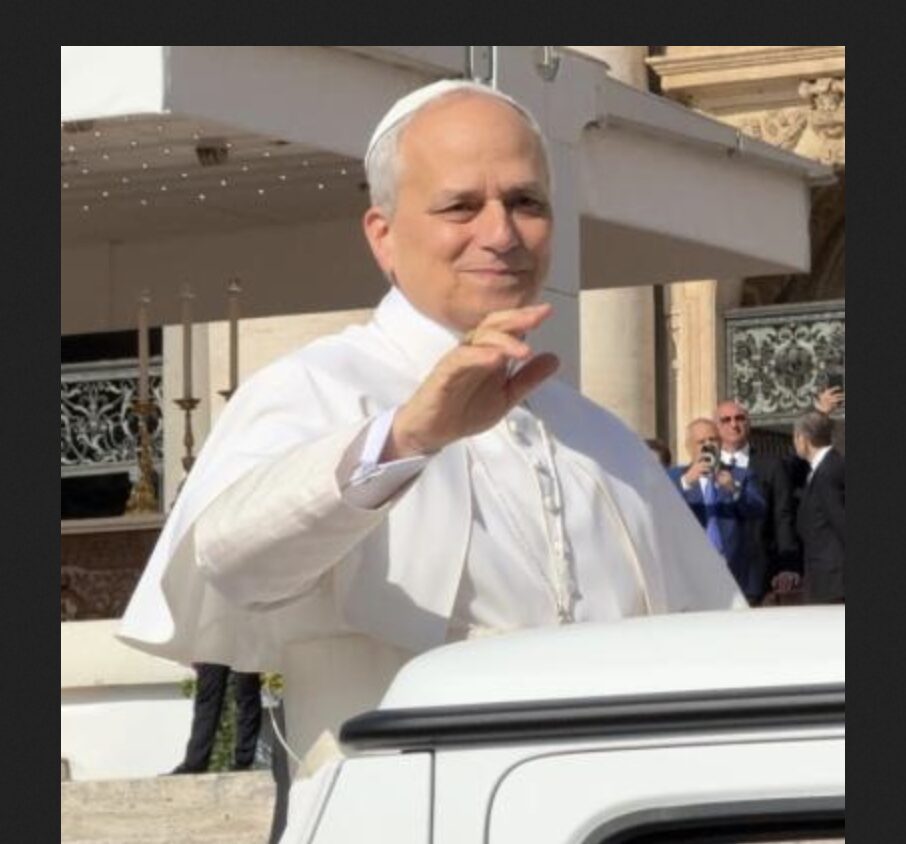
Pope Leo XIV underwent successful surgery at Rome’s Gemelli Hospital on October 13, with doctors confirming lung adenocarcinoma and removing the lower lobe of his right lung. The Vatican said the operation used a video-assisted technique, lasted approximately 90 minutes and had no complications.
The diagnosis followed the pope’s October 11 announcement that recent examinations had identified a small lung nodule, which he described as detected very early and well localized. Those details offer grounds for cautious optimism, although a successful operation does not, by itself, establish a patient’s long-term prognosis.
This type of lung cancer is the most common at 40%. Staging and size will determine if the surgery, itself, may be all the treatment he needs now or if other interventions are indicated.
A pilgrimage to Lourdes
Less than three weeks before surgery, Leo visited Lourdes, the French shrine long associated with prayer for the sick and hope for healing.
On September 26, he prayed silently before the statue of the Virgin Mary at the Grotto of Massabielle, touched the rock and drank a glass of water from the spring, offered by the shrine’s rector. He then placed a candle and presented a Golden Rose at the statue’s feet.
Lourdes is associated with the apparitions reported by Bernadette Soubirous in 1858. The three shepherd children—Lucia, Francisco and Jacinta—are associated with Fátima, Portugal, a different Marian shrine.
The trip also included a documented moment of tears. At the September 25 youth prayer vigil at the Stade de France near Paris, Leo wiped away a tear during a pageant celebrating France’s saints and blesseds. The pilgrimage takes on added poignancy following his cancer diagnosis.
What surgery did he have?
Removal of an entire lung lobe is called a lobectomy. The right lung has three lobes; Leo’s doctors removed the lower one, rather than his entire right lung.
The video-assisted approach is commonly called video-assisted thoracoscopic surgery, or VATS. Surgeons use a camera and instruments through small chest incisions to perform the operation. For suitable patients, it can mean less pain and a faster recovery than surgery through a large chest incision.
Understanding lung adenocarcinoma
Lung adenocarcinoma is the most common form of lung cancer in the United States, accounting for approximately 40 percent of cases. It belongs to the non-small cell lung cancer group and develops in cells with gland-like characteristics, including cells that produce mucus. It often begins in the outer portions of the lung.
Although smoking is a major risk factor, adenocarcinoma is also the most common lung cancer diagnosed in people who have never smoked. A diagnosis does not establish what caused an individual patient’s cancer.
Early disease may cause no symptoms and can first appear as a nodule on a scan. When symptoms occur, they can include a persistent or worsening cough, shortness of breath, chest pain, coughing up blood or unexplained weight loss.
Some adenocarcinomas grow relatively slowly, but others behave more aggressively. The name of the cancer identifies its cell type; it does not tell doctors its stage or whether it has spread. Those questions require imaging and examination of tissue, including assessment of lymph nodes.
When the cancer is confined to the lung and a patient can tolerate an operation, surgery may offer a chance of cure. Removing a lobe takes out the tumor together with surrounding lung tissue, while lymph-node examination helps determine whether additional treatment is needed.
Doctors may also test tumor tissue for molecular changes, such as alterations in the EGFR or ALK genes. These results can help identify targeted medicines for eligible patients. Targeted treatment acts on particular features of the cancer; immunotherapy helps the immune system attack it. Neither is automatically required for every early-stage case.
For Leo, the early detection described by the Vatican is encouraging. His individual outlook will depend on the final stage, tissue findings and recovery, rather than the cancer’s name alone.
Leo’s predecessor, Pope Francis, also had part of his right lung removed as a young seminarian in 1957 after a severe respiratory infection; his operation was for infection rather than a reported cancer diagnosis.
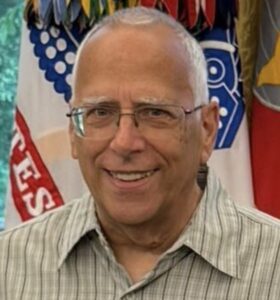
Overnight we learned that the pope’s older brother, Louis Prevost, who lives in Florida, is also undergoing cancer treatment for multiple myeloma, his wife, Deborah, confirmed. Multiple myeloma is a blood cancer that develops in plasma cells in the bone marrow—the cells that normally produce antibodies to fight infection. The cancerous cells can crowd out healthy blood cells, weaken bones and interfere with the body’s ability to fight infections. His wife said he is participating in a clinical trial at a local hospital but did not disclose the stage of his cancer.
Is the surgery the Pope had available in Rhode Island and Massachusetts?
Yes. Video-assisted lung cancer surgery is an established treatment offered by thoracic surgery programs in the region.
In Rhode Island, Brown University Health describes both VATS and robot-assisted thoracic surgery among its minimally invasive approaches, including operations to remove lung nodules and lung cancer.
In Massachusetts, Massachusetts General Hospital’s thoracic surgery program has documented experience with VATS and robotic lobectomy. These techniques are part of established cancer care, although the choice of operation depends on the tumor’s location and extent, the patient’s lung function and other health considerations.
What might his prognosis and follow-up look like?
Finding a small, localized cancer and being able to remove it surgically are encouraging signs. Some early-stage non-small cell lung cancers can be treated with surgery alone.
For Leo, a more precise prognosis will depend on the final examination of the removed tissue, including tumor size, whether cancer involves lymph nodes and whether the surgical margins are clear.
Depending on those findings, patients may need observation alone or additional treatment, such as chemotherapy, targeted therapy or immunotherapy.
Recovery from lung surgery generally takes weeks to months, with minimally invasive surgery often allowing a faster recovery. His return to a full schedule will depend on his medical team’s assessment. His schedule has been cleared through October – with an expected trip to Uruguay, Argentina and Peru coming up in November.
After treatment intended to cure non-small cell lung cancer, American Society of Clinical Oncology guidance generally recommends chest CT surveillance every six months for two years, then annually.
For now, the most encouraging confirmed news is that the operation succeeded without reported complications. The next medical updates should help clarify his recovery and whether any further cancer treatment is needed.