
Subscribe!
MORE UPDATES: Cyclospora and Lettuce: FDA Update, Plus Safety Tips from a URI Expert
An FDA update, July 16, 2026 – the FDA announced an investigation into a 5-state outbreak of Cyclospora illnesses linked to certain shredded iceberg lettuce from Mexico served at Taco Bell locations in IN, KY, MI, OH, and WV.
Taco Bell locations in IN, KY, MI, OH, and WV. Additional states may be added to this advisory as more information becomes available. Taco Bell is working to stop use of all lettuce implicated by this investigation. Not all Taco Bell locations in these states received implicated product.
FDA’s traceback investigation has identified convergence on a single supplier of iceberg lettuce from Mexico used by Taco Bell locations where sick people ate before becoming ill.
There have been 94 hospitalizations, and no deaths have been reported. These are national statistics which vary from state statistics as confirmed cases are identified and added. Michigan analyzed food exposure details from 190 of the cases who reported eating at Taco Bell and shared these findings with CDC. Ingredient level analyses on meals eaten by these cases indicate that 90% of those interviewed reported eating iceberg lettuce.
There have been growing recommendations to avoid purchasing bagged lettuce or leafy produce and to purchase loose items such as lettuce, remove the outer leaves and wash in running water, not soaking the produce. Other suggestions go further and suggest not consuming lettuce or eating items with lettuce and other raw items for awhile until the outbreak abates.
TACO BELL Responds
The health and safety of our guests is our top priority,” Taco Bell Corp said in a statement. “Public health officials have not confirmed a link to Taco Bell or any specific ingredient, supplier, restaurant or retailer. While authorities continue their broader review, Taco Bell has voluntarily and temporarily removed limited ingredients at select restaurants as a precautionary measure. We will continue to closely monitor the situation and follow the guidance of public health authorities.”
Last week, local news outlets in the Detroit area reported signs at certain Taco Bell locations indicating the restaurants had pulled lettuce, cilantro, onion, pico de gallo and guacamole. Michigan has reported the most cases in the U.S.
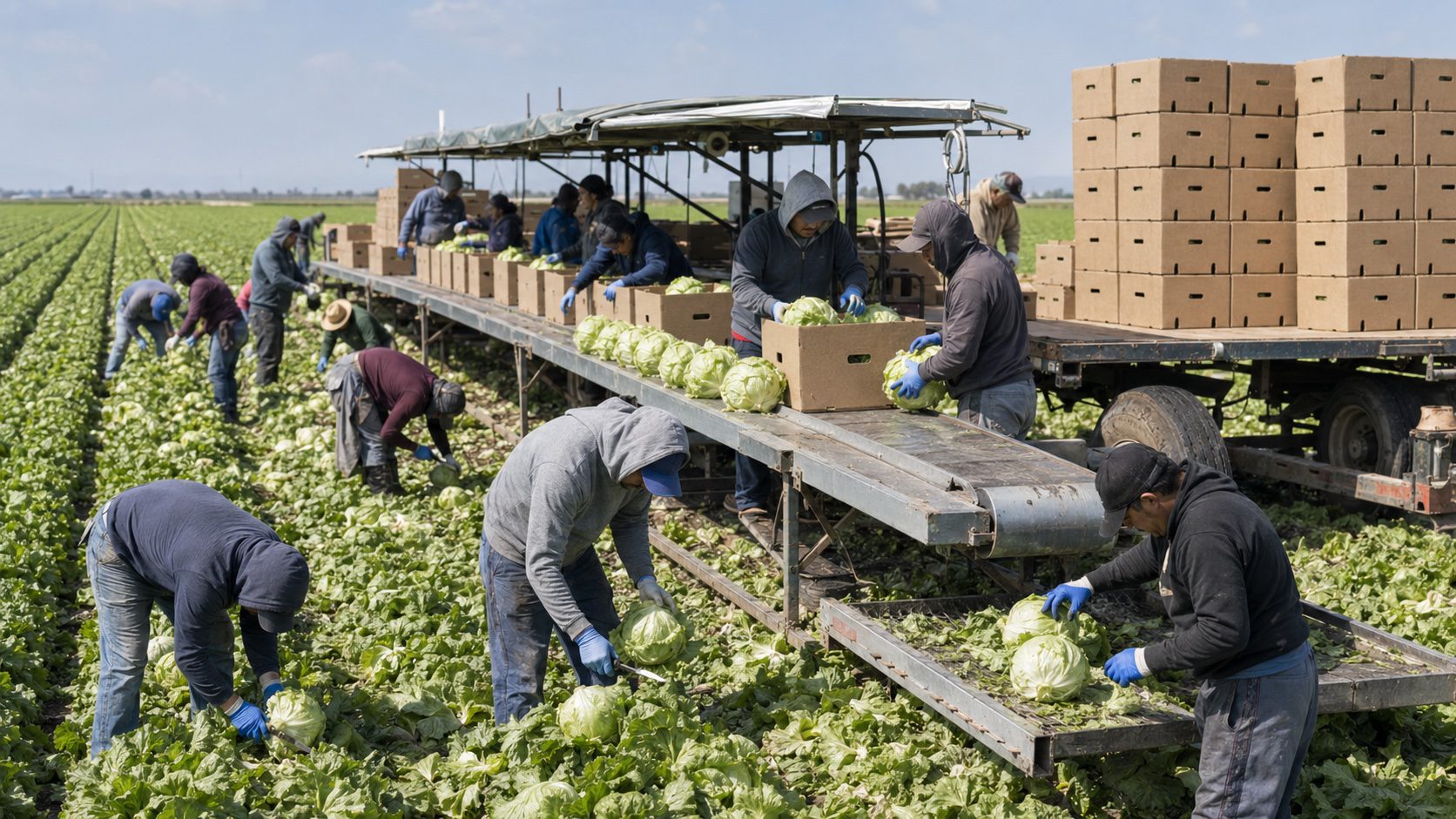
Taco Bell does not grow its own lettuce. The company obtains shredded iceberg lettuce through approved produce suppliers. Federal traceback investigators identified a common supplier of lettuce grown in Mexico, although the FDA has not publicly named the supplier, farm, growing region or processing facility. Multiple news organizations, citing sources familiar with the investigation, have identified California-based Taylor Farms as the supplier to Taco Bell. It remains unclear whether Taylor Farms grew the lettuce itself or obtained it from a contracted Mexican grower. Taylor Farms has been the source of similar parasitic issues in the past, according to the FDA.
7 Items best to avoid
Prewashed, Bagged Lettuce and Salad Mixes
Precut Fruit and Vegetables
Leafy Greens
Fresh Herbs (Specifically, Basil and Cilantro)
Snow Peas
Raspberries
Mangoes
Onions
UPDATE from the RI Department of Health, 3pm, Friday, 7-17-26
According to the RI Department of Health, “Rhode Island is not currently seeing an abnormally high number of [confirmed diagnostic] cases of cyclosporiasis. There have been 6 cases in Rhode Island to date in 2026, 6 cases in 2025, and 12 in 2024. There is no indication that any of Rhode Island’s cases this year are associated with cyclosporiasis clusters in other states, or with a common food source.
They also offer us encouragement to stay up to date on and other food recalls and outbreaks.
UPDATE from FDA on Taylor Farms:
FDA says even though sample provided by Taylor Farms yielded a false negative, there is substantial evidence to presume the lettuce that has sickened thousands around the US came from Taylor Farms and the recall holds.
___
Symptoms of Cyclospora Infection
Most people infected with Cyclospora develop diarrhea, with frequent, bowel movements. Other common symptoms include loss of appetite, weight loss, stomach cramps/pain, bloating, increased gas, nausea, and fatigue. Vomiting, body aches, headache fever may be noted. Some people who are infected with Cyclospora do not have any symptoms. If not treated, the illness may lead to dehydration and severe complications that may require higher levels of care. These complications may last from a few days to a month or longer. Symptoms may seem to go away and then return one or more times (relapse). Immunocompromised persons may experience more severe illness of longer duration along with complications requiring close medical attention.
A food safety specialist at the University of Rhode Island, Nicole Richard, leads efforts to help businesses and restaurants be food-safe for their customers. A URI research associate and food safety researcher with the University’s Cooperative Extension, shares tips on food safety that can be applied year-round for good health and stress-free dining. Richard has more than 20 years of experience developing resources and programming for businesses and consumers through URI’s Food Safety Research and Education Program and chairs the Rhode Island Food Safety Task Force.

University of Rhode Island food safety specialist Nicole Richard shares tips on food safety that can be applied year-round for good health and stress-free dining.
What should people know about cyclosporiasis and how much do we need to be concerned here in New England or if traveling to other parts of the country?
Cyclosporiasis is a foodborne illness caused by the parasite Cyclospora that primarily affects the intestines, causing diarrhea, nausea, stomach cramps, and fatigue. It is typically associated with fresh fruits, vegetables and herbs, likely contaminated by water, soil or food handlers.
Humans serve as a host for the parasite. They may not show signs of illness and can shed the parasite while handling food.
Has an outbreak like this happened to this degree before?
The United States has experienced outbreaks caused by cyclosporiasis before, but not to the magnitude of this current outbreak.
What measures do you recommend for people to protect their health and that of loved ones?
If immunocompromised or concerned about this parasite, the best advice is to wash your hands and any fresh produce thoroughly under running water before eating, cutting, or cooking. This will reduce the risk of infection. Cooking kills the parasite, so heating food to 158 degrees Fahrenheit (or 70 degrees Celsius) or higher is effective.
Is Cyclospora found in water or in food? Is eating out in restaurants safe?
Water is the transmission vehicle that carries the parasite to fresh produce.
A Cyclospora outbreak does not mean restaurants are unsafe. Outbreaks are usually linked to specific contaminated foods or suppliers; restaurants use food safety practices to prevent contamination and remove affected products. The risk is highest from the specific food items involved in the outbreak, not from eating at restaurants in general.
What about food from local farms or farmer’s markets? Is that safer than bagged grocery store lettuce shipped from another part of the country?
The risk of Cyclospora contamination is determined by food safety practices. Whether a farm is small or large, preventing contamination requires protecting agricultural water from human fecal contamination, providing adequate worker hygiene and sanitation, and following good agricultural practices.
URI’s Cooperative Extension has partnered with the Rhode Island Department of Environmental Management’s Division of Agriculture to provide Produce Safety Grower Training to Rhode Island’s agricultural community for more than two decades.
Once Cyclospora contaminates leafy greens, it is difficult to remove by washing. Refrigeration can slow bacterial growth but it does not kill the parasite.
What food safety measures do you practice in your own home and are they changing at all right now?
Check for recalls before consuming products, especially during outbreak investigations. Keep perishable produce refrigerated at 40°F (4°C) or below. Use the product before the “use by” date. Wash your hands before handling ready-to-eat foods. Avoid eating produce that appears slimy or spoiled.
How concerning are parasites in the food supply and what are some things consumers should look for to keep themselves safe?
Parasites are organisms that live off their hosts, and are different from bacteria. Parasites and bacteria are both microorganisms that can cause illness, but they differ in what they are and how they live. Bacteria can live and reproduce on their own in many environments. Parasites often require a host to complete part or all of their life cycle.
Parasites exist. Most food safety management systems focus on preventive measures to prevent, control or reduce food safety risks. For example, good agricultural practices can be followed on farms to minimize risk of contamination during growing, harvest and post-harvest handling. In food preparation, a clean environment, thorough washing, and adequate heat can help reduce risk.
Learn more about URI’s Produce Safety Education Program at uri.edu/foodsafety/farming. For more tips on food safety, see the URI Cooperative Extension website or email [email protected] to get on the email list for upcoming URI programs.