
Subscribe!
Outdoors in RI: Ant Awareness Week – Newport Secret Garden Tours – Hopkinton Acres for Recreational Use
Ant Awareness Week Reminds Homeowners That Ant Problems Run Deeper Than They Think
With fewer than 1 in 4 (24%) Americans able to identify different ant species, experts share what you should know heading into peak season.
The National Pest Management Association (NPMA) is kicking off its inaugural Ant Awareness Week, April 12-18, 2026, by shining a light on the threats these tiny pests pose to homes, businesses and health across the country. With ant activity surging in the spring and summer months, NPMA’s team of board-certified entomologists says now is the time to take these pests seriously before a small problem becomes a big one.
“People tend to underestimate ants because of their small size, and they don’t seem like a big deal at first glance,” said Dr. Jim Fredericks, senior vice president of public affairs at NPMA. “But what looks like a few ants on your kitchen counter can be the tip of the iceberg. Ant colonies can contain tens of thousands of individuals, and the nest is almost always hidden well out of sight.”
The risks vary depending on the species. Carpenter ants silently tunnel through the wood in your home, weakening structures over time. Odorous house ants can contaminate food products and are notoriously difficult to eliminate without professional treatment. Red imported fire ants deliver painful, venomous stings that can trigger severe allergic reactions and, in rare cases, can be fatal.
Tips to Get Ahead of Ants This Season
As peak ant season gets underway, NPMA recommends the following steps to help keep ants out:
- Seal entry points. Inspect your home’s exterior for cracks and gaps around windows, doors, utility pipes and the foundation. Seal any openings with caulk or weatherstripping.
- Eliminate food sources. Store all food, including pet food, in airtight containers. Clean up crumbs and spills promptly and avoid leaving dirty dishes in the sink overnight.
- Control moisture. Fix leaky pipes and faucets, as moisture attracts many ant species, particularly carpenter ants.
- Maintain your yard. Keep shrubs, mulch and vegetation trimmed back from the home’s foundation to remove easy pathways ants use to get inside.
Above all, NPMA stresses that professional help is the most reliable solution. Identifying the correct ant species requires specialized training, and the wrong treatment approach can actually make an infestation worse, causing some colonies to split and spread to multiple locations throughout a home or property. In fact, a survey conducted online by The Harris Poll on behalf of NPMA found that 31% of Americans have dealt with ant problems in their home multiple times, a clear sign that the root cause is not being addressed.
For more information on ants, how to identify an infestation and to find a licensed pest control professional in your area, visit www.PestWorld.org.
Survey Methodology
This survey was conducted online within the United States by The Harris Poll on behalf of NPMA between January 29 – February 02, 2026 among 2,087 U.S. adults ages 18+. The sampling precision of Harris online polls is measured by using a Bayesian credible interval. For this study, the sample data is accurate to within +/- 2.5 percentage points using a 95% confidence level. For complete survey methodology, please contact [email protected].
About the National Pest Management Association
The National Pest Management Association (NPMA), a non-profit organization with more than 4,000 members, was established in 1933 to support the pest management industry’s commitment to the protection of public health, food and property from the diseases and dangers of pests. For more information, visit PestWorld.org or follow @PestWorld on Facebook, Pinterest, TikTok and YouTube and @PestWorldOfficial on Instagram.
___
Secret Garden Tours in Newport
Secret Garden Tour Announces June 2026 Tour Dates
Join the Benefactors of the Arts for the June 2026 Secret Garden Tours. Take a self-guided walking tour through Newport, RI’s historic Point section June 26-28 for the 42nd Annual Tour.
The tours run daily from 10 a.m. until 4 p.m. and tickets are limited with only 350 to be sold for each day. In Spring 2014, Conde Nast Traveler Magazine named Newport, Rhode Island “one of the best walking cities in the U.S.” and specifically mentioned The Secret Garden Tour through the city’s historic Point section as one of the highlights.
Tickets are now available for the 2026 Tours and can be purchased in advance online at www.secretgardentours.org for a discounted rate of $35. Be sure to check the Facebook page www.facebook.com/SecretGardenTours for updates, events, beautiful garden photos and more.
Since 1984, the organizers and supporters of The Secret Garden Tour have been dedicated to enhancing art education and cultural programs in Aquidneck Island’s Public Schools, funding dozens of programs in music, theater and fine arts for local schoolchildren. To date, The Secret Garden Tour has given more than $1 million to Aquidneck Island students in public schools for cultural programs and the arts.
For additional information, be sure to visit the website: www.secretgardentours.org
___
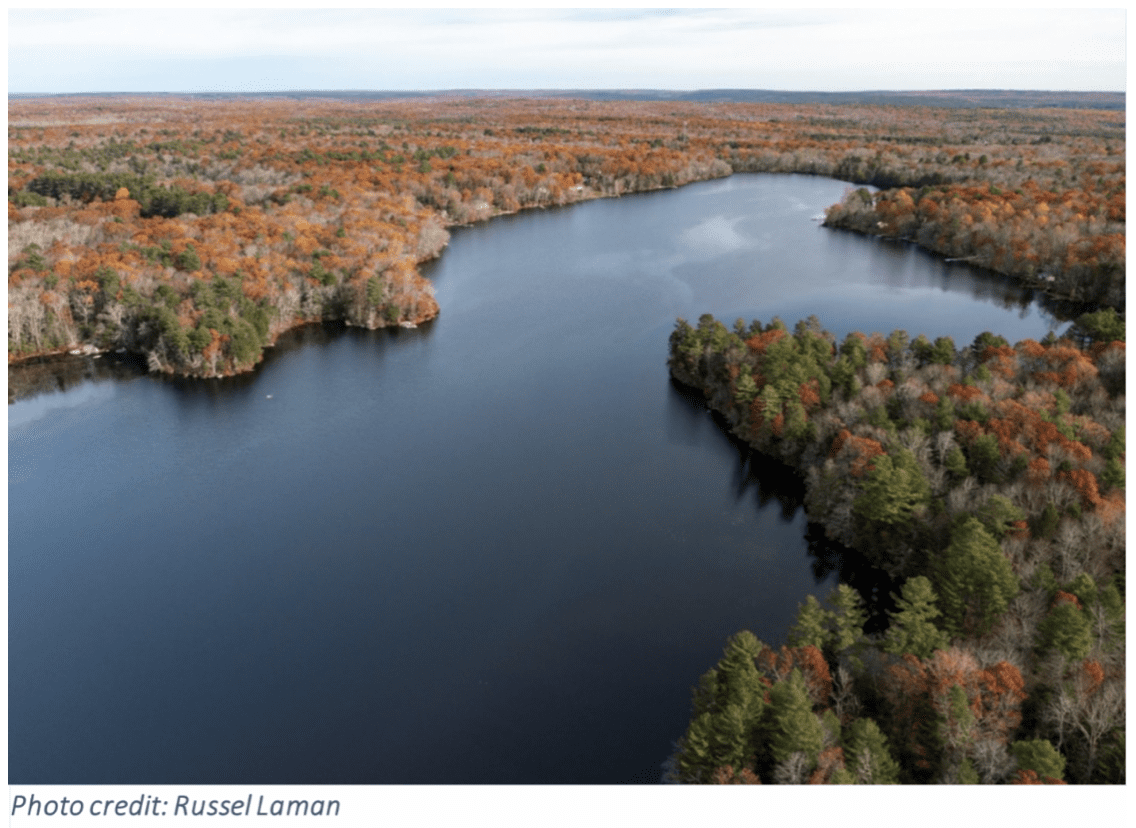
Nearly 70 Acres Conserved for Recreational Use
|