
Subscribe!
Ask Chef Walter: The Junk Fee Fever Today – Walter Potenza
by Master Chef Walter Potenza, contributing writer
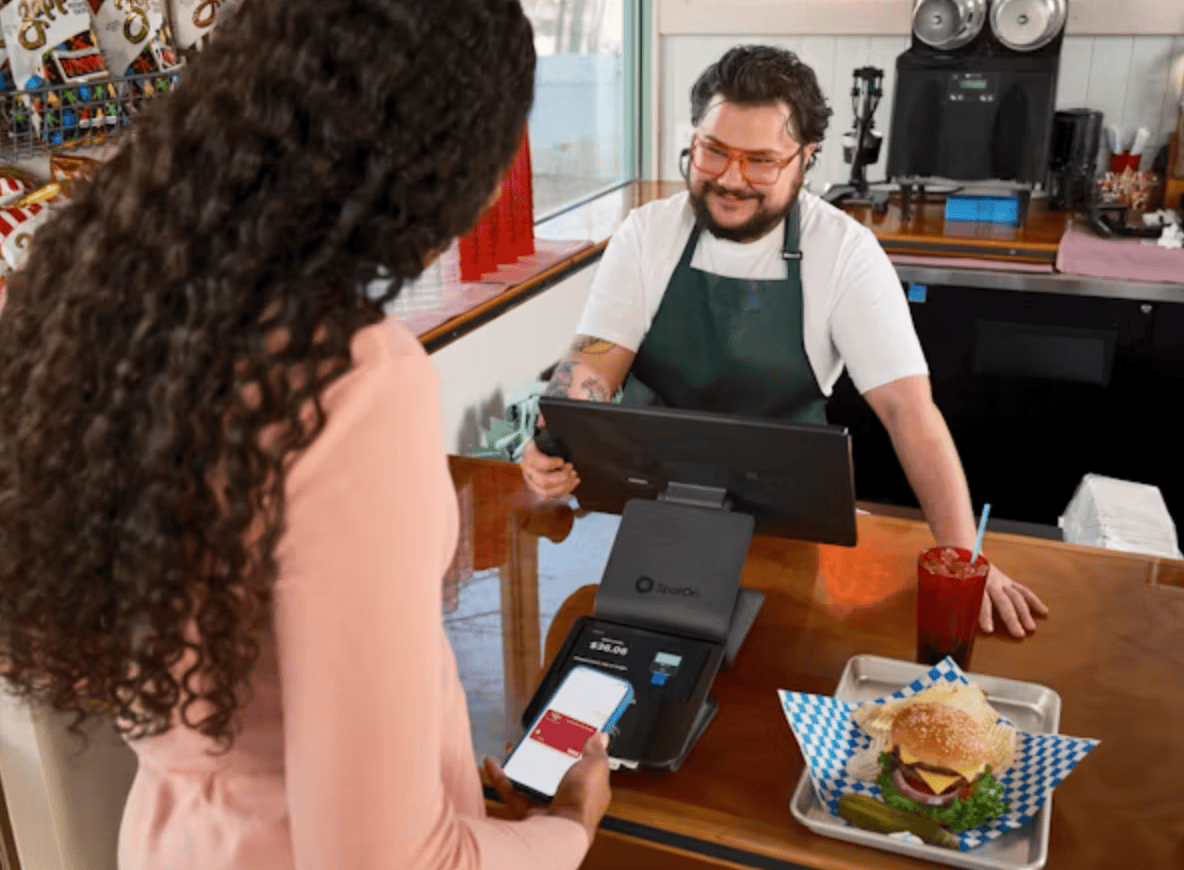
Introducing fees without clear communication is often met with adverse reactions, which can impact customer loyalty and a restaurant’s reputation.
Friends,
I’ve been chewing on something for a while now, and its finally time I said it plainly: the pandemic didn’t just change how we eat — it changed how we pay for eating, and not for the better. Walk into almost any restaurant today, family-run or white-tablecloth, and you’ll likely pay more for less, with a side of attitude that would have been unthinkable when I was running in a kitchen. Servers who once thanked you on the way out now sometimes barely look up. I keep asking myself the same question: when did courtesy become optional?
COVID gets blamed for a lot of this, and fairly so.
I’ve watched restaurants lean harder and harder on surcharges to make the math work — service fees, “kitchen appreciation” fees, fees just for using a credit card. Rising food costs, labor costs, and supply chain chaos all fed this. By the restaurant industry’s own numbers, somewhere around fifteen to seventeen percent of operators had added some surcharge to checks in recent years, and that trend hasn’t reversed. And now even ordering a coffee comes with a tip screen turned expectantly toward you before you’ve had a chance to decide if you want to leave one.
These add-ons have earned the nickname “junk fees” — the kind of charge that surprises you at the bottom of the bill rather than something you agreed to up front. For a while, it looked like Washington was going to do something serious about it. The FTC spent years building toward a broad rule that would have forced restaurants to show all-in pricing, no surprises.
Here’s where I have to correct myself and correct the record: that never actually happened for restaurants. When the FTC finalized its “Rule on Unfair or Deceptive Fees” in late 2024, restaurants were entirely carved out. The rule that survived applies to hotels, short-term rentals, and live-event ticketing — not the neighborhood trattoria charging you a three percent “kitchen fee.” Industry pressure, a change in FTC leadership, and a wave of related rollbacks (the joint-employer rule, the tip-credit rule) all worked in restaurants’ favor. So no, there is no federal law today requiring your favorite restaurant to disclose its fees before you order.
The fight hasn’t disappeared, though — it’s just moved. This spring, the FTC opened a new inquiry, this one aimed squarely at food and grocery delivery platforms rather than restaurants themselves. Regulators want to know whether the fees layered on during checkout — delivery charges, “priority” fees, service fees that may or may not reach the driver — cross the line from annoying into deceptive. It’s early; the agency is still collecting public comment. But it tells me the appetite for scrutiny hasn’t gone away; it’s just found a new target.
How the industry has reacted
Talking to fellow operators, I hear two camps. Some genuinely welcome more transparency — they see hidden fees as corrosive to the trust a restaurant depends on, and they’d rather post honest numbers than get lumped in with the bad actors. Others, understandably, worry about what mandatory disclosure would cost them in practice: more paperwork, more compliance overhead, and a squeeze that hits small independents hardest.
Then there’s the money itself: ingredient costs, wages, rent — all up, and up again. A surcharge allows an operator to absorb a cost spike without reprinting the entire menu. Take that tool away, and the alternative is a blunt menu-wide price increase, which risks scaring off exactly the customers a restaurant can least afford to lose. It’s why trade groups like the National Restaurant Association keep pushing for flexibility rather than rigid rules — they argue this business, more than most, lives on thin, unpredictable margins.
And the diners?
Here I don’t need to correct anything — the public mood hasn’t budged. People still feel blindsided when a bill arrives padded with fees nobody mentioned at the table. That frustration finds its way to Yelp, to Google reviews, to a friend’s group text, fast — and a restaurant’s reputation can take a real hit before the owner even knows there’s a problem.
What earns forgiveness is honesty. Tell me up front that a charge supports fair wages or a sustainability program, and I’ll usually pay it without complaint. Put it on the menu before I ordered, not slipped in after. Given the choice, most people I know still prefer all-in pricing — one number, no math at the table — and will quietly choose restaurants that offer it over those that don’t.
So, while Washington’s attention has drifted from the dining room to the delivery app, the underlying lesson for anyone running a restaurant hasn’t changed one bit: charge what you need to charge but tell people first. Diners don’t mind paying fairly. They mind being surprised.
___
READ “Ask Chef Walter” every Sunday in RINewsToday

Master Chef Walter Potenza
There is a constant, recognizable thread in the career of Walter Potenza to elevate the level of Italian culinary culture in the United States. Besides his unquestionable culinary talent and winning business perspective, Chef Walter has been a relentless educator with passion and knowledge who defeats stereotypes. His life, career, and values are a model, an example to follow by any chef of Italian gastronomy working outside Italy.
Chef Walter appears regularly on National and International Networks such as Food Network, ABC, CBS, NBC, RAI, FOX, and Publications such as NY. Times, Washington Post, Wall Street Journal, Food & Wine, Saveur, Gourmet, and several Italian media outlets.