
Subscribe!
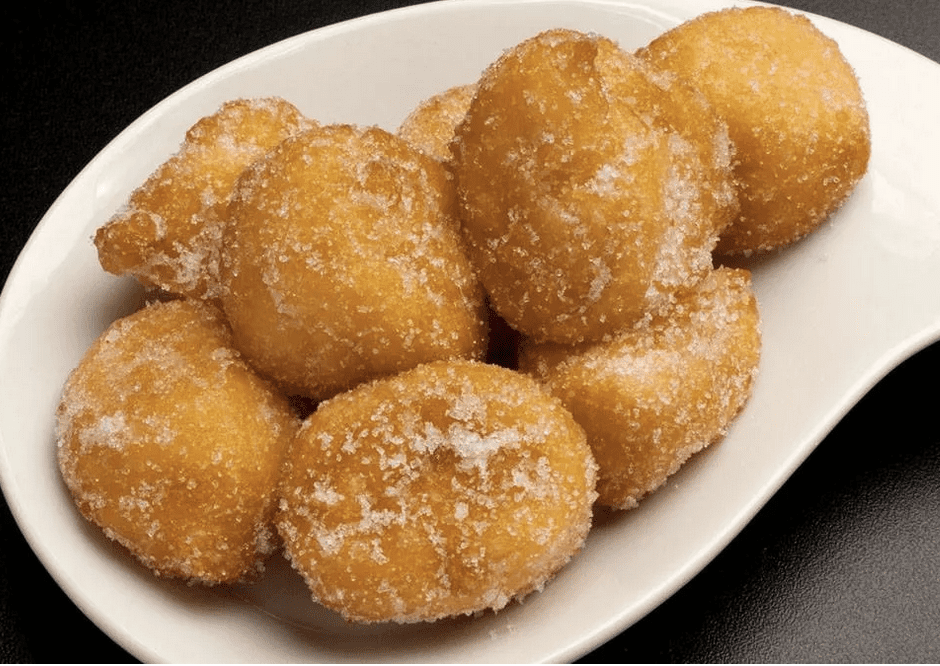
Ask Chef Walter: Rice Fritters for Carnevale – Walter Potenza
by Chef Walter Potenza, contributing writer
In Italy, the fritters are best savored warm, along with a glass of sweet Vin Santo or a strong espresso.
Readers:
Carnevale in Italy is a vibrant celebration of indulgence, serving as a final jubilant farewell before the reflective season of Lent. This lively pre-Lenten festival is renowned for its extravagant masquerades and colorful parades, where participants don elaborate costumes and intricate masks, creating an atmosphere of mystery and excitement.
Venice Carnival history
Where did the idea of Carnevale come from?
During the 40 days of Lent, parties were off-limits—and so was eating foods like meat, sugar, and fats. As a result, people would try to get rid of all of their rich food and drink (and get their partying out of the way!) before Lent. Hence,… a carnival. (In fact, the word Carnevale is said to come from the Latin words carne and vale, meaning “farewell to meatâ€!).

According to Venetian tradition, Venice’s carnival started in 1162, when townspeople celebrated a victory over the Patriarch of Aquileia. The festival declined during the 18th century, but by the 16th century, Venetians were celebrating Carnevale in style. {Source}
The streets come alive with music, dancing, and laughter as people gather to revel in the festivities. Deliciously rich and decadent treats abound, from the famed chiacchiere—crispy, sugary pastries—to sumptuous cakes adorned with masterful decorations. Carnevale is a feast for the senses, encapsulating the spirit of joy and freedom that inspires these unforgettable celebrations.
Among them, rice fritters are known by various regional names, such as frittelle di riso, tortelli di riso, or fritole di riso-hold, and hold a cherished place in Italy’s culinary tradition.
A Brief History of Rice Fritters
Arab traders in Sicily introduced rice to Italy during the Middle Ages. Subsequently, it was raised in the two fertile plains, Lombardy and Piedmont. With time, rice became increasingly essential in Italian cookery, especially for savory and sweet dishes.
The rice fritters are from Tuscany, and the first recorded recipes date back to the Renaissance. They spread over northern and central Italy, often taking on regional flavors and different ingredients. In the olden days, they were prepared in quantity for Carnevale, when people would gorge on rich foods before the privations of Lent. Crisp and golden, soft inside, and aromatic, they have become irresistible to people attending festivals of all ages.
Traditional Frittelle di Riso (Rice Fritters)
These sweet fritters are only slightly sweetened, aromatized with citrus, and sometimes powdered with sugar or drizzled with honey. Here is a classic recipe to recreate the enchantment of Italian Carnevale in your kitchen.
Ingredients:
1 cup (200g) Arborio or Carnaroli rice
2 1/2 cups (600ml) whole milk
1/2 cup (100g) sugar
Zest of 1 lemon (or orange, for variation)
1/2 tsp salt
2 tbsp unsalted butter
2 large eggs
1/2 cup (60g) all-purpose flour
1 tsp baking powder
1/2 cup (50g) raisins, optional – soaked in rum or warm water
1/2 tsp vanilla extract
Vegetable oil for frying
Powdered sugar or honey to finish
Directions
Combine the rice, milk, sugar, lemon zest, and a pinch of salt in a medium saucepan. Cook over medium heat, stirring often, until the rice soaks up the milk and becomes creamy-soft—about 25-30 minutes. Once ready, remove the pan from the heat and mix in some butter.
Let it cool to room temperature. When it’s cooled, mix in the eggs, flour, baking powder, vanilla, and the drained raisins, if using.
Next, heat vegetable oil in a deep saucepan to about 350°F (175°C). Place spoonfuls of the prepared batter into the hot oil and fry in small batches until golden brown and crispy, turning once, about 2-3 minutes per side.
Once they’re done, drain them on paper towels. Just before serving, sprinkle with powdered sugar or drizzle with honey.
In Italy, the fritters are best savored warm, along with a glass of sweet Vin Santo or a strong espresso. Street vendors and local bread shops entice travelers with their sweet aromas during Carnevale, luring them away from the festivities to taste this beloved tradition.
___
Sign up HERE for RINewsToday daily newsletter – and look for my column this SUNDAY!

Meet Chef Walter!
There is a constant, recognizable thread in the career of Walter Potenza to elevate the level of Italian culinary culture in the United States. Besides his unquestionable culinary talent and winning business perspective, Chef Walter has been a relentless educator with passion and knowledge who defeats stereotypes. His life, career, and values are a model, an example to follow by any chef of Italian gastronomy working outside Italy.
Chef Walter appears regularly on National and International Networks such as Food Network, ABC, CBS, NBC, RAI, FOX, and Publications such as NY. Times, Washington Post, Wall Street Journal, Food & Wine, Saveur, Gourmet, and several Italian media outlets.  And now – RINewsToday!