
Subscribe!
A College Campus Free for the Right Mission — A Leap of Faith for PC, Salve or Holy Cross?
Former Green Mountain College in Vermont seeks a faith-aligned future — sparking New England what-ifs.
A rare and unusual opportunity unfolding in neighboring Vermont is prompting intriguing “what-if†conversations across New England.
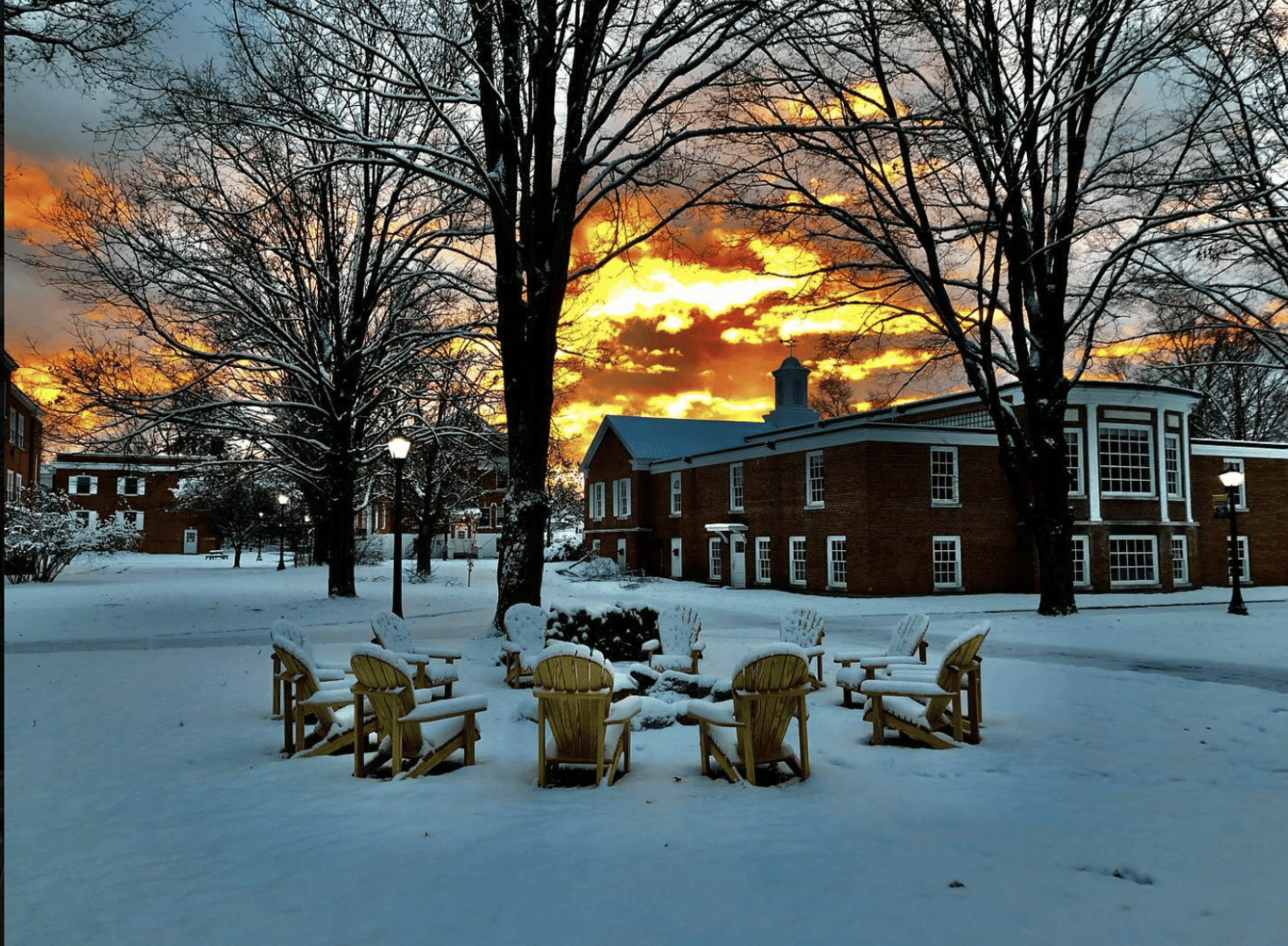
The former Green Mountain College campus in Poultney, Vermont — an historic property with more than half a million square feet of buildings and over 100 acres of farmland — is being offerA College Campus Free for the Right Mission — A Leap of Faith for PC, Salve or Holy Crossed through a national Request for Proposals as what is described as a mission-aligned gift.
Rather than simply selling the property, the proposal seeks an organization committed to advancing a vision tied to the renewal of American civic and cultural life, rooted in Christian faith and the traditions of Western civilization. The campus, which closed in 2019 amid the financial pressures facing small private colleges, could become anything from a leadership institute to a retreat and formation center, provided the recipient demonstrates both financial capacity and mission alignment.
The effort is being led by entrepreneur and former spirits executive Raj Bhakta, who purchased the campus following the college’s closure. Bhakta has publicly described his goal as preserving the historic campus while placing it in the hands of an organization capable of advancing a broader cultural and spiritual renewal mission. His framing of the property as a “purpose-driven gift†rather than a conventional redevelopment project has drawn national attention — and raised questions about what types of institutions might realistically apply.
For Rhode Islanders, the conversation quickly turns to whether one of the state’s faith-based universities could ever step into such a role. Salve Regina University and Providence College are the only Catholic universities in Rhode Island, and both share mission traditions rooted in service, ethics, and faith formation.
Salve Regina’s “Mercy” heritage emphasizes social justice and service immersion, and a rural campus could theoretically support environmental justice initiatives, leadership retreats, or service programs. Yet Salve’s identity is deeply tied to its coastal Newport setting, making expansion to a rural inland campus an unlikely strategic fit.
Providence College, however, sparks particular curiosity. The Dominican Catholic institution has long emphasized the integration of faith and reason and is nationally known for its development of the History of Western Civilization program — a four-semester core curriculum exploring the philosophical, theological, historical, and cultural foundations of Western thought. That enduring commitment to Western intellectual tradition aligns philosophically with the Vermont proposal’s emphasis on civilizational heritage. In theory, a northern campus could support leadership formation, theological study, classical education programs, or retreats centered on Catholic intellectual life. Still, the practical realities are significant: Providence College has invested heavily in its Providence campus, recently expanded with its School of Nursing & Health Sciences, and has no strategic need to operate a second residential campus hundreds of miles away.
While Rhode Island institutions provide an interesting lens, Massachusetts offers a deeper pool of potential mission-aligned schools. Gordon College in Wenham and Eastern Nazarene College in Quincy both integrate Christian leadership formation and residential community life, making them structurally aligned with a retreat, training, or formation campus model.
Yet for many Rhode Islanders, one name resonates immediately: College of the Holy Cross. The Jesuit liberal arts college in Worcester has long drawn students from Catholic high schools across the Ocean State and maintains a strong alumni presence in law, medicine, education, and public service throughout Rhode Island. Its mission-centered education and emphasis on ethics, service, and leadership reflect many of the values envisioned in the Vermont proposal. Although Jesuit institutions typically focus on immersive service programs rather than operating remote campuses, Holy Cross represents the type of faith-rooted academic tradition that connects deeply with the region.

Whether the Poultney campus ultimately becomes a leadership institute, retreat center, or faith-based educational hub, the proposal underscores a growing regional challenge: what to do with the infrastructure of closed colleges. Across New England, declining enrollment and rising costs have shuttered campuses that once anchored local economies. The Vermont offering may become a test case for mission-driven reuse — and a reminder that higher education’s future may include new models rooted not only in academics, but in formation, community, and cultural renewal.
Why only Christian mission organizations? Why couldn’t Jewish or Muslim or Buddhist or Humanist or other “religious” organizations be included?