
Subscribe!
NOAA Targets New England Fishing Rules to Strengthen Seafood Industry
NOAA is moving ahead with a new regional strategy aimed at strengthening the U.S. seafood industry, reducing regulatory burdens on domestic fishermen, increasing production, improving access, and improving profitability across American fisheries.
The effort, led by the Department of Commerce through NOAA Fisheries, follows President Trump’s Executive Order, Restoring American Seafood Competitiveness, which calls for expanding sustainable seafood harvests and making the United States more competitive in the global seafood market.
NOAA Fisheries Assistant Administrator Eugenio Piñeiro Soler announced region-specific actions in support of the executive order, including several priorities aimed directly at the New England fishing industry.
For Rhode Island and the broader New England region, the priorities include reducing industry-funded monitoring burdens, modernizing fleet capacity, re-evaluating area closures, and looking at ways to restore yield and economic viability for fishermen.
“These regional priorities are a critical step in our efforts to fulfill the President’s vision of making the United States the world’s dominant seafood leader,” said Neil Jacobs, Ph.D., NOAA administrator. “We look forward to partnering with the councils to advance seafood competitiveness and support our American fishermen.”
NOAA Fisheries said the priorities were developed after an August 2025 request for public input from fishermen, regional fishery management councils, industry groups, and other stakeholders. More than 700 individuals and organizations submitted comments, and each regional council submitted an action plan.
In New England, NOAA identified several specific actions:
- Implement rotational access for the Northern Edge scallop fishery
- Implement scallop permit stacking
- Rescind industry-funded monitoring requirements
- Deprioritize advancing requirements for ropeless gear
- Evaluate vessel baseline restrictions, in conjunction with the Mid-Atlantic Fishery Management Council
- Consider reopening the Great South Channel Habitat Management Area to surfclam operations
The New England priorities are especially significant for the region’s scallop industry, where fishermen and industry advocates have long pushed for access to the Northern Edge of Georges Bank and for more flexibility in how scallop permits are used.
Industry reaction has been favorable, especially from scallop groups.
The Fisheries Survival Fund, which represents Atlantic scallop fishermen, welcomed the move toward reopening the Northern Edge, calling it a historically important fishing ground. The group said it appreciated the administration and NOAA directive and would work to help make a responsible opening a reality.
The Sustainable Scalloping Fund also praised the announcement, saying Northern Edge access and scallop permit stacking were reforms the group had sought for years. The group said permit stacking would allow scallop permit holders to consolidate operations, cut costs, and fish more safely and efficiently.
But reopening the Northern Edge is not a simple matter.
The New England Fishery Management Council previously reviewed the issue and, in June 2024, voted to discontinue development of a Northern Edge framework. At the time, the council cited concerns about Atlantic cod, juvenile cod habitat, egg-bearing lobsters, Atlantic herring, and the long-term productivity of the Georges Bank scallop resource.
The council also noted the difficulty of finding the right season for access because peak scallop meat yields overlap with sensitive periods for juvenile cod settlement, egg-bearing lobsters, and cod spawning.
That history means NOAA’s announcement is likely to reopen a major regional debate, not end it.
Conservation groups are expected to scrutinize the New England actions, particularly any move to reopen the Northern Edge to scallop dredging and any retreat from ropeless-gear requirements.
The Conservation Law Foundation has argued that the Northern Edge is important habitat for Atlantic cod and other marine life, saying the area’s rocky seafloor helps protect young cod at a vulnerable point in their life cycle. Right whale advocates have also pushed ropeless, or on-demand, gear as one way to reduce deadly entanglements of North Atlantic right whales while still allowing some fishing access in areas that might otherwise be closed.
For fishermen, the announcement represents long-sought relief from rules and costs they say have made it harder to stay in business. For conservation advocates, some of those same rules were designed to protect fragile habitat, rebuilding fish stocks, and endangered whales.
NOAA’s announcement does not immediately open fishing grounds or finalize new rules. Many of the priorities would still have to move through federal fishery management processes, including council review, scientific analysis, public comment, and formal rulemaking.
Still, the announcement marks a clear shift in federal seafood policy — one that places greater emphasis on domestic production, fishing access, and economic relief for American fishermen.
For Rhode Island and New England, the practical impact will depend on how quickly NOAA and the regional councils move, and whether long-running disputes over scallop access, monitoring costs, whale protections, and habitat conservation can be resolved.
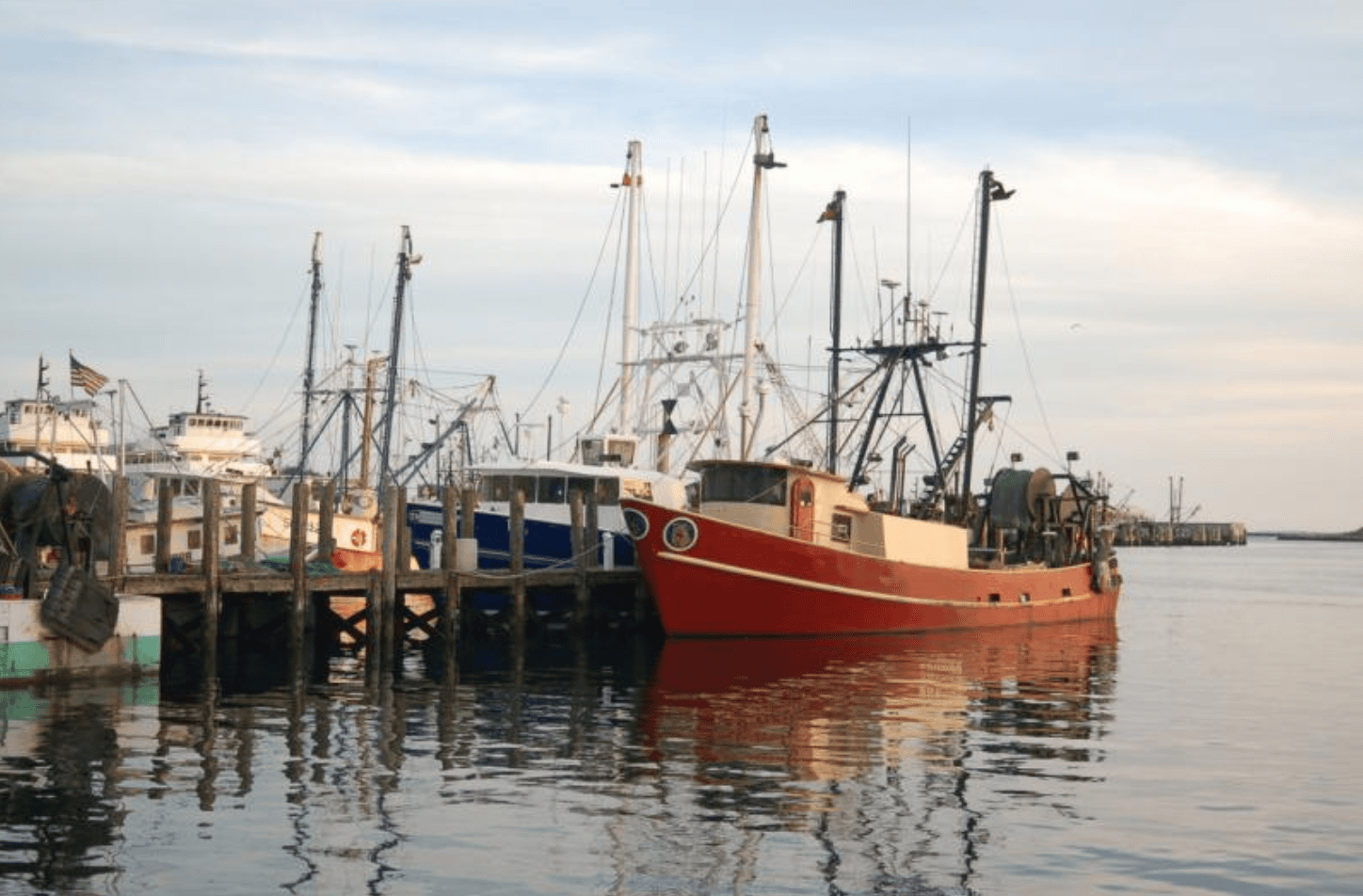
(Photo, top: Fishing vessels at Point Judith, Rhode Island. Credit: NOAA Fisheries)