
Subscribe!
Outdoors in RI: Sewage and Shellfish, Fish Parade in CF, Volunteer for Secret Garden, Dastardly Ticks, URI AG
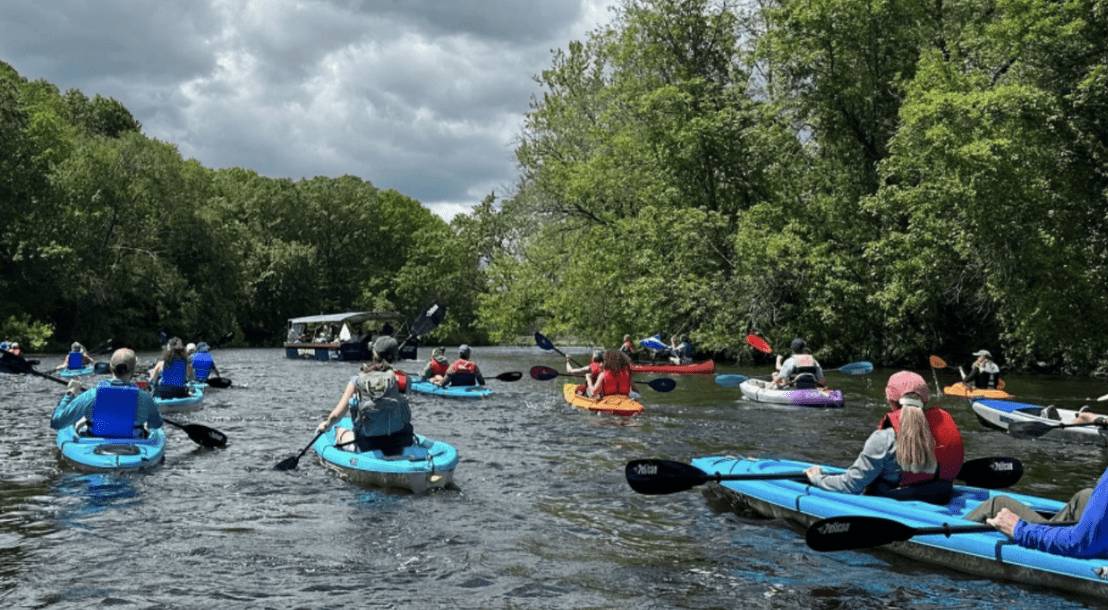
Photo, top: Blackstone Collaborative
Shellfish Area 16E Closed Due to East Providence Sewage Discharge
(On May 05, 2026)
The Rhode Island Department of Environmental Management (DEM) announces that the Lower Providence River conditional shellfish area, Area 16E, is closed immediately to shellfish harvest due to a sewage discharge from the East Providence wastewater collection system. It will remain closed until further notice.
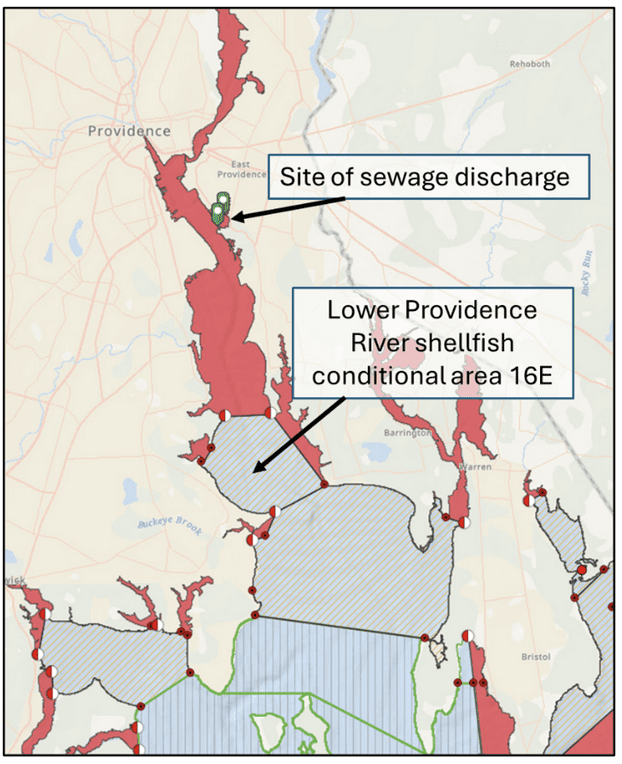
A break in a 20-inch forced main pipe near the East Bay Bike Path has resulted in approximately 800,000 gallons of untreated sewage discharging into the Providence River in the area of Watchemoket Cove. The cause of the break is unknown. DEM’s Office of Compliance and Inspection is investigating. The discharge has been significantly reduced but has not been eliminated at this time. East Providence Wastewater Treatment Facility staff continue work to eliminate the discharge and repair the leaking line. As a result, access to the East Bay Bike Path around Watchemoket Cove may be temporarily impacted during the repairs.
The discharge of untreated sewage into these waters may result in unsanitary conditions for shellfish harvest in the lower Providence River. As a result, DEM and the RI Department of Health (RIDOH) will complete required water and shellfish testing and the area will be reopened to shellfish harvesting once test results meet FDA standards for safe shellfish harvest. DEM, RIDOH, the RI Coastal Resources Management Council (CRMC), and shellfishing partners work together to maintain RI’s reputation for high-quality shellfish through careful monitoring and stewardship. This monitoring enables a quick response when conditions indicate a change in water quality.
For information on emergency and conditional area water quality related shellfish closures, call DEM’s 24-hour shellfishing hotline at 401-222-2900, visit www.dem.ri.gov/shellfish, or subscribe to DEM’s Shellfish Closure email list.
___
4th Annual Community Fish Migration Parade/Paddle!
Be The Voice of Mish(kittacuck)sepe to Bring Herring Back To The Blackstone River
What: Community Fish Migration Padding Parade
When: Saturday, May 16, 2026, 10:30 AM – 1:00 PM
Where: Central Falls Landing, 15 Madeira Avenue, Central Falls, Rhode Island 02863
Media Contact: Stefanie Covino, [email protected]
All are welcome to join us for our fourth annual Community Fish Migration Parade/Paddle on Saturday, May 16 2026!
The Spring Migration Parade celebrates the Blackstone River and raises public awareness of our shared work to restore migratory species such as herring and shad by constructing a way for fish to get around the lowest four dams on the Blackstone River. This will create a sustainable population of migratory fish by allowing them to access key spawning habitat at Valley Falls Marsh – restoring a natural phenomenon that’s been absent on the river for over 200 years – critical not only for local ecology, but also community tourism, the economy, and a critical cultural connection for tribal communities.
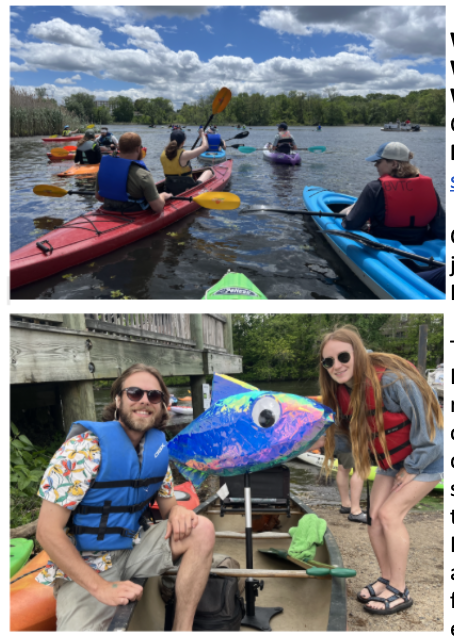
This year, we’re bringing back the popular “paddling parade” from 2025! We’re working with the Blackstone Valley Tourism Council to provide kayaks, canoes and seats aboard the 40-passenger riverboat Explorer to leave from Central Falls Landing and explore Valley Falls Marsh. Learn more and register today to save your spot at blackstonecollaborative.org/events/parade2026.
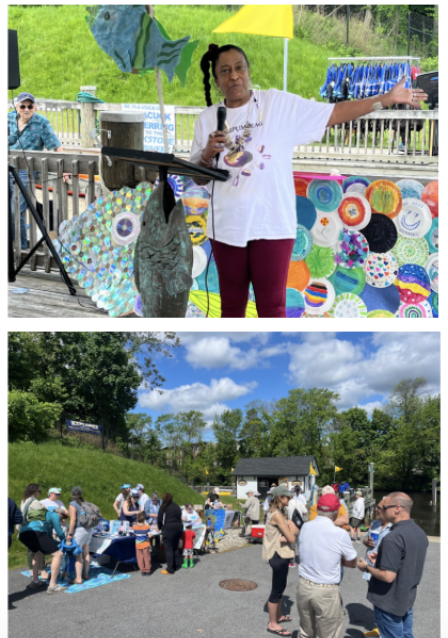
Participants will be able to make their own fish hat, get their face painted, make a fish-themed craft, and win prizes from our partners and sponsors including beverages giveaways, RI Football Club tickets, gift baskets, limited edition Blackstone art print, and more! Together, we’ll hear from local speakers on the importance of this work and enjoy Indigenous-led drumming and flute playing. Finally, we’ll paddle or take a boat ride together about 1 mile round trip from Central Falls Landing (15 Madeira Ave, Central Falls, RI 02863) to Valley Falls Marsh to explore the eventual spawning grounds for migratory fish.
All are welcome! Registration is required to reserve a kayak or a seat on the Explorer, and we ask that you register to bring your own watercraft as well. Non-boaters are welcome to join and listen to the speakers and watch from shore.
Organizing partners include Blackstone Watershed Collaborative, Save the Bay, Blackstone River Watershed Council/Friends of the Blackstone, Blackstone Valley Tourism Council, Blackstone Heritage Corridor, Blackstone River Valley National Historical Park, and members of the Blackstone River Commons Project.
Light snacks will be available for all participants. Thank you to our sponsors Horsley Witten Group, Blackstone Valley Tourism Council, Blackstone Heritage Corridor, Fishheart, Fuss & O’Neill, McClure Engineering, Tighe & Bond, T Ford Company, McClure Engineering, Narragansett Brewery, and Phantom Farms Brewing.
AGENDA
10:30 AM Check in, make your own fish hat or craft, get your face painted, and win prizes from our partners and sponsors including beverages giveaways, RI Football Club tickets, gift baskets, a limited edition Blackstone art print, and more!
11:00 AM Speaking portion highlighting the importance of this work to restore migratory fish to the Blackstone River. Speakers include the Narragansett Indian Tribe, Hassanamisco Nipmuc Band, local municipalities, and the RI Dept. of Environmental Management.
11:30AM – 12:30PM Floating Fish Parade hits the water! We’ll paddle together from CF Landing to Valley Falls Marsh (or enjoy a trip aboard about the Explorer) for about 1 mile total, while listening to renowned singer and drummer Jeff Pegram, a contemporary Native Tsalagi Nation (Cherokee) singer and composer with local roots in RI who will be aboard the Explorer as well as Mixashawn, a free Indian and wave artist, multi-instrumentalist, composer, author, activist, storyteller and educator.
1:00 PM Event ends
___
Volunteers Needed for Newport’s June Secret Garden Tour – “On The Point”
Imagine yourself sitting in a very stunning colorful garden with a variety of trees and flowers, the sun shining down, a cool breeze grazing your face, and the sound of birds happily chirping away. Sounds delightful, right?
The Newport Secret Garden Tour is looking for volunteers for the upcoming June Tours which will take place in the city’s historic Point Section on June 26–28 from 10 AM to 4 PM. These beautiful gardens, genuine labors of love that are primarily maintained by the owners, are shared with the community to help raise funds for the arts education programs in the Island’s public schools. As a thank you for volunteering, you will receive a free ticket for the tour that is valid all weekend long to visit the twelve lovely gardens on the tour. And who doesn’t love free tickets?
Generally, two host/hostesses are assigned per garden, for each 3 hour shift. Morning and afternoon shifts are available, 10-1:00 and 1:00-4. Volunteer with a friend and make a day of it. If you are interested in becoming a volunteer or have questions, please go to this link to sign up for your day and shift preference: https://buff.ly/48AaQmO
Since 1984, the organizers and supporters of The Secret Garden Tour have been dedicated to enhancing art education and cultural programs in Aquidneck Island’s Public Schools, funding dozens of programs in performing and fine arts for local schoolchildren. To date, The Secret Garden Tour has given more than $1 million to these programs.
In Spring 2014, Conde Nast Traveler Magazine named Newport, Rhode Island “one of the best walking cities in the U.S.” and specifically named the spring Secret Garden Tour through the city’s historic Point section as one of the highlights.
For additional information, be sure to visit the website: www.secretgardentours.org.
___
More on those Dastardly Ticks!
Don’t Let Ticks Limit Time Outdoors: Know the Preventive Measures to Take
Tick Awareness Week spotlights the risks associated with tick bites and tips to keep people safe
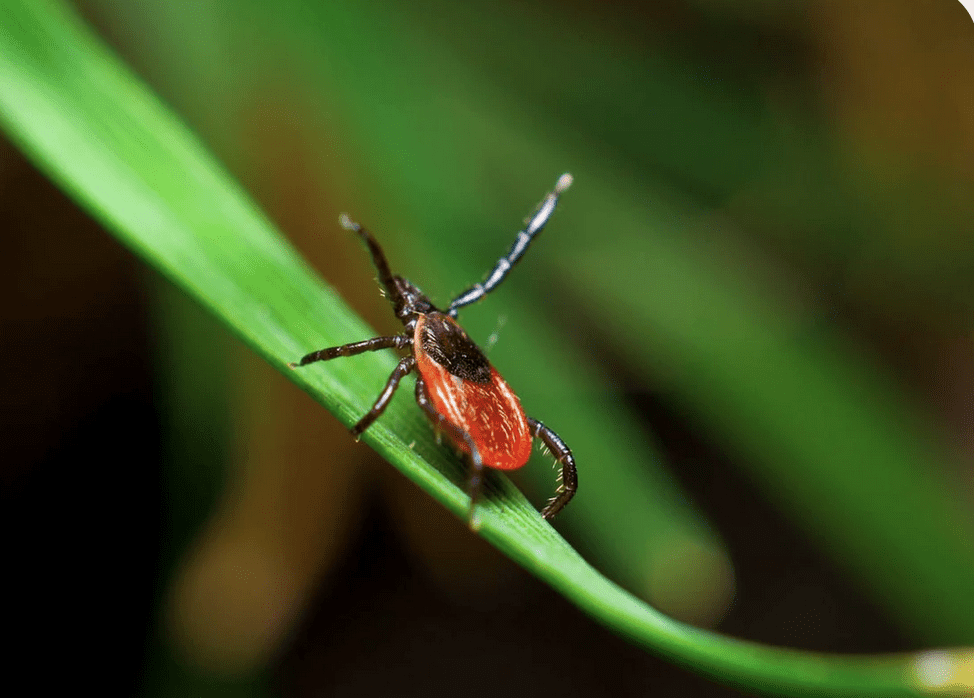
Ticks!
Ticks are making their return fast and furiously, emphasizing the need for prevention to protect Americans, their families and pets this season. During Tick Awareness Week (May 3-9, 2026), the National Pest Management Association (NPMA) is reminding Americans about the potential health threats ticks pose and the best ways to keep these parasitic pests away while enjoying the great outdoors
Lyme disease, Rocky Mountain spotted fever and alpha-gal syndrome are a few of the many diseases that ticks can put humans and animals at risk for. According to recent data from the Centers for Disease Control and Prevention (CDC), weekly visits to the emergency room for tick bites are at the highest level since 2017 for this time of year.
“Tick bites can lead to serious health consequences, including fever, chills, severe headaches and joint pain,” said Dr. Jorge Parada, medical advisor for NPMA. “These are symptoms that are easy to write off as a common cold, which is exactly why awareness matters. If you’ve had a run-in with a tick, don’t wait. Prompt removal before they have a chance to transmit diseases is one of the most important steps you can take to protect your health.”
Ticks thrive in areas with dense vegetation, including tall grass, shrubs and even tree branches. To reduce chances of unwanted encounters with ticks:
- Use EPA-approved insect repellent with at least 20% DEET on clothing and exposed skin.
- Wear light-colored, long-sleeved clothing and closed-toe shoes when outdoors in areas where ticks may be present.
- Trim grass and maintain other vegetation in yard.
- Avoid overgrown areas when participating in outdoor activities like gardening or hiking.
- Thoroughly check yourself, family, pets and clothing for ticks before going indoors.
“As we move into the warmest part of the year, tick activity will only intensify,” said Dr. Jim Fredericks, senior vice president of public affairs at NPMA. “Knowing where ticks lurk, ways to prevent exposure and how to reduce the number of ticks on your property can make all the difference in staying safe and healthy this season.”
For information on pests and to find a licensed pest control professional near you, visit www.PestWorld.org and for more tick educational resources, head to www.TickTalk.org.
About the National Pest Management Association
The National Pest Management Association (NPMA), a non-profit organization with more than 4,000 members, was established in 1933 to support the pest management industry’s commitment to the protection of public health, food and property from the diseases and dangers of pests. For more information, visit PestWorld.org or follow @PestWorld on Facebook, Pinterest, TikTok and YouTube and @PestWorldOfficial on Instagram.
___
Rhode Islanders Reminded to Take Tick and Mosquito Bite Prevention
With warmer weather now here, the Rhode Island Department of Health (RIDOH) is reminding people to take measures to prevent tick and mosquito bites when outdoors.
Avoiding tick bites prevents the transmission of Lyme disease and other tick-borne diseases, such as anaplasmosis, ehrlichiosis, and babesiosis. Mosquitoes are carriers of many diseases, including West Nile Virus (WNV) and Eastern Equine Encephalitis (EEE). Mosquito bite prevention helps keep people safe from these illnesses.
Tick-borne disease prevention
Repel
Prevent tick bites by:
- Using repellents that contain 20 to 30% DEET (N, N-diethyl-m-toluamide) on exposed skin and clothing for protection that lasts up to several hours. Always follow product instructions. Parents can apply this product to their children, avoiding hands, eyes, and mouth. DEET containing insect repellants are not recommended for use on infants under 2 months old. You can also find other EPA-approved insect repellents at https://www.epa.gov/insect-repellents/find-repellent-right-you.
- Avoiding wooded and brushy areas with high grass and leaves to avoid tick bites. If you are going to be in a wooded area, walk in the center of the trail to avoid contact with overgrown grass, brush, and leaves at the edges of the trail. You can also spray your clothes and shoes with permethrin to keep ticks away. Make sure to not spray this on your skin.
- Wearing long pants and long-sleeved shirts when outside.
- Tucking your pants into your socks so ticks do not crawl under your clothes.
- Wearing light-colored clothing so you can see ticks more easily.
Check
Check yourself, your children, and pets, for ticks by:
- Taking a shower as soon as you come inside if you have been in grassy or wooded areas.
- Doing a full-body tick check using a mirror; parents should check their kids for ticks and pay special attention to the area in and around the ears, in the belly button, behind the knees, between the legs, around the waist, and in their hair.
- Checking your pets for ticks as well because they can bring ticks into the home.
Remove
Remove ticks from your body, as well as from children and pets, if you find them.
- Use a set of tweezers to remove the tick. Grasp the tick as close to the skin as possible and pull straight up.
- If you don’t have tweezers or a tick removal spoon, use your fingers with a tissue or rubber gloves.
Most people who get Lyme disease get a rash anywhere on their body, though it may not appear right away. At first, the rash looks like a red circle, but as the circle gets bigger, the middle changes color and seems to clear, so the rash looks like a target bull’s-eye.
Some people don’t get a rash but feel sick, with headaches, fever, body aches, and fatigue. Over time, they could have swelling and pain in their joints and a stiff, sore neck; or they could develop shooting pains, numbness, or tingling in the hands or feet, or facial drooping from nerve palsy. Some people may experience heart problems. Lyme disease can be treated with antibiotics.
In 2024, Rhode Island had 2,565 cases of Lyme disease, with Washington County continuing to have the highest rate of Lyme disease in the state. Find statewide, county, and municipal tick-borne disease data on RIDOH’s tick-borne disease dashboard.
Learn more about tick-borne diseases at https://health.ri.gov/ticks.
Mosquito bite prevention
- Put screens on windows and doors. Fix screens that are loose or have holes.
- Consider rescheduling outdoor activities that occur during the evening or early morning at sunrise and sundown (when mosquitoes carrying the EEE virus are most active).
- Use EPA-approved bug spray with one of the following active ingredients: DEET (20-30% strength), picaridin, IR3535, and oil of lemon eucalyptus or paramenthane. Always read the label and follow all directions and precautions.
- Put mosquito netting over playpens and baby carriages.
- Remove items around your house and yard that collect water. Just one cup of water can produce hundreds of mosquitoes.
-
- Clean your gutters and downspouts so that they can drain properly.
- Remove any water from unused swimming pools, wading pools, boats, planters, trash and recycling bins, tires, and anything else that collects water, and cover them.
- Remove or treat any shallow water that can accumulate on top of a pool cover. Larvicide treatments, such as Mosquito Dunks can be applied to kill immature mosquitoes. This environmentally friendly product is available at many hardware and garden stores and online.
- Clean and change water in birdbaths at least twice a week.
Learn more about mosquito-borne diseases at https://health.ri.gov/mosquitoes
___
Forest to sea: URI regenerative agriculture conference welcomes attendees interested in land-to-sea connections
Second annual Rhode to Regenerative conference to be held May 27-28
Farmers, researchers, practitioners, policy makers, and community leaders will gather at the University of Rhode Island this May for the second annual Rhode to Regenerative: From Forest to Sea conference. This year’s conference, scheduled for Wednesday, May 27, and Thursday, May 28, will bring together those at the forefront of the growing field of regenerative agriculture.
-

- URI’s regenerative agriculture conference welcomes attendees interested in land-to-sea connections this May; discounts are available for farmers, veterans, and nonprofits. (URI Photos / Department of Natural Resources Science)
-
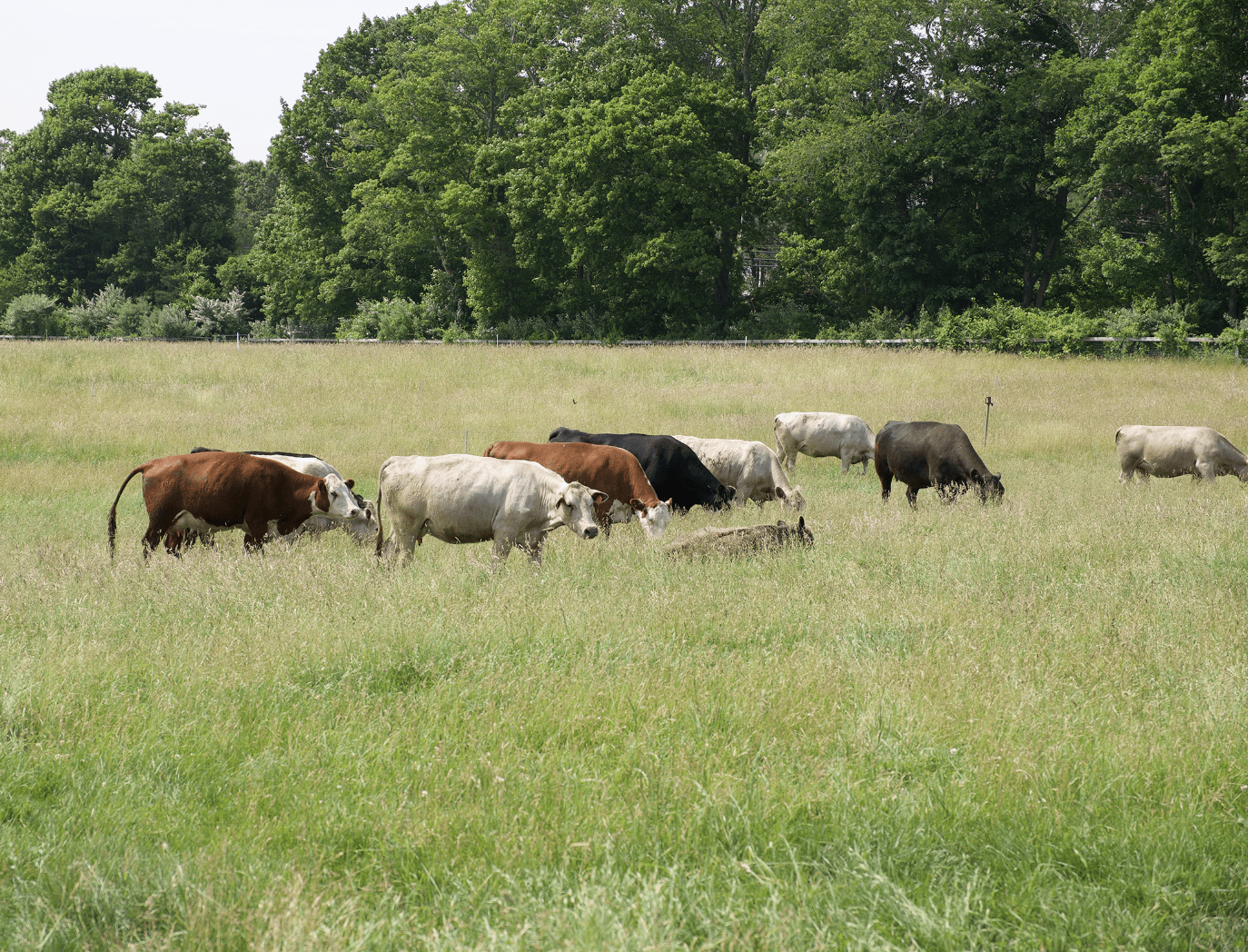
- Attendees will also get to learn about and see the University’s new silvopasture, taking shape at Peckham Farm. (URI Photo / Peckham Farm)
-

- Tarshire Battle, Roots2Empower, and Heather Angel, Narragansett Indian Tribe, are return presenters at this year’s conference
This year’s conference will spotlight ocean farming and its vital connection to terrestrial agriculture, examining how forests, farms, and coastal systems interact through shared watersheds. Programs on financing agroforestry, virtual farm mapping, funding, increasing farmland biodiversity, carbon and climate-smart forestry, Indigenous Traditional Ecological Knowledge, and building support for Indigenous agriculture in the Northeast, will be part of the conference’s agenda.
The conference’s first day will focus on regenerative agriculture talks and breakout groups. Then, on May 28, after a morning community tree planting at the URI Peckham Farm silvopasture, a small group of funders and food systems leaders will take a land and ocean farm tour across the state.
Their tour will include visits to Fidelity Investments’ campus in Smithfield, where attendees will see local agricultural innovation in action, as Fidelity feeds its employees and the surrounding community with an on-campus farm. Conference attendees will next visit Ocean Hour Farm in Newport, Blue Acres Aquaculture’s kelp farm in Narragansett, and nearby oyster farms.
URI Professor Laura Meyerson, a conference co-organizer, said the event merges academic expertise with grounded, land-and-sea-based knowledge.
She says URI hopes to build partnerships to create a Center for Agroforestry at URI, where researchers, farmers, and students from across southern New England can collaborate on regenerative land use practices.
Students are invited to share posters on connected topics and can apply by May 20.
“This is a great opportunity for local farmers and for URI students and faculty and our larger community,” Meyerson said.
Sponsors and partners include Tree Pro, Matunuck Oyster Bar, Fidelity Investments, Whalers Brewing, and Patagonia.
Discounts to attend the conference are available for farmers, veterans, and nonprofits. To learn more or to register, visit the conference’s website or email [email protected].
___