by Executive Chef Walter Potenza, contributing writer
Friends:
Pesach 2026 is here, and as someone who grew up cooking and enjoying Italian Jewish food, I want to share how Jewish cooking has shaped Italy’s cuisine for centuries. This exchange goes both ways: many Italians enjoy dishes with Jewish roots, often without knowing their origins, while Jewish cooks have adapted Italian recipes to follow kashrut, the Torah’s dietary laws. This means separating dairy from meat, avoiding certain animals like pork, rabbit, horse, and camel, and using creativity in every kitchen.
Jewish Italian cooking is more than just following rules. It’s a rich tradition shaped by necessity, history, and creativity. Some of the most famous dishes come from the old ghettos, especially Rome’s, which was established in 1555 and lasted until 1870. In these challenging times, a unique Roman Jewish cuisine developed. Dishes like Carciofi alla Giudia (deep-fried artichokes, cooked twice for extra crispiness) became famous and are now enjoyed all over Italy. Other favorites from Rome include Aliciotti con indivia (anchovies with endive) and Pizza beridde, a special flatbread made for brit milah celebrations.
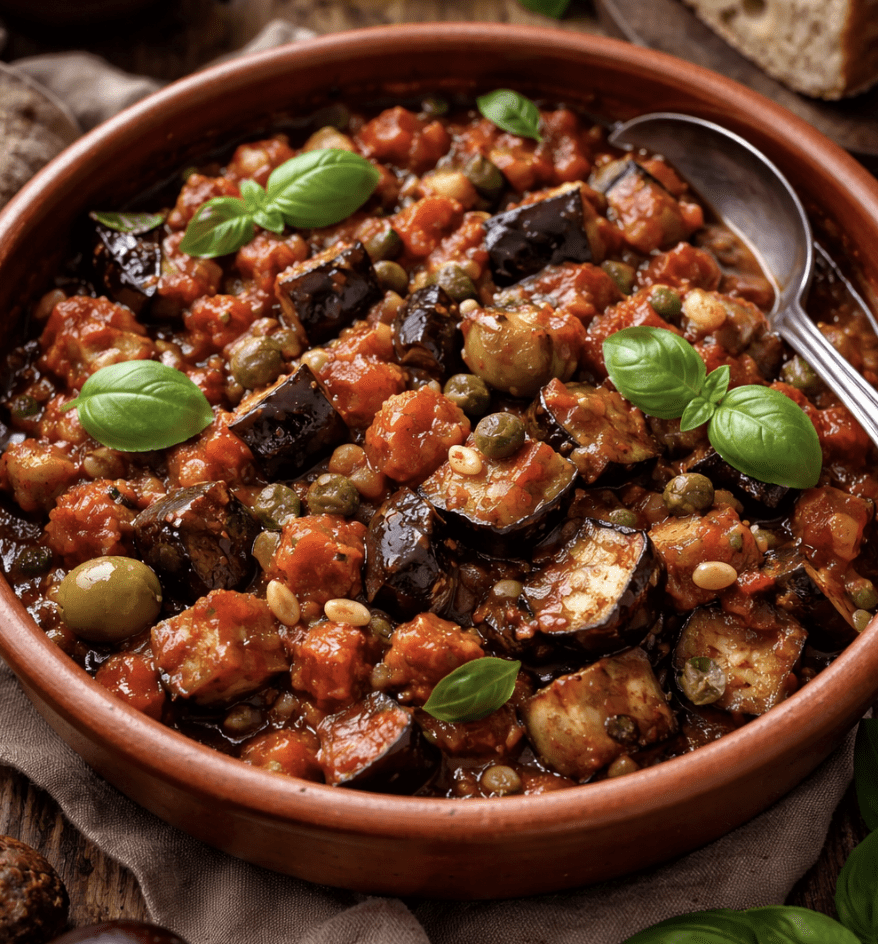
Different regions have their own Jewish food traditions. In Venice, there is sarde in saor (sweet-and-sour sardines with onions and raisins), which reflects Sephardic influence. Sicily is known for caponata di melanzane (eggplant stew), shaped by Jewish adaptations of local ingredients. In Livorno, a port city in Tuscany, kosher versions of cacciucco (fish stew) and mullet “alla mosaica” reflect the Sephardic heritage of Jews who arrived after 1492 (La Cucina Nella Tradizione Ebraica, n.d.).
Bread and sweets show clear Jewish influence, especially because of the tradition of avoiding chametz (leavened foods) during Pesach. This led to yeast-free baking that continues all year. One dessert I remember from my childhood in Italy is Pan di Spagna, a light sponge cake made with eggs, sugar, and almond flour or potato starch instead of regular flour. Its origins are debated: some say a Genoese ambassador brought the recipe from Spain in the 1700s, while others believe Sephardic Jews, expelled from Spain in 1492, introduced egg-based, unleavened sweets. Whipping yolks with sugar and folding in stiff egg whites gives the cake its airy texture without any rising agent, making it perfect for Passover and as an everyday treat.
Another favorite sweet is Bocca di Dama (meaning” lady’s mouth” or ladyfingers), flavored with orange blossom water and fruit, reflecting Sicilian Sephardic roots. Sicily, especially, shows how Jewish creativity blended with local ingredients, spices, and cooking methods to create a lasting tradition.
Jewish communities across Italy each left their own mark on local food. One special dish is Frisinsal (also called Ruota di Faraone, or” Pharaoh’s Wheel”), a baked pasta ring with noodles, small meatballs, raisins, and pine nuts. Its wheel shape recalls Pharaoh’s chariots swallowed by the Red Sea, and it is usually served on Shabbat Beshalach. This dish blends Ashkenazi, Sephardic, and Italian traditions in one flavorful meal (Nathan, 2018). Every bite tells a story of exodus, survival, and celebration.
In the ghettos, Jewish mothers taught children the Hebrew alphabet by tracing letters in honey, making learning sweet. Italian kitchens also learned from Jewish cooks: vegetables like artichokes, fennel, endive, and dandelion greens became popular thanks to Jewish innovation (Peeling Back the Layers of Italian Jewish Cuisine, 2021). Eggplant, called “melanzana” or bad-unhealthy apple” in Italian, was once viewed with suspicion, but Jewish cooks used salting and pressing to remove bitterness. This kosher technique sweetens and purifies the vegetable, reflecting the broader Jewish approach to cooking (Joseph, 2008).
This mix of flavors comes from the movement of Jewish people across regions. Sephardic and Ashkenazi traditions brought spices like cinnamon, cloves, nutmeg, honey, rose water, and dried fruits into Italian cooking, creating sweet-and-savory combinations such as agrodolce sauces with vinegar and honey. These ingredients and techniques have enriched Italian cuisine, and we still enjoy them today (Key Ingredients of Sephardic Cuisine, 2024).
Even the Passover Seder, with its ancient rituals like four cups of wine, matzah, and reclining in freedom, has a special Italian style. The Seder plate includes local Italian touches:
-
Maror and chazeret: Bitter herbs symbolizing Egyptian slavery, often a mix of greens.
-
Haroset Italian-style: A sweet paste of ground dates, oranges, raisins, and dried figs, evoking the mortar of slavery but tasting of Mediterranean bounty.
-
Carciofi alla Giudia: Crispy fried artichokes replace karpas (the dipped vegetable).
-
Mazzagne (matzah lasagna): Layered with vegetables, matzot, and lamb, standing in for thz’roaoa (shank bone) and symbolizing the Pesach sacrifice.
-
Stracciatella: Silky egg-drop soup, replacing the roasted egg (beitzah), a nod to the Temple’s loss.
-
Insalata Sefardita: A fresh salad of romaine, dill, and green onions dressed in red wine vinaigrette.
Italian Jews celebrate with joy, devotion, and enthusiasm. They cut the three matzot, hide and find the afikoman (Greek for “that which comes after”, or dessert), and share meals that honor tradition while embracing the warmth of Italy. Italian Jewish food captures the bittersweet nature of life, with flavors like vinegar and honey, and themes of exile and homecoming, restraint and abundance. Each dish tells a story of resilience, adaptation, and lasting tradition. From Roman artichokes to Sicilian caponata, these foods remind us that food is about memory, identity, and shared humanity. Chag Pesach sameach!
May your Seder be filled with sweetness and freedom.
___
Sign up HERE for RINewsToday daily newsletter – and look for my column this SUNDAY!
Meet Chef Walter!
There is a constant, recognizable thread in the career of Walter Potenza to elevate the level of Italian culinary culture in the United States. Besides his unquestionable culinary talent and winning business perspective, Chef Walter has been a relentless educator with passion and knowledge who defeats stereotypes. His life, career, and values are a model, an example to follow by any chef of Italian gastronomy working outside Italy.
Chef Walter appears regularly on National and International Networks such as Food Network, ABC, CBS, NBC, RAI, FOX, and Publications such as NY. Times, Washington Post, Wall Street Journal, Food & Wine, Saveur, Gourmet, and several Italian media outlets. And now – RINewsToday!