
Subscribe!
Beginner’s Guide to Starting a Backyard Garden from Seed: Part 3. Caring for Your Vegetable Garden – Jenn Zina
A beginner’s guide to starting a backyard garden from seed in New England: Caring for your vegetable garden after planting
By Jenn Zina, Rocky’s Ace Hardware Senior Category Manager, Garden Center
By the time your seedlings are in the ground, it can feel like the hard part is over. In many ways, though, this is when gardening really begins. The first few weeks after planting are when young vegetables settle in, build roots and start the steady growth that leads to summer harvests. For beginners in Rhode Island and across New England, a little attention during this stage can make a big difference.
Part 1 of this series focused on planning your garden, choosing the right crops and starting seeds at the right time.
Part 2 covered transplanting seedlings into your backyard garden.
This final article is all about what comes next: how to care for your garden after planting so it stays healthy, productive and manageable through the season.
Water deeply and consistently
Watering is one of the most important tasks after planting, especially during the first few weeks. Young seedlings need steady moisture while their roots spread into the surrounding soil. If the soil dries out, plants can become stressed and growth can slow.
The goal is to water deeply enough that moisture reaches the root zone. A quick sprinkle on the surface usually is not enough. In most backyard gardens, vegetables do better with a deep watering a few times a week than with shallow watering every day. The exact schedule depends on rainfall, temperature, soil type and how much sun your garden gets.
A good time to water is early in the morning. That gives plants moisture before the heat of the day and allows leaves to dry quickly. Wet foliage that stays damp into the evening can encourage disease, especially during humid Rhode Island summers.
One simple way to check if your garden needs water is to stick your finger into the soil a couple of inches down. If it feels dry at that depth, it is time to water.
Add mulch once the soil warms
Mulch is one of the easiest ways to make garden care simpler. After your transplants are established and the soil has had a chance to warm, apply a layer of mulch around your plants. Straw, shredded leaves and untreated grass clippings are common choices for vegetable gardens.
Mulch helps hold soil moisture, keeps weeds down and reduces splashing from rain or watering, which can spread soil-borne disease onto leaves. It also helps regulate soil temperature during the ups and downs of a New England growing season.
Leave a little space around each plant stem so moisture does not collect right against it. A light layer is enough for young plants. You can add more as the season progresses.
Feed plants thoughtfully
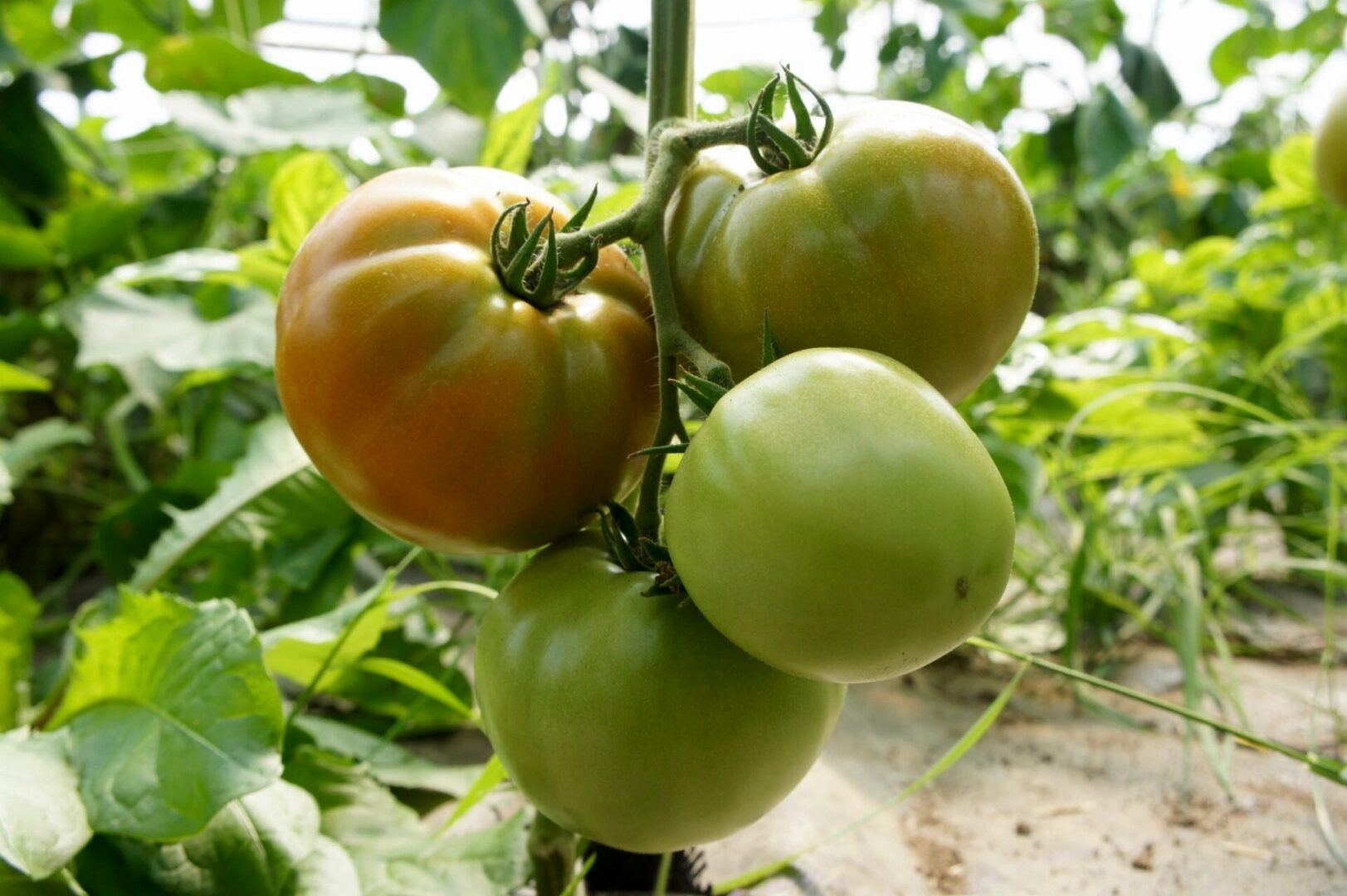
Healthy soil does a lot of the work in a vegetable garden. If you added compost before planting, your garden already has a strong start. As plants begin active growth, some vegetables benefit from extra nutrients, especially heavy feeders like tomatoes, peppers, squash and cucumbers.
The key is to not overdo it. Too much fertilizer can lead to lots of leafy growth and fewer vegetables. It can also stress young plants.
A balanced vegetable fertilizer or additional compost can help support steady growth. Follow package directions carefully and pay attention to what each crop needs. Leafy greens often need less feeding than fruiting plants. If your plants look healthy and green and are putting on growth, that is a good sign your soil is supporting them well.
Stay ahead of weeds
Weeds compete with vegetables for water, nutrients and sunlight. They are much easier to manage when they are small, so regular light weeding is more effective than waiting until the garden is overrun.
A few minutes every couple of days can save a lot of work later. Pull weeds after rain or watering when the soil is softer and roots come out more easily. Mulch helps with this too, since it blocks many weed seeds from sprouting in the first place.
Keeping weeds under control also improves airflow around your plants and makes it easier to spot early signs of pests or disease.
Watch for pests and problems early
You do not need to inspect every leaf every day, but it helps to keep an eye on your garden as you water and weed. Early action is often the best action.
Look for signs like holes in leaves, wilted plants, sticky residue, yellowing foliage or stems that look chewed near the soil line. Common garden pests in New England can include slugs, aphids, flea beetles, cucumber beetles and cabbage worms, depending on what you are growing.
The best first step is identifying the problem before reaching for a solution. Hand-picking pests, using row cover, improving airflow and watering properly can solve many beginner garden issues. Local garden centers are a great resource if you are not sure what you are seeing.
Plants can also struggle from weather stress, overwatering or inconsistent moisture, so not every problem is caused by insects.
Support plants before they need it
Some vegetables grow quickly once summer arrives. Tomatoes, pole beans, cucumbers and peas all benefit from support. Adding cages, stakes or trellises early is much easier than trying to squeeze them in after plants get larger.
Supporting plants helps keep leaves and fruit off the ground, improves airflow and makes harvesting easier. It also saves space, which is especially helpful in smaller backyard gardens.
Tomatoes should be staked or caged early so roots are not disturbed later. Cucumbers can be trained up a trellis, and peas and beans will climb with a little guidance as they grow.
Harvest often and keep plants productive
One of the best parts of vegetable gardening is harvest, and picking regularly actually helps many plants keep producing. Beans, cucumbers, zucchini, peppers and herbs all benefit from frequent picking. If vegetables sit too long on the plant, the plant may slow down because it thinks its job is done.
Leafy greens can often be harvested a little at a time. Herbs grow fuller when clipped regularly. Radishes and lettuce are best when picked young and tender.
Harvesting often also helps you stay connected to the garden. You will notice changes more quickly and catch any issues before they turn into bigger problems.
Expect a learning curve
Every garden teaches you something. A few plants may thrive while others struggle. One area of the yard may dry out faster than expected. A late cold snap, a stretch of heavy rain or a hungry pest can all affect the season. That does not mean you failed. It means you are learning how your garden behaves.
Starting a backyard vegetable garden from seed is rewarding because it gives you a front-row seat to the whole process, from planning and planting to watering, growth and harvest. Even small wins count. A handful of fresh basil, your first ripe tomato or a row of crisp lettuce is a success worth celebrating.
A season of progress, one step at a time
Gardening in Rhode Island and throughout New England comes with its own timing, challenges and rewards. The good news is that beginners do not need to know everything at once. Success comes from paying attention, staying consistent and making simple adjustments as the season unfolds.
If you followed along with this three-part series, you now have the basics: how to plan your garden, how to transplant seedlings and how to care for your vegetables after planting. With those fundamentals in place, you are ready to keep learning right in your own backyard.
And if you have questions along the way, your local Rocky’s Ace Hardware garden center can help with seeds, soil, tools, plant supports and practical advice for growing in New England.
___
Part 2:
https://2×8.ea2.myftpupload.com/beginners-guide-to-starting-a-backyard-garden-from-seed-part-2-transplanting-seedlings-jenn-zina/
Part 1:
https://2×8.ea2.myftpupload.com/beginners-guide-to-starting-a-backyard-garden-from-seed-part-1-planning-jenn-zina/