
Subscribe!
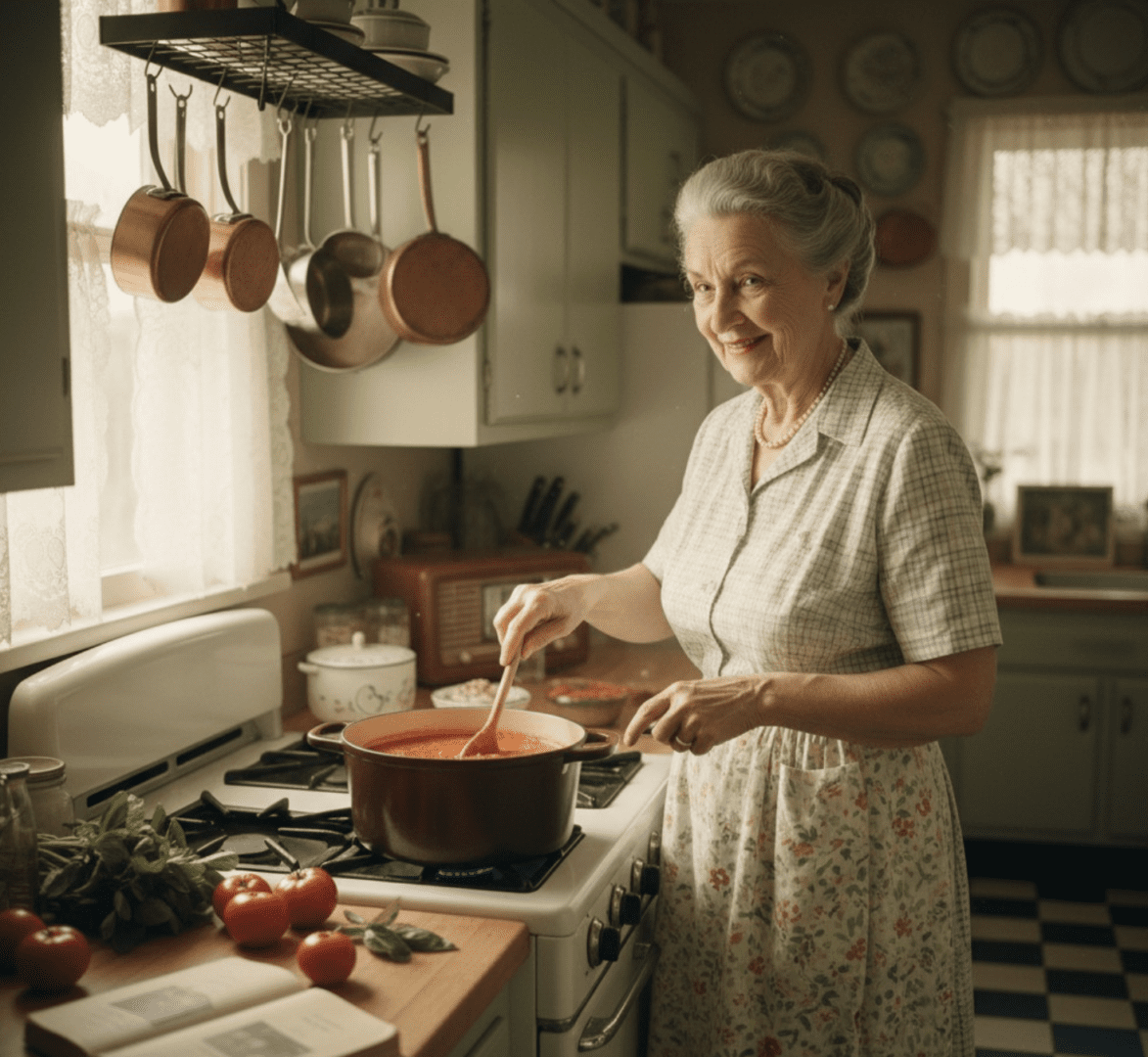
Ask Chef Walter: The Historical Role of Women in the Kitchen – Walter Potenza
by Chef Walter Potenza, contributing writer
The Historical Role of Women in the Kitchen – Exploring the Social and Cultural Roots of Gendered Culinary Traditions
Friends:
March 8, celebrated around the world as International Women’s Day, is a time to recognize the achievements, resilience, and contributions of women in every sphere of life. From leadership and education to science, art, and family life, women continue to shape societies and inspire progress across generations. This day is not only a celebration but also a moment to reflect on the ongoing journey toward equality, respect, and appreciation for the many roles women play.
In tribute to this important occasion, this article focuses on one of the most familiar yet often underappreciated spaces where women have long demonstrated creativity, care, and cultural influence—the kitchen. The kitchen has historically been a place where women nurture families, preserve traditions, and express identity through food. By exploring the role of women in the kitchen, this piece honors the dedication, skill, and cultural legacy women bring to everyday life.
As we mark International Women’s Day on March 8, this reflection serves as a small tribute to the countless women whose work in kitchens around the world continues to sustain families, strengthen communities, and keep culinary traditions alive.
Throughout my career in the restaurant industry, I have owned and operated a dozen diverse establishments. In these kitchens, I have worked with remarkable women in key leadership roles, reflecting a significant yet often underappreciated shift in dining culture. As the industry evolves to embrace diversity, it mirrors broader movements toward inclusivity in the workforce.
According to a report by the National Restaurant Association, women now hold nearly 50% of all foodservice management positions, showing progress but also highlighting gaps in higher leadership roles. This aspect of our team often goes unrecognized, and many diners are unaware of the talented individuals behind the kitchen walls who craft the meals they enjoy. These women bring creativity, passion, and expertise to the culinary experience, and their contributions deserve to be acknowledged and celebrated. Practical steps can help recognize women leading in culinary spaces. Establishments can hold regular recognition events, highlight achievements in newsletters, or create social media campaigns to celebrate their contributions. Students and colleagues can support women by advocating for fair recognition, seeking mentorship from female leaders, and creating platforms to share successes and stories. Empowering future chefs and culinary leaders will anchor equality as a core principle in kitchen
From the dawn of civilization, women have been the heart and soul of the kitchen, infusing love, nourishment, and tradition into each dish they make. Across cultures, they have established culinary traditions, and an interplay of social, economic, and cultural conditions determines their central role as the hearth of the home. For instance, archaeological evidence from the ancient Aztec civilization reveals that women were responsible for milling maize into masa, a cornerstone of their diet, using stone tools that were integral to their culinary practices. Similarly, records from the Song dynasty in China highlight women’s expertise in preparing elaborate banquets, showcasing their crucial role in both home and imperial kitchens.
Many years ago, while men went out to the hunt or worked the fields, women, driven by necessity and custom, tilled the land’s bounty and transformed it into nourishing meals that sustained both body and spirit. Cooking evolved as an extension of their role as nurturers, a loving responsibility to care for their families, with recipes lovingly passed from mother to daughter through the years. Yet this was not a solitary task, but a refined art form over time, a delicate skill that sustained entire communities.
Social norms, deeply rooted in tradition, portrayed women as the angels of the house, upheld by religious texts, folklore, and later by media that idealized them as homemakers. The Church, rigorous in its teachings, installed women as wives and mothers and demonized anyone who stepped out of these roles as rebels or witches.
Economic conditions also shaped this narrative: men’s labor in agricultural and early industrial societies took them outside the home, while women ruled the hearth and house. The kitchen was their domain, where their proficiency flourished, yet it remained largely invisible and unacknowledged compared to the compensated culinary arts dominated by men. Women’s presence in domestic kitchens fostered a perception of tradition over talent, undervaluing their contributions and skills. Contrasting unpaid domestic labor with the monetized sphere of professional cooking highlights disparities in recognition and value. While professional chefs earned prestige and compensation, the value of household culinary labor was often dismissed or unseen, despite its essential role in nurturing families and communities.
Nevertheless, their flame could not be doused. By the Renaissance, women were finding a place beyond the home, their talents reaching the busy kitchens of taverns and inns. Art of the era captured their subtle power: women stirring cauldrons and kneading dough, even as their contributions were minimized. Cristoforo da Messisbugo, in his “Libro Novo,” denigrated their skill, noting that any “vile woman” could make a plain soup. This wording is more than an insult; it acts as gatekeeping that undermines women’s expertise. Such language tries to diminish and control the narrative of women’s pivotal role in culinary history, perpetuating outdated notions and resisting acknowledgment of their genuine craft and influence.
Figures like Trotula of Salerno, a 12th-century physician, infused food with wisdom as she penned recipes alongside health advice in her groundbreaking treatise. Bartolomea Sacchi, known as La Columba, and the women who inspired Maestro Martino’s seminal cookbook extracted the essence of Italian cuisine, their recipes echoing through the centuries. Renaissance queen Catherine de’ Medici brought Italy’s culinary wealth to France, ushering in a cohort of Italian chefs who irretrievably altered the country’s gastronomic landscape.
The French Revolution brought about momentous change, opening up professional kitchens to women, who were often underpaid and referred to as “mère” rather than “chef,” their craft reduced to fit social expectations. In Italy, where the culinary arts run in the blood, women persisted, their determination as much a necessity as the ingredients they molded. Their voices have grown louder today. Eugénie Brazier, the mother of modern French cuisine, broke ceilings with her three Michelin stars, a bright beacon of possibility in France.
Meanwhile, on the other side of the Atlantic, Julia Child entered America’s living rooms in the 1960s, sharing her passion for cooking and welcoming families back to the kitchen just as fast food threatened the magic of home cooking. Her timing resonated with societal changes, such as the rise of dual-income households, that influenced domestic time budgets and led many to seek efficient yet meaningful ways to connect over meals. With every chop and stir, she showed the world that cooking is love made visible, offering a counterbalance to the fast-paced shifts in lifestyle and embedding herself in the cultural fabric of American life.
Women worldwide continue to rise today, with their names shining among Michelin stars. However, their numbers remain limited compared to their male colleagues. They grace television screens, teach traditional methods, and inspire a new wave of cooks to delight in the kitchen, filling the void left by vanishing family recipe books.
Women have been the heart of cooking since Neolithic times, shaping not just meals but also moments, memories, and dreams in home kitchens and restaurants. Their story is one of unsung triumphs, highlighting their strength in overcoming hardship and leaving a legacy that calls us to gather, create, and celebrate the beauty of a shared table. Ultimately, it doesn’t matter who is deemed “better” at cooking; what truly matters is who stands at the stove. Passion and experience always shine brighter than stereotypes.
Let us shift the narrative from questioning innate abilities to focusing on creating equal opportunities for women in the culinary world. How can we ensure that women’s contributions are equally recognized and valued, and what steps can we take to overcome longstanding biases in professional kitchens?
Understanding the Pay Gap:
Why Women Earn Less Than Men in Commercial Kitchens
In commercial kitchens, women often earn less than their male counterparts. Research from 2024 by the U.S. Bureau of Labor Statistics shows women chefs make a median salary of $45,000, while men earn around $56,000. This gap of about 20-25% is concerning and highlights underlying disparities. It is important to note whether these median salaries account for factors such as tenure, restaurant type, or region, as differences in these variables can significantly impact earnings. This clarification helps ensure a more accurate understanding of the reported pay gap, bolstering the data’s reliability and preempting potential counterarguments. Over the past decade, this gap has shown minimal improvement. In 2014, the pay gap was around 25-30%, indicating slight progress but not enough to close the disparities. Factors contributing to this trend include persistent stereotypes and slower rates of promotion for women in managerial roles.
A big part of this issue stems from ingrained stereotypes. Men are often recognized as “chefs,” reflecting expertise, while women are viewed simply as “cooks.” This distinction affects hiring and promotions, keeping women in lower-paying roles, such as pastry chef. Despite the skill required in pastry work, it is often undervalued compared to other culinary roles. For example, the artistry and precision required to create delicate pastries are often overshadowed by the perception that they are less challenging. Renaming or reclassifying roles, such as calling pastry chefs ‘dessert architects’ or ‘culinary artisans’, could shift perceptions and highlight the value of their expertise and creativity. Currently, only 22% of head chefs are women, yet they fill 40% of the less lucrative kitchen positions.
Many women face challenges balancing long, unpredictable work hours with childcare responsibilities, making it difficult to advance or stay in the industry. Some progressive kitchens have begun to implement more flexible scheduling policies to address this. For example, the acclaimed restaurant ‘Culinary Haven’ in New York City introduced a scheduling system that allows staff to trade shifts or work reduced hours while maintaining their career paths. This approach has benefited employees and improved job satisfaction and retention rates. Also, while men often feel empowered to negotiate salaries, many women find it more difficult due to social expectations, which can lead to lower starting salaries.
It’s also important to acknowledge that culinary schools and apprenticeship programs have not always been welcoming to women, sidelining them from valuable networks and opportunities. Plus, a survey by the James Beard Foundation in 2022 indicated that 60% of women chefs experienced gender-based harassment at work, making their career advancement even more difficult.
Male chefs are often celebrated for their reputations in higher-end restaurants that offer better pay. At the same time, women usually work in casual dining environments. However, there is hope. Mentorship and diversity programs are emerging as valuable solutions that could help bridge this wage gap, even if progress sometimes feels slow.
By raising awareness and supporting these initiatives, we can work together to create a more equitable kitchen environment for everyone!
___
Sign up HERE for RINewsToday daily newsletter – and look for my column this SUNDAY!

Meet Chef Walter!
There is a constant, recognizable thread in the career of Walter Potenza to elevate the level of Italian culinary culture in the United States. Besides his unquestionable culinary talent and winning business perspective, Chef Walter has been a relentless educator with passion and knowledge who defeats stereotypes. His life, career, and values are a model, an example to follow by any chef of Italian gastronomy working outside Italy.
Chef Walter appears regularly on National and International Networks such as Food Network, ABC, CBS, NBC, RAI, FOX, and Publications such as NY. Times, Washington Post, Wall Street Journal, Food & Wine, Saveur, Gourmet, and several Italian media outlets. And now – RINewsToday!