
Subscribe!
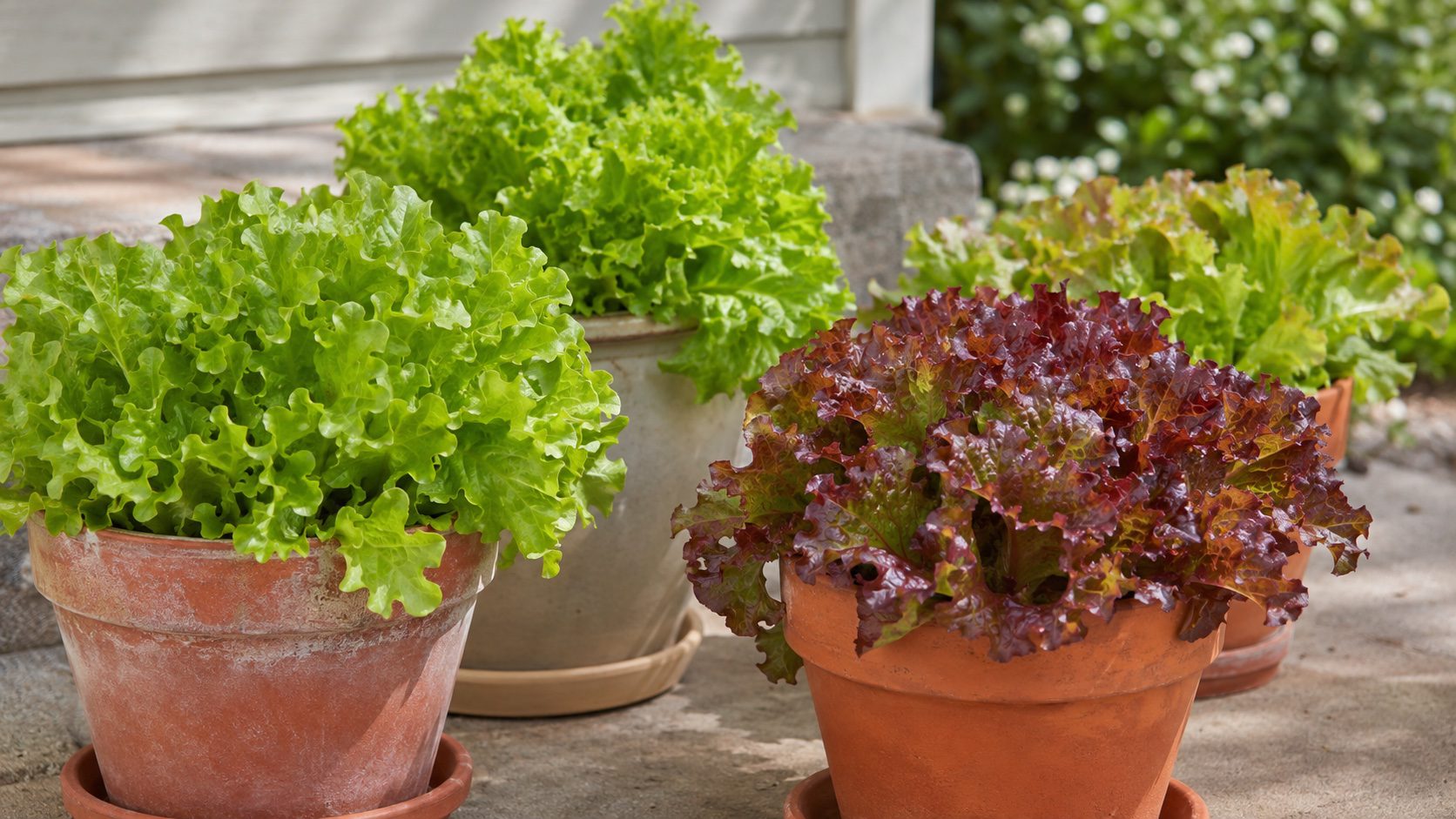
The $10 Salad Garden: Time to Grow Our Own Lettuce – in a Flowerpot
UPDATE: On July 19, the FDA withdrew its earlier report that a lettuce sample supplied by Taylor Farms de Mexico had tested positive for Cyclospora. After reexamining the test, FDA laboratory experts determined that it was a false positive. There are currently no confirmed positive product samples.
What does this mean?
The recall remains in effect – and expanded to 27 states – because epidemiological evidence and the FDA’s traceback investigation converged on shredded iceberg lettuce supplied by Taylor Farms de Mexico. The investigation into the precise source and point of contamination remains ongoing.
___
As iceberg lettuce is recalled under retail and food-service labels, growing fresh leaf lettuce at home may be easier than you think. And until the exact source of the contamination is identified, this might be the way to go!
The lettuce in two different stores may come in different bags, carry different names—and sell for different prices—while coming from the same large processor.
We looked at prices of the Taylor Farms brand:
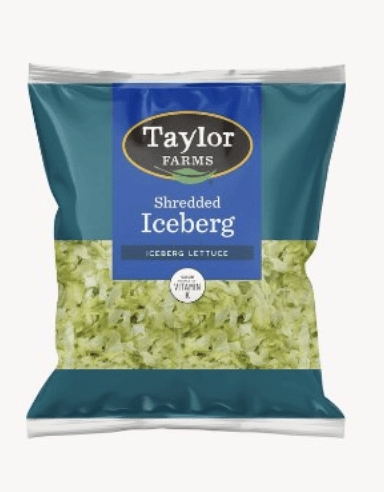
An eight-ounce bag of Taylor Farms shredded iceberg lettuce was recently listed at Whole Foods for $3.19.
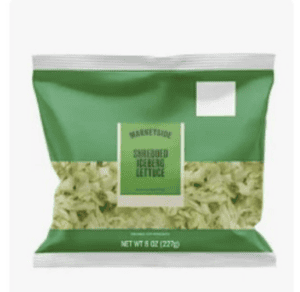
At Walmart, an eight-ounce bag of Marketside shredded iceberg lettuce, produced by Taylor Farms, was listed for $2.32.
That is an 87-cent difference for the same amount of shredded iceberg.
The comparison does not mean that both products pictured are part of the current recall (but they probably are or may soon be as Walmart has recalled their lettuce products produced by Taylor as well).
It does illustrate how one processor can supply lettuce sold under its own name, a supermarket’s private label and numerous food-service labels.
It’s important to know that it is not the food that is the problem – it is the planting, cultivating, picking and packaging process that is the problem. And multiple “white labels” can all come from the very same fields.
And that brings us to a timely question: Can – and should – we grow some of our own? Especially while this is all sorted out.
When it comes to leaf lettuce, the answer is yes. You do not need a vegetable garden, expensive equipment or even much space. A flowerpot, a bag of potting mix, a packet of seeds and a little water can become a small salad garden. And picking it leaf by leaf leaves the plant continually growing for some time – no need to wait for a head to form, be picked and then die.
The Taylor Farms recall
Taylor Farms recently voluntarily removed iceberg lettuce sourced from central Mexico because of possible contamination with Cyclospora, a microscopic parasite that causes an intestinal illness. The suspicion was confirmed a few days later (only to be determined to be a false positive). And now a known connection to lettuce served at Taco Bells. Taco Bell has announced a change in their menu, nationwide, to remove the implicated type of lettuce from Taylor Farms.
According to the FDA recall announcement, the lettuce was distributed from June 29 through July 16 in 27 states, including Massachusetts, Connecticut and New Hampshire. Rhode Island was not listed as a direct distribution state.
Affected “Best if Used By” dates vary by product and extend as late as August 3, 2026.
Consumers should not eat recalled lettuce in the belief that washing will make it safe. It should be discarded immediately or returned to the place of purchase for a refund.
Taylor Farms may not appear on the label
The federal recall notice lists affected products under eight abbreviated brand or customer codes:
CV, JB, MARK, MKTSD, PK, SUB, SY and TF.
Only MKTSD is identified in the FDA table as a retail product. It refers to Walmart’s Marketside iceberg salad and shredded lettuce in bags ranging from eight to 24 ounces.
The other codes cover food-service products, including:
- Chopped iceberg lettuce
- Shredded lettuce in several different cuts
- Iceberg salad mixes
- Iceberg and romaine blends
- Salad mixtures packaged with separate bags
Most were shipped as cases containing four five-pound bags. One Taylor Farms item was packed as four four-pound bags.
That means much of the originally recalled lettuce was intended for restaurants, sandwich shops, cafeterias, hospitals, nursing homes, schools, caterers and other institutional or commercial kitchens. The person eating it may never see the original case or know which company processed it.
Industry reporting has identified or associated some of the codes as follows:
- CV: believed to be Cross Valley Farms, a US Foods produce label
- JB: food-service customer not officially identified; some reporting suggests Jack in the Box
- MARK: believed to be Markon
- MKTSD: Walmart’s Marketside brand
- PK: believed to be Peak Fresh Produce, associated with Performance Food Group
- SUB: believed to be Subway
- SY: identified in reporting as Sysco
- TF: Taylor Farms’ food-service label
Because several names have not been officially confirmed, food-service operators should rely upon the product descriptions, packaging, invoices and use-by dates in the FDA notice—not simply a presumed decoding of the abbreviation.
From recall to flowerpot
We cannot grow every vegetable we eat, but leaf lettuce is an unusually manageable place to begin.
Unlike iceberg lettuce, which must develop into a firm head, loose-leaf lettuce can be harvested a few leaves at a time. It has relatively shallow roots, grows well in containers and may provide its first baby leaves in less than 30 days. If you grow your lettuce from seed the growing time will be longer than if you can find small plants sold at gardening centers to start with.
You gently take the outside leaves while allowing the center to continue growing – picking a salad at a time – almost as you would do with fresh herbs from the garden.
A porch, patio, back step or bright area close to the kitchen can become a tiny salad garden. There are elaborate indoor growing centers, and you may want to get adventurous to invest in them, but give the ol’ flower pot your first go-around.
What you need
A beginner’s shopping list is very short:
- One packet of loose-leaf lettuce seeds: approximately $2 to $4
- One bag of fresh potting mix: approximately $8 to $10
- One broad container at least six inches deep
- Drainage holes in the bottom of the container
- A watering can or cup that pours gently
If you already have a suitable flowerpot, the initial cost can be approximately $10 to $14, with seeds and possibly potting mix remaining for additional plantings.
AGAIN! If you can find at this late in the summer, small leaf lettuce plants to plant in your pots, usually 6-8 plants per “flat”, do that! If not go with the seeds. Best to do the seed route, too, and learn how to extend the growing season – and do it with the children as a family project.
Where to buy the seeds
Walmart, Home Depot, Lowe’s, Ace Hardware, Ocean State Job Lot and independent garden centers commonly carry vegetable seeds from Burpee, Ferry-Morse and other national seed companies.
Because seed displays may be picked over by midsummer, call the store first or check its local online pickup inventory before making a special trip.
Look for packets labeled:
- Loose-leaf lettuce
- Leaf-lettuce blend
- Gourmet lettuce blend
- Mesclun mix
- Cut-and-come-again lettuce
Amazon carries a much larger selection. Search for those same terms and favor an established seed company such as Burpee, Ferry-Morse, Botanical Interests, Seed Needs or Survival Garden Seeds.
Avoid unfamiliar sellers offering enormous quantities without clearly identifying the lettuce varieties, seed company or planting year.
A mixture containing red and green leaf lettuces will produce the most attractive pot—and the most colorful salad. For summer planting, look for the additional words “heat-tolerant” or “slow-bolting.”
Is Rhode Island Zone 7 for growing hardiness?
Not entirely.
Under the current USDA Plant Hardiness Zone Map, Rhode Island includes Zones 6b, 7a and 7b. Most of Cranston, for instance is in Zone 7a, although some areas may differ.
But the zone designation is not especially important for lettuce. USDA hardiness zones measure the lowest expected winter temperatures and are principally intended to help gardeners select perennial plants.
Lettuce is an annual. For lettuce, the immediate temperature and time of year matter much more than the winter hardiness zone – but you”ll want to brush up if you decide to venture beyond lettuce!
On to soil – what soil should you buy?
The most important words on the bag are “potting mix” and “for containers.”
The label should also indicate that the mix can be used for vegetables, herbs or edible plants.
Suitable, readily available products include:
- Miracle-Gro Organic Outdoor Potting Mix
- Regular Miracle-Gro Potting Mix
- Vigoro All-Purpose Potting Mix
- Espoma Organic All-Purpose Potting Mix
One easy choice is a 25-quart bag of Miracle-Gro Organic Outdoor Potting Mix, recently listed for approximately $9.97. It is made for outdoor containers, can be used for vegetables and already contains fertilizer.
If the potting mix includes plant food, do not add more fertilizer when planting. More is not necessarily better and can damage young seedlings.
Do not buy – or use – plain:
- Topsoil
- Garden soil
- In-ground soil
- Raised-bed soil
- Compost
- Manure
Those materials may have other garden uses, but they should not be used alone to fill a flowerpot. They can become dense and compacted, prevent proper drainage and deprive roots of air.
Seed-starting mix is also unnecessary. It is intended for small starter cells, not for filling the container in which the lettuce will grow to harvest.
Again, if gardening becomes your “thing” you’ll want to bag soil in your garden bed and have it analyzed at the URI Cooperative Extension – they do it for free. Certainly want to avoid growing “healthy” foods in “unhealthy” soil, possibly contaminated by lead paint chips or no longer used weed killer residue.
Choosing the container
Lettuce does not require an enormous or unusually deep container. A broad pot approximately six inches deep provides more useful growing space than a very narrow, deep pot. You want your plants to focus on growing up – not filling the big container with roots.
A flowerpot, window box, dishpan or food-safe plastic container can work. The essential requirement is drainage.
If repurposing a container, clean it thoroughly and make several drainage holes in the bottom. Never plant lettuce in a container that previously held chemicals or another potentially hazardous material.
Light-colored containers are preferable during summer because black pots absorb heat.
Preparing the pot
Fill the container with fresh potting mix, stopping approximately one inch below the rim.
Water the mix before planting. Potting mix is light and may settle when wet, so add a little more if necessary.
Do not press it down firmly. Lettuce roots need both moisture and air.
Planting the seeds
Lettuce seeds are tiny and should not be buried deeply.
- Make a very shallow line in the damp potting mix.
- Sprinkle the seeds approximately one inch apart.
- Cover them with only about ¼ inch of potting mix.
- Press the surface gently so the seeds make contact with the damp mix.
- Water carefully so the seeds are not washed into one corner.
- Keep the surface consistently damp while waiting for germination.
Under favorable conditions, lettuce seedlings generally begin appearing in six to 10 days.
If too many seedlings emerge together, snip the extras at soil level with small scissors. Pulling them may disturb the roots of the plants left behind.
Plants spaced one or two inches apart can be harvested as baby lettuce. Wider spacing produces fewer but larger plants.
Lettuce’s greatest enemy: heat
Leaf lettuce is easy to grow—but it is a cool-season vegetable.
Its greatest summer problem is bolting, which occurs when the plant stops concentrating on tender leaves and sends up a tall central stalk in preparation for flowering and producing seed.
Heat, long summer days and inconsistent watering can trigger bolting. Once the stalk appears, the remaining leaves frequently become tough or bitter. Cutting off the stalk will not return the plant to its earlier condition.
Lettuce seeds may also germinate poorly when the potting mix remains above approximately 80 degrees.
To help keep lettuce cool:
- Give it morning light followed by afternoon shade.
- Avoid all-day July and August sun.
- Keep it off hot asphalt and heat-reflecting concrete.
- Use a light-colored container when possible.
- Keep the potting mix consistently moist but not waterlogged.
- Move the container to a cooler, bright location during a heat wave.
- Harvest leaves regularly rather than waiting for oversized plants.
- Select heat-tolerant or slow-bolting varieties.
- Plant only part of the packet now and save the rest for August.
- Start another small planting every two or three weeks.
The trick is not merely growing lettuce. It is keeping it cool enough that it remains lettuce instead of trying to become a flower.
Watering
Check the container daily because pots dry more quickly than garden beds.
Water when the surface of the mix begins to feel dry. Apply the water at soil level and continue until a little drains from the bottom.
The soil should be evenly moist—not bone dry and not swampy.
Repeatedly allowing the plant to dry out can stress it, encourage bolting and produce bitter leaves.
Harvesting the first salad
Baby leaves can be clipped when they are several inches tall. You can use a small scissors or even just your finger nail.
For a continuing harvest, take the larger outside leaves and leave the center of the plant growing. You may also cut a group of baby leaves approximately one inch above the soil, taking care not to damage the growing point.
Harvest in the morning, when the leaves are cool and crisp.
If the plant becomes tall, develops a central stalk or produces bitter leaves, remove it and begin again. One seed packet should contain enough seeds for several tries.
Homegrown does not mean risk-free
Growing food at home shortens the trip from plant to plate, but it does not automatically eliminate the possibility of contamination.
- Begin with a clean container.
- Use new potting mix.
- Wash your hands before planting and harvesting.
- Use drinking-quality water.
- Keep pets and animal waste away from the container.
- Do not use fresh manure.
- Wash harvesting scissors before use.
- Rinse the leaves under cool running water immediately before eating.
- Do not wash produce with soap or household cleaners.
A supermarket bag of shredded lettuce may disappear during one meal. One packet of seeds can produce several plantings—and the satisfaction of watching tomorrow’s salad appear one tiny green leaf at a time.
And who knows, you may decide to venture into your own tomatoes, peppers, and cucumbers – pretty soon your salad will come from garden, or farm, to table, and avoid the grocery cart altogether!