
Subscribe!
Outdoors in RI: Trout Season Opens, URI Salt Marsh Research, Master Gardener, Charlestown Breachway
Rhode Island’s outdoors scene is shifting into full spring mode, with fishing season opening, coastal research advancing, gardening resources expanding, and a major shoreline project completed.
Opening Day of trout season – Saturday, April 11 – 60,000 Fish Stocked in Over 100 Waterbodies
The Rhode Island Department of Environmental Management (DEM) has stocked more than 100 freshwater locations, including children’s only ponds, with over 60,000 fish – brook, brown, rainbow, and golden rainbow trout.
A complete list of stocked waters can be found at www.dem.ri.gov/troutwaters.
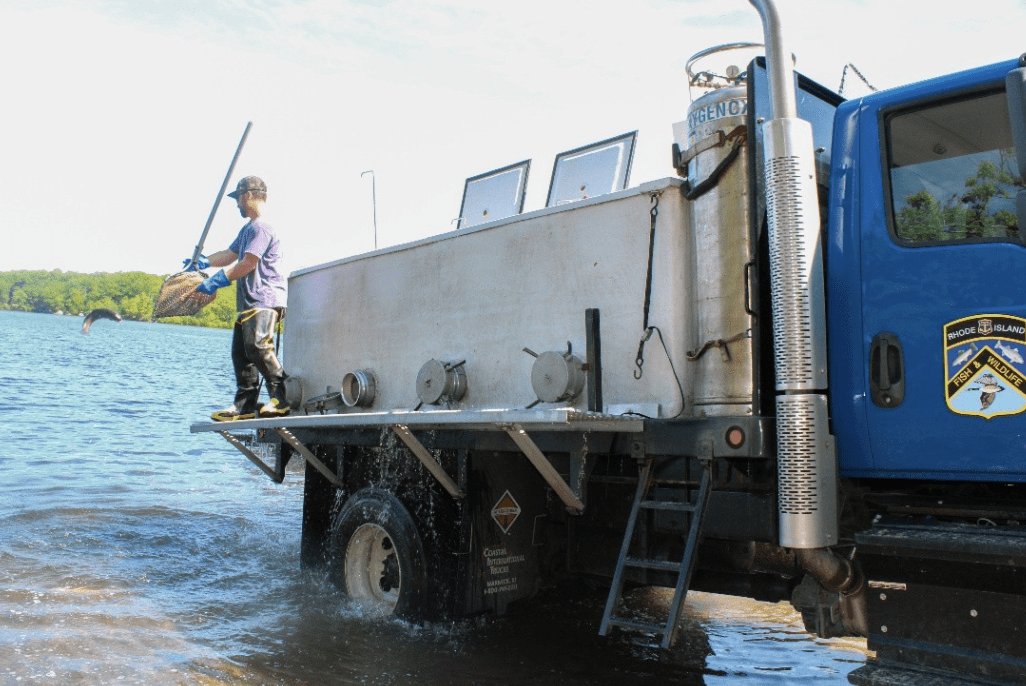
“Opening Day is a spring tradition for thousands of Rhode Islanders who head out on the second Saturday of April to a favorite fishing spot to reel in their first trout of the season,” said DEM Director Terry Gray. “The work and logistics involved in raising and stocking thousands of fish every year are intense, and this year our hatchery staff overcame a particularly challenging winter to provide fishing opportunities for the public. I’m proud to recognize all members of DEM’s Freshwater Fisheries Team who pull off this feat every year – and keep freshwaters stocked throughout most of the year.”
Go for the gold – catch a golden rainbow trout from Opening Day through May 3 to be eligible to receive a golden trout pin. Simply take a picture and email it to [email protected] for verification. Submissions must be received no later than Monday, May 4, 2026, and there is a one pin per person limit.
Get hooked – the annual Free Fishing Weekend is on Saturday, May 2, and Sunday, May 3. On both days, residents and visitors can fish all species of freshwater fish without a fishing license or a trout conservation stamp.
Information about stocked freshwaters, size and creel limits for all freshwater fish species is available in the 2026-2027 Freshwater Fishing Abstract. A 2026 fishing license is required for anglers 15 years of age and older and a Trout Conservation Stamp is required to keep or possess trout. Trout stamps are not required for possessing trout taken from a lake or pond that shares a border with Rhode Island, those aged 15 or younger, any resident 65 years of age or older, any person with 100% disability, landowners or members of their families when fishing from property on which they are actually domiciled, any person possessing privately-owned trout caught in privately owned waters. Fishing licenses can be purchased online on DEM’s Rhode Island Outdoors (RIO) portal.
___
RI to Study PFAS in Stocked Trout
Please note that a collaborative study with DEM and the Rhode Island Department of Health (RIDOH) to better understand how Per-and Polyfluoroalkyl Substances (PFAS) may accumulate in stocked trout will take place at Upper Melville Pond in Portsmouth, also known as Thurston Gray Pond, from May 4 through July 2. To protect the integrity of the study, the pond will be closed to fishing during this timeframe. The timing of this study was chosen to prevent the fishing closure from impacting Opening Day. Lower Melville Pond will remain open to fishing during the study but will not be stocked. Learn more at www.dem.ri.gov/trout-study.
Safe Fishing
DEM reminds anglers, especially boaters, to prioritize safety while pursuing their first trout of the season. State law requires personal flotation devices (PFDs) for each person on board, and all canoe, kayak, and paddle craft users must always wear one, regardless of age. DEM also reminds anglers to protect against hypothermia by dressing in layers and wearing warm hats and gloves in cold conditions. Learn more at http://www.dem.ri.gov/safeboating.
___
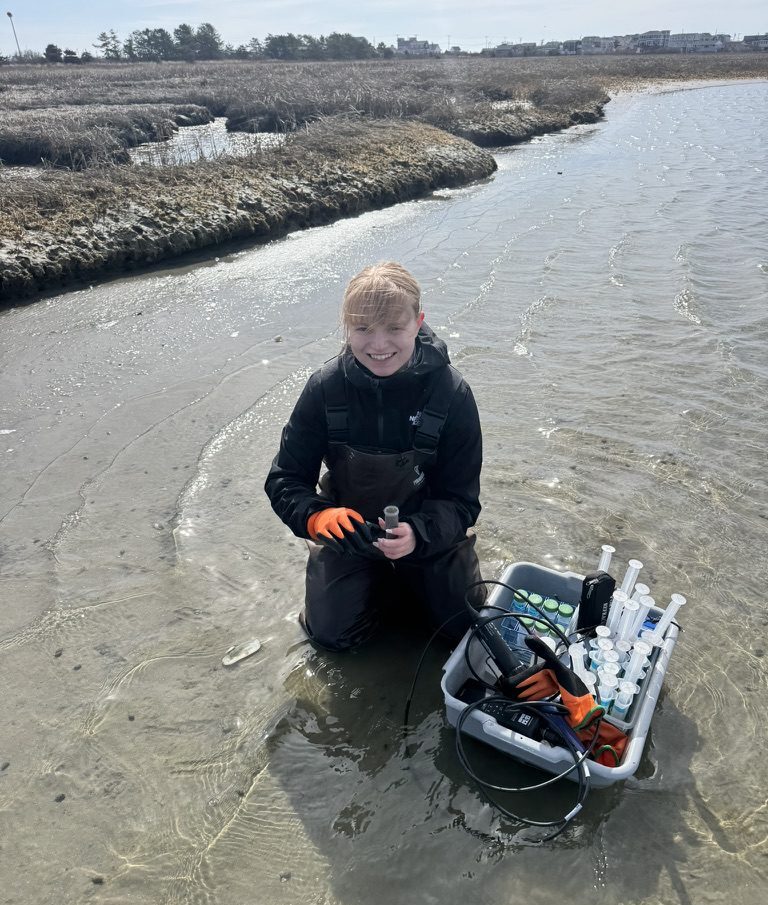
URI Salt Marsh Restoration and Change (Top Photo)
URI Ph.D. student Madison Geraci, at Quonochontaug,, top photo
Rhode Island’s salt marshes protect coastlines and provide critical habitat, but many are increasingly threatened by sea level rise and other environmental pressures. Madison Geraci, a Ph.D. student in evolution and marine biology at the University of Rhode Island, is studying organisms hidden within marsh sediments to better understand how these ecosystems respond to stress and restoration efforts.
Her work recently received a student award from the Nature Conservancy that will help expand an innovative approach to monitoring marsh health across Rhode Island. At the center of Geraci’s research are foraminifera, microscopic single-celled organisms that scientists increasingly recognize as powerful environmental indicators of marsh health.
“They’re like a canary in the coal mine,” she said. “They’re really sensitive to salinity, sea level rise, coastal acidification, and pollution, and they can tell us a lot about marshes’ overall health.”
Traditional monitoring often focuses on marsh vegetation, but microbial communities may reveal ecological stress much earlier.
Quonochontaug Marsh, Charlestown. (Photos courtesy Madison Geraci)
The Nature Conservancy funding will help pay for the genetic sequencing needed to identify microbial communities. “Sequencing can be expensive, so the award allows us to do this work on a broader scale,” she said.
After collecting sediment samples from marshes across the state, Geraci and her collaborators use a method called metabarcoding—a type of DNA sequencing—to identify organisms living in the samples. “We’re using a tool called metabarcoding to take a sediment sample, extract it, and then tag all the different forams that might be there and determine their overall diversity,” she said.
Her research focuses on marsh restoration projects that add thin layers of sediment to help raise marsh elevation and counteract sea level rise. By comparing restored and non-restored marshes, the team hopes to understand how ecosystems respond to these interventions.
“We go out into these either restored or non-restored marshes locally to assess what their overall ecosystem health is, inform people where the marsh is going, or how the restoration is affecting the marsh,” Geraci said.
The project brings together scientists from multiple organizations, including Kenneth Raposa at the Narragansett Bay National Estuarine Research Reserve and Decatur Foster, a conservation biologist with the United States Environmental Protection Agency. By pairing her microbial analysis with other monitoring efforts, Geraci hopes to create a faster and more responsive way to evaluate restoration projects.
“We’re hoping to detect the signals of stress in a marsh before larger changes, such as vegetation loss or erosion really become visible,” Geraci said. “This work helps us guide decisions to keep Rhode Island’s marshes healthy.”
– from a story submitted by Anna Gray in the URI College of the Environment and Life Sciences
___
URI Master Gardeners awaiting your call (or email)
Have a garden quandary or need some advice before you start planting your 2026 garden? Ready to celebrate spring but don’t know where to start? The University of Rhode Island Gardening & Environmental Hotline is open from how until Nov. 1.
Southern New Englanders are welcome to send an email and photos to the University’s Master Gardener volunteer educators or call for science based-answers to their gardening and environmental questions.
In-person visits are also available by appointment at URI’s Mallon Outreach Center on the Kingston Campus. Just call 401-874-4836 or email [email protected].
-
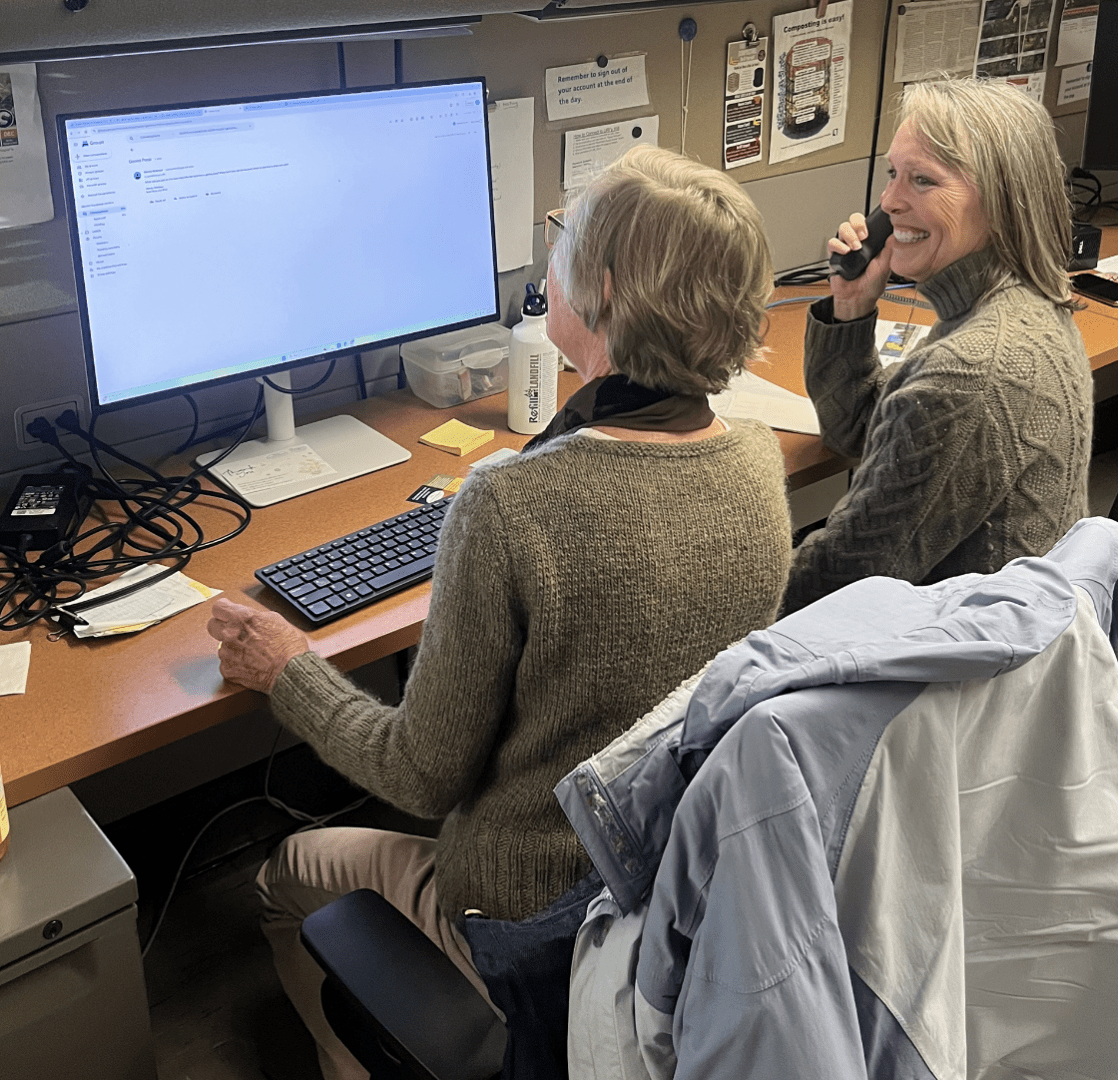
- The URI Gardening & Environmental Hotline is now open and in full operation through Nov. 1. (URI Photos / Cooperative Extension)
-
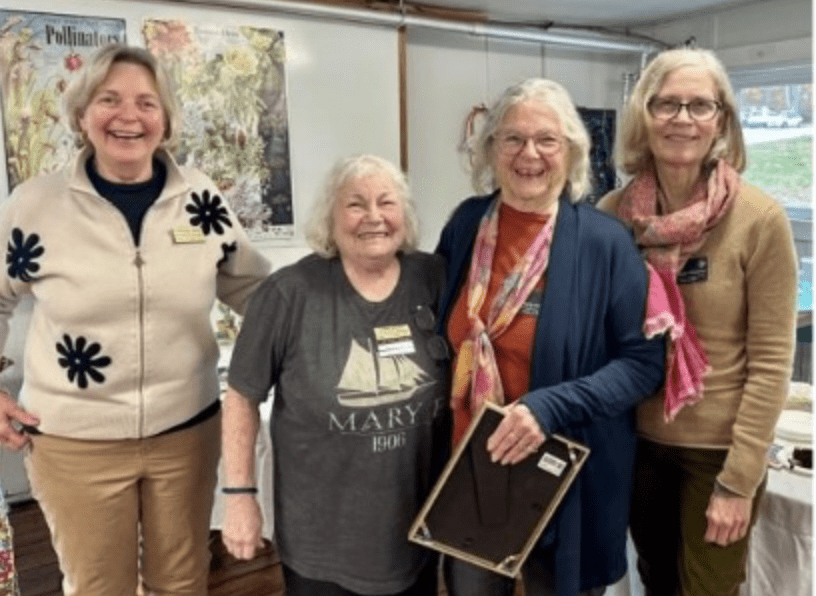
- Last year, URI Master Gardener volunteers donated their time and gardening expertise to staff the University’s Cooperative Extension Gardening Hotline service, answering community gardening and environmental questions.
From March through Oct. 31, the hotline operates from 10 a.m. to 2 p.m. daily. The free service provides high-quality, science-based solutions to problems encountered by residential gardeners and is staffed by trained URI Cooperative Extension Master Gardeners who connect callers with answers they are looking for.
Gardening Hotline
Last year, the 18-member Gardening Hotline team fielded 1,020 emails, 641 phone calls, and 135 in-person customers — nearly 1,800 total community gardening inquiries. Queries typically begin in late winter and peak in May.
Questions about composting, flowers and vegetables, wildlife, lawn care, invasives, and weeds came in. Some were:
* Can you add orange peels to your compost pile?
* What do you do with bulbs that aren’t flowering?
* How do you keep a groundhog at bay?
* What’s a good choice for a memorial tree?
* Does power washing impact plants?
* What kind of plants are good for a privacy fence or butterflies?
* A few calls last year inquired about “chill hours” — not a new mindfulness technique, but temperature impact on plants.
* Some queries are small, focused on ants and other insects, others large, such as what to do about knotweed covering three acres of property (answer: invite goats).
They’re all welcome, says Matt Durham, who oversees the service, which is a cornerstone of the Master Gardener Program and offered as part of URI’s land-grant mission.
Master Gardener volunteers log the queries and advice given and, if needed, refer callers to the University’s Plant Diagnostic Laboratory or groups such as the Rhode Island Wild Plant Society. Master Gardeners also field questions about indoor plants.
If emailing, send multiple photos of your plant problem, including an item for scale and any identifying characteristics; take photos of the entire plant to view it in context.
URI Master Gardeners also offer a free soil testing service for residents of Rhode Island and surrounding areas from March through October, as well as online gardening resources and free gardening-related workshops.
To learn more, visit uri.edu/mastergardener or contact the Gardening Hotline: 401-874-4836 / [email protected]. To get on the Cooperative Extension email list for additional programs, email c[email protected].
___
Long-Term Repair to Charlestown Breachway Completed
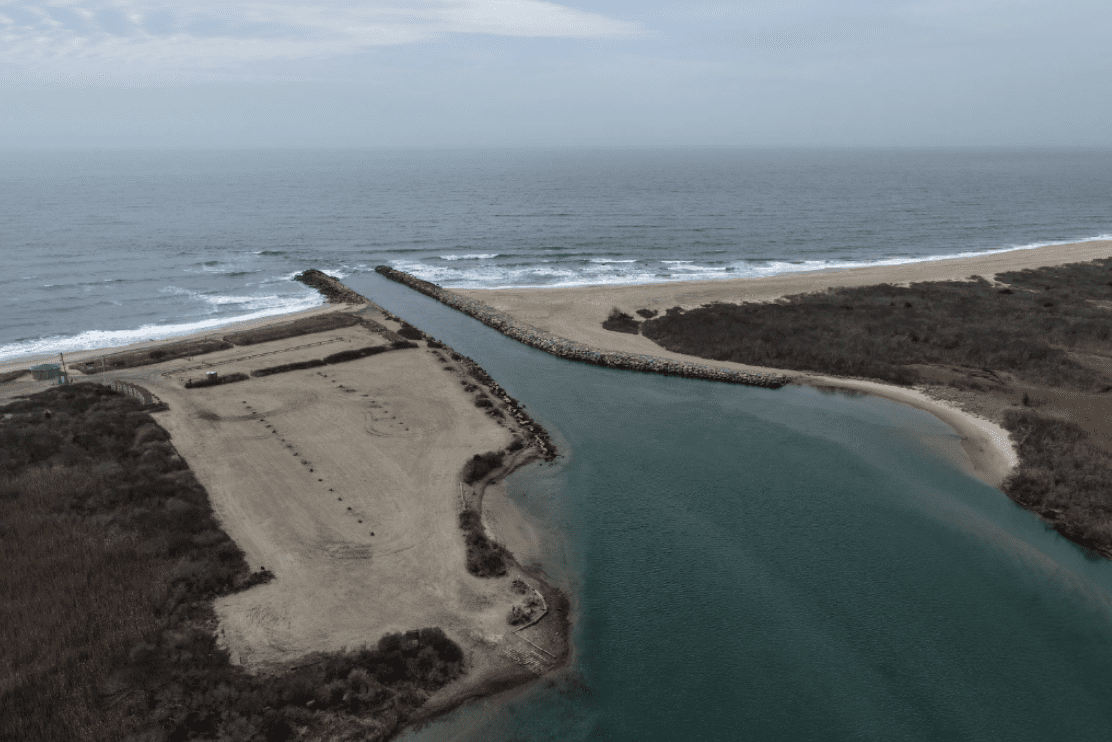
The Rhode Island Department of Environmental Management (DEM), the Coastal Resources Management Council (CRMC), and the Town of Charlestown, along with project partners and supporters including members of the Rhode Island General Assembly, the Rhode Island Salt Ponds Coalition, Save The Bay, and the University of Rhode Island/Rhode Island Sea Grant celebrated the completion of the long-term repair project of the Charlestown Breachway.
The $8.4M project included breachway restoration, channel dredging, beach re-nourishment with the creation of two sand dunes and plantings planned for fall. $5M was contributed through a DEM request and allocated by the State through CRMC, $2M from CRMC for dredging, and $1.4M provided by the Town of Charlestown.
Contractors reconstructed the west breachway wall in two tiers of stone. Dredged material was reused to restore the town beach, repair erosion along the wall’s west side, and construct two storm-resilient dunes on the same side. The work has restored the breachway’s structural integrity, improved navigation, stabilized the coastline against climate impacts, and preserved water flow in and out of Ninigret Pond to maintain ecological balance and water quality.
“Rhode Island is on the front lines and bearing the brunt of the impacts from climate change. Strengthening the resiliency of our coastal infrastructure protects our environment, communities, and economy from the impacts of sea level rise and increased storm surge events,” said DEM Director Terry Gray.
Charlestown Town Administrator Jeffrey Allen said, “With the structural components of the project now complete, the Breachway restoration and Ninigret Pond dredging have strengthened the area’s structural integrity, improved coastal and land-based habitats, enhanced water conditions, and increased public safety. Improved water circulation is expected to quickly support healthier aquatic environments. Final touches, including sand fencing, dune grass planting, and site restoration, are scheduled for this fall to further integrate the area into its natural surroundings. This effort preserves Charlestown’s coastal legacy while continuing to support the recreational and economic resources that serve communities across Rhode Island.”
___