
Subscribe!
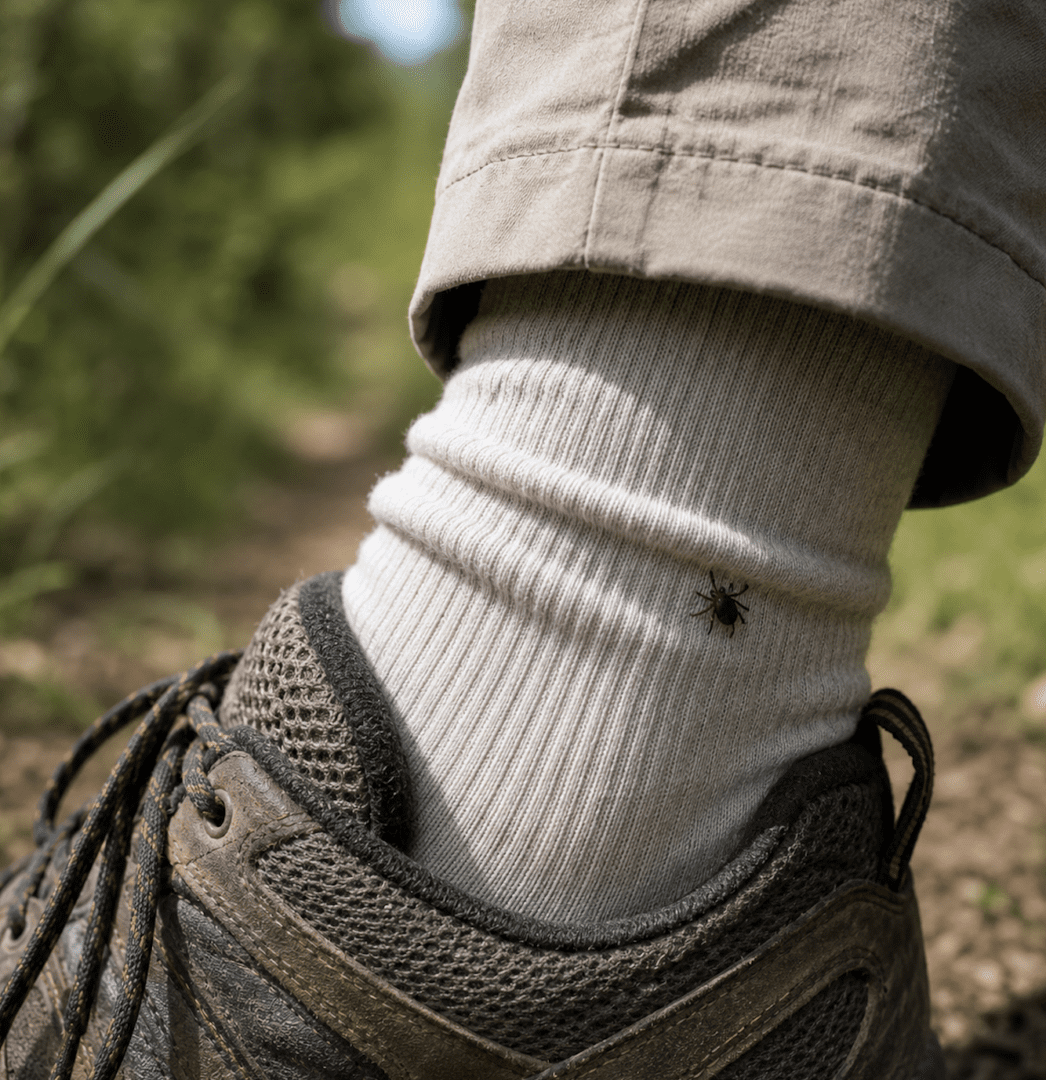
Ticks already sending more people to the ER. Rhode Island has a tick expert in its own backyard.
By RINewsToday News Team
Tick season is not waiting for summer.
The Centers for Disease Control and Prevention says emergency room visits for tick bites are running higher than normal in many parts of the country. In all U.S. regions except the South Central United States, weekly rates of ER visits for tick bites are the highest for this time of year since 2017.
For Rhode Island, the warning is especially relevant. The state remains a high-risk area for Lyme disease and other tickborne illnesses, with cases typically rising during the warmer months. The Rhode Island Department of Health says most Lyme disease cases are reported during the summer, with a peak in July. Washington County consistently has the highest Lyme disease rate in Rhode Island, with a 2024 rate of 723 cases per 100,000 people.
And Rhode Island has one of the country’s best-known tick resources in its own backyard: the University of Rhode Island’s TickEncounter Resource Center.

Dr. Thomas Mather
Led by Dr. Thomas Mather — URI’s “TickGuy” and one of the nation’s foremost tick experts — TickEncounter provides practical, plain-language guidance on tick identification, tick-bite prevention, and what to do after finding a tick. URI’s TickEncounter site also includes tools and videos to help people understand which ticks are active and how to reduce the risk of tickborne disease.
Mather has long emphasized that conditions matter. Ticks do not like dry weather, while damp, shady, leafy areas create more favorable tick habitat. In a URI summer-prevention update, he said Rhode Islanders can often judge tick risk by looking at yard conditions, including whether lawns and surrounding areas are dry or damp.
Ticks are not the only warm-weather pest concern. The National Pest Management Association is also warning that ticks, mosquitoes, ants and stinging insects become increasingly active as summer approaches. Mosquitoes can breed in small amounts of standing water and may transmit illnesses such as West Nile virus and Zika virus. Stinging insects are also a seasonal risk, especially for people with allergies.
The advice is simple, but important: act early, before pest activity peaks.
What to do now
Wear long pants and long sleeves in wooded, brushy or grassy areas.
Use an EPA-registered repellent.
Check yourself, children and pets after being outdoors.
Shower after outdoor activity when possible.
Remove ticks promptly with fine-tipped tweezers, pulling straight upward.
Empty standing water from flowerpots, gutters, birdbaths, buckets, outdoor toys and other containers.
Keep outdoor food covered to avoid attracting stinging insects.
Do not try to remove a stinging-insect nest yourself.
Alpha-gal syndrome
Ticks can spread Lyme disease and other illnesses, and some tick bites have also been associated with alpha-gal syndrome. Alpha-gal syndrome is a tick bite-associated allergy that can cause people to react to red meat and, in some cases, dairy or other mammal-derived products. It has been linked most often to the lone star tick, which has expanded its range northward, though researchers continue to study the full pattern of risk.
Symptoms can appear hours after eating beef, pork, lamb, venison or related products, and may include hives, stomach upset, swelling, breathing problems or, in severe cases, anaphylaxis., an allergy to red meat and, in some cases, dairy products. In Rhode Island and Southern New England, the blacklegged tick — often called the deer tick — remains the major concern for Lyme disease and several other tickborne infections.
To date there have been 79 confirmed cases of alpha-gal syndrome in the state – though reporting is not required.
If you find a tick, remove the tick with tweezers and submit it to URI’s TickSpotters. Within 24 hours, TickSpotters will identify what kind of tick bit you and recommend what steps you should take next.
The lone star tick was around in the 1700s, but for long periods it was absent in this area – but now it’s back, taking hold, and deserving of our attention.
The bottom line: check early, check often, and do not assume tick season starts later in the summer. It is already here.