
Subscribe!
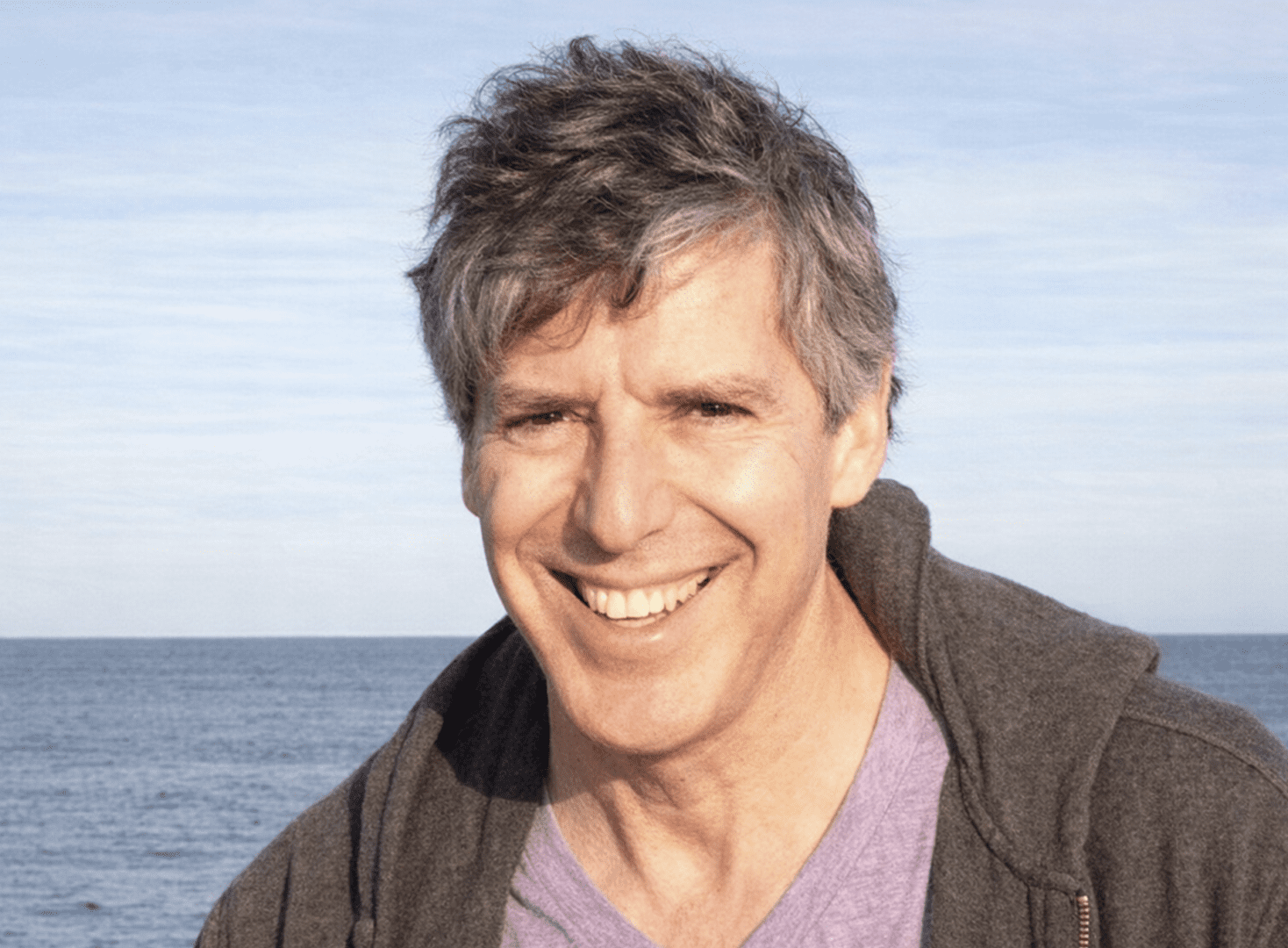
Why War News Can Turn Fear Into Anger – Jeffrey B. Rubin, PhD
A psychoanalyst explains the emotional dynamics of doomscrolling and war anxiety
When war dominates the headlines, many people find themselves caught in a painful routine. A notification appears on the phone. We open a news app. Another update. Another prediction of escalation. The body tightens. We feel scared and sad. Minutes later we check again, hoping that understanding what is happening will make us feel less. Instead, many people notice the opposite: a growing sense of agitation, helplessness, or dread.
We tell ourselves we are simply staying informed. Yet after repeated exposure to these updates, many people notice something else happening inside them: distress, irritation, sleeplessness, or a growing sense of trepidation.
Sometimes those feelings take a different form. Instead of anxiety, we feel anger. Outrage at political leaders. Hostility toward those who interpret events differently. A sense that the world is becoming increasingly polarized and volatile.
Why does following the news so often leave us feeling angrier rather than more informed?
From a psychological perspective, one answer lies in a dynamic that is both simple and easily overlooked: fear rarely appears as fear.
When people feel frightened or helpless, those emotions are often difficult to tolerate directly because they make us feel vulnerable. Helplessness can feel unbearable. As a result, the mind frequently converts those feelings into something more manageable. Anger, unlike fear, can create the illusion of strength. It mobilizes energy. It provides a target.
In clinical practice, I often see how easily fear can shift into anger when people feel overwhelmed or powerless. The transformation can happen quickly and often outside awareness. What begins as anxiety about events beyond one’s control may reappear as hostility toward a perceived opponent or a compulsive focus on threat.
This psychological pattern helps explain why periods of geopolitical conflict can intensify both anxiety and polarization at the same time.
Today’s media environment adds another layer to this dynamic. In earlier eras, news arrived at a slower rhythm. A morning newspaper. An evening broadcast. Now, the flow of information is continuous. Phones vibrate with updates. Social media amplifies breaking developments, speculation, and reaction in real time.
Many people fall into what has come to be called “doomscrolling”: repeatedly scanning news feeds in the hope of feeling more informed or more in control.
But psychologically the opposite often occurs.
The human nervous system is not designed for constant exposure to signals of danger. When we encounter repeated images of violence, warnings of escalation, and predictions of catastrophe, the body responds as if it is under threat. Stress hormones increase. Attention narrows. The mind becomes preoccupied with scanning for further danger.
Ironically, the attempt to reduce uncertainty by consuming more news can deepen a sense of helplessness.
In my clinical work, I have seen how easily people can become emotionally flooded during periods of prolonged crisis. Patients describe staying up late reading updates, waking during the night to check their phones, or feeling unable to step away from coverage even when it leaves them exhausted or distressed.
These reactions are understandable. War represents the possibility of large-scale loss and destruction. Even when it unfolds far away, it can activate deep human fears about safety, vulnerability, and the fragility of social order.
Yet when these fears remain unrecognized, they often reappear in other forms.
Sometimes they manifest as anger directed toward political leaders, rival nations, or fellow citizens whose interpretations of events differ. At other times they appear as emotional numbing or a relentless search for new information that might restore a sense of control.
In public life, this dynamic can contribute to the escalating tone that often accompanies international conflict. When fear is not acknowledged, it easily becomes blame. Pain becomes accusation. Anxiety hardens into hostility.
Recognizing this pattern does not mean that people should ignore the news or retreat into indifference. Remaining informed about world events is an important responsibility of citizenship.
The challenge is learning how to stay informed without overwhelming our emotional capacity to process what we encounter.
One simple step is to place intentional limits on news exposure. Instead of continuously refreshing updates throughout the day, it can be helpful to designate specific times for reading or watching the news. This allows the mind periods of recovery rather than maintaining a constant state of vigilance.
Equally important is noticing the emotional responses that arise while following events. Fogginess or irritation can signal emotional overwhelm. If anger appears, it can be useful to pause and ask what feelings might lie beneath it. Often there is fear, sadness, or grief about suffering and human tragedy that feels impossible to prevent.
Acknowledging those underlying emotions can soften the intensity of reactive anger and restore a greater sense of perspective.
Finally, it is helpful to remember that the mind’s tendency to convert fear into anger is not a moral failing. It is a psychological strategy that evolved to help human beings cope with threat. Anger can mobilize energy and create a temporary sense of agency.
But when anger becomes the primary lens through which we interpret events, it can narrow our thinking and deepen division.
Periods of war test not only political institutions but also the emotional resilience of the societies watching from afar. Remaining informed matters. But in times of war, protecting our capacity to think clearly and remain humane matters just as much.

Jeffrey B. Rubin, PhD
Psychoanalyst and author of Psychotherapy Case Studies, The Art of Flourishing, Meditative Psychotherapy and Psychoanalysis
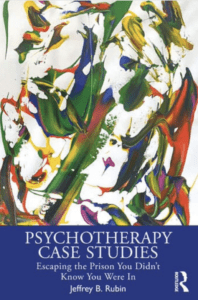
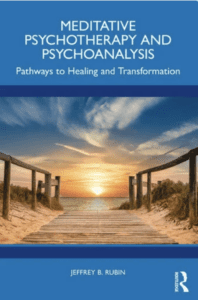
Jeffrey B. Rubin, PhD, is a psychoanalyst in private practice in New York City and North Salem, NY. He teaches at the Object Relations Institute, the American Institute for Psychoanalysis, and the C. G. Jung Institute of New York. Dr. Rubin is the author of eight books, including Psychotherapy Case Studies and Meditative Psychotherapy and Psychoanalysis (Routledge). His work has been featured in The New York Times Magazine, and Psychology Today.