
Subscribe!
Outdoors in RI: URI Projects Need You for Watershed Watch, and Bobcat Lookout
High interest in URI’s statewide Bobcat project
Public sightings pass 1,000 in statewide project that links citizen scientists with University research
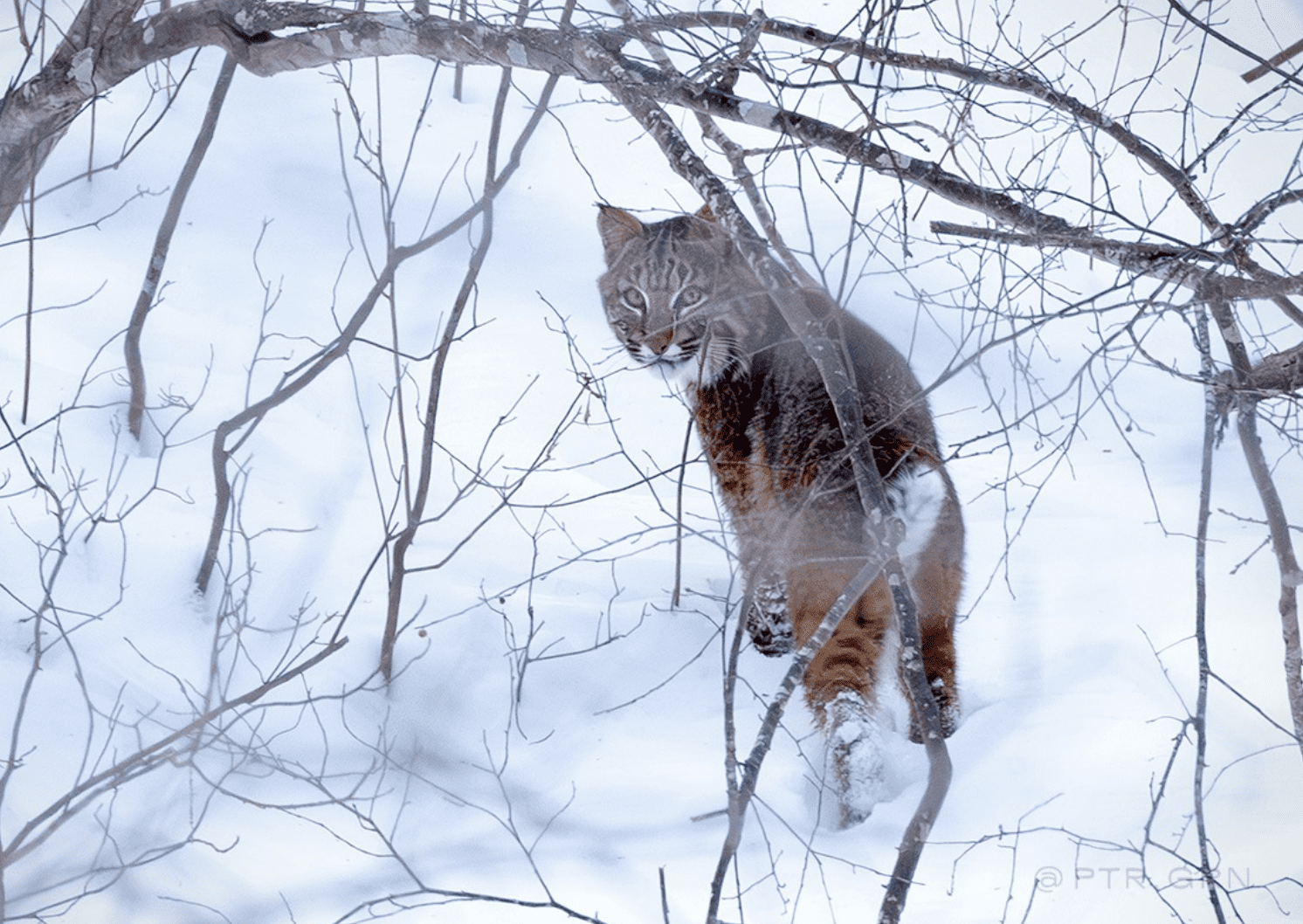
Once eradicated from Rhode Island, bobcats have returned over the past few decades and are now being spotted more frequently across the state. That fact has been verified in just a matter of months through the Rhode Island Bobcat Project, led by University of Rhode Island researchers and local partners, including the Rhode Island’s Department of Environmental Management and the Wildlife Clinic of Rhode Island.
URI’s researchers just passed the 1,000-sighting mark this winter, a good sign for the cat species and public interest in the animal. These reports will help URI Assistant Professor of Quantitative Ecology Kathleen Carroll and Ph.D. student Christopher Hickling better understand the animal’s movements, habitat use, and population dynamics.
Carroll and Hickling say that bobcats’ increasing presence in Rhode Island is positive, while the cat makes for an intriguing and accessible subject and has piqued public interest.
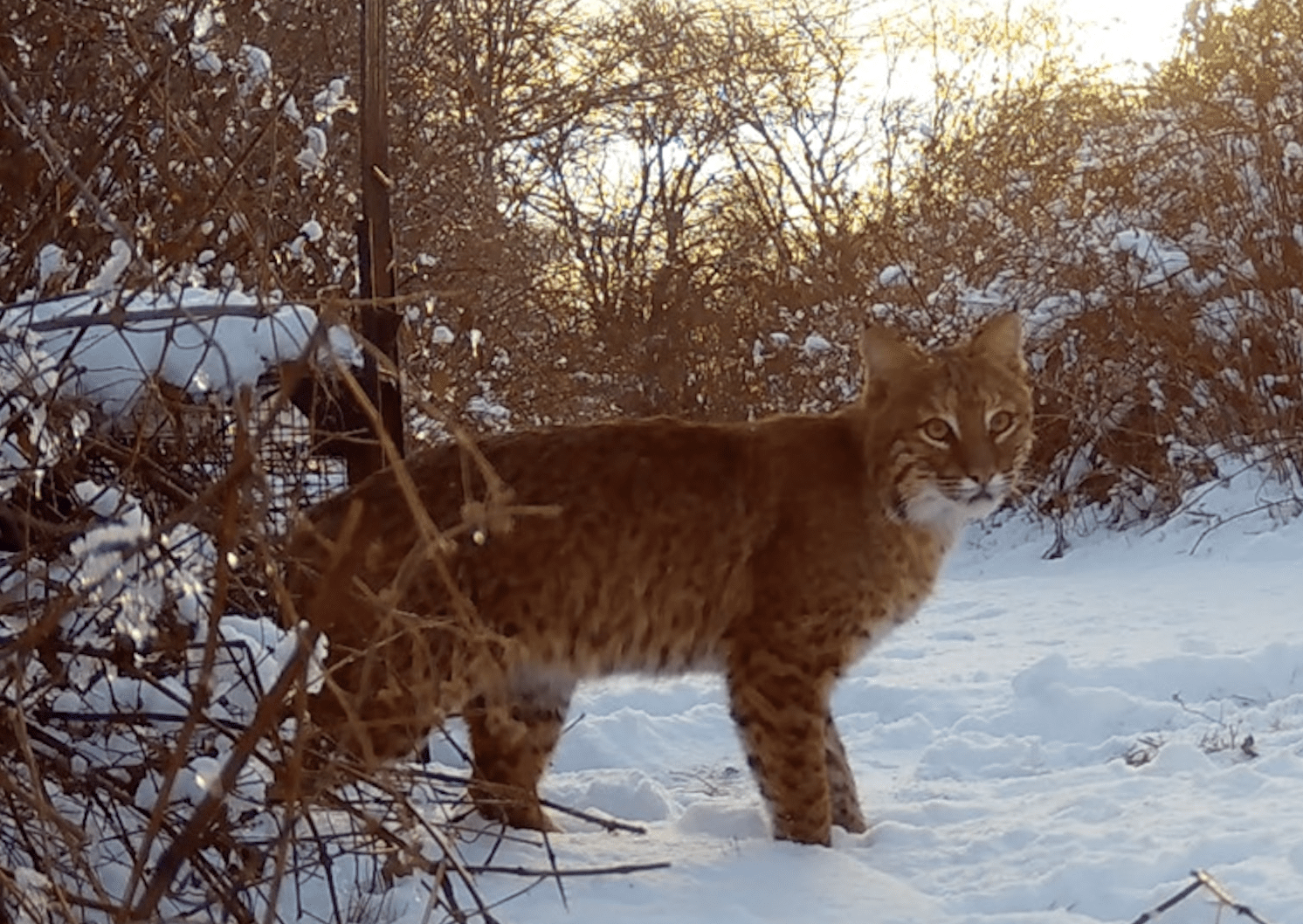
The information that URI’s team has gathered from public reports, alongside camera traps and GPS radiocollars, will help them identify where bobcats rest, hunt, and travel. Such valuable data is critical in developing recommendations for land management practices that balance human use with wildlife conservation.
“Bobcats in Rhode Island appear very tolerant of people compared to bobcats in other states,” Carroll said. “This makes sense since Rhode Island is so densely populated. In other states, cats can be more wary; here, they are walking across driveways at night.”
“We are happy people are excited about seeing bobcats and interested in their importance for biodiversity,” Carroll added. “The reports we’ve received will enable us to better support their populations here in the future.”
Carroll and Hickling in URI’s Natural Resources Science department share some updates on what they have observed since their bobcat survey launched in September:
In which Rhode Island towns or areas have bobcats been most prevalent?
Most of our reports have come from southern Rhode Island, but we have reports from all over the state, except the islands. Anecdotally, Charlestown and South Kingstown seem to be well represented in the reporting.
Looking ahead to this spring, is there anything for Rhode Islanders to be aware of as far as bobcat behavior?
Female bobcats will have litters of two to four kittens in the spring. They typically establish den sites away from people and in areas that are difficult to find or access for other species. If folks think they have a den on their property, they can reach out to us directly.
Tell us about your naming convention, naming the bobcats you collar and release after native birds? (Osprey, Falcon, Plover, etc.)
Each cat receives a formal name, like B03M or B11F, but it’s also fun to give them a more memorable name. This lets us name them in an organized way; in projects outside Rhode Island, bobcats have been named after native trees, for instance. Since URI’s Scott McWilliams, who studies birds, has been a mentor for our work, birds made good sense!
After a person spots a bobcat, do they tend to stay in the general area for repeat views or move through a community quickly?
Bobcats have large home ranges compared with most animals, so they move around quite a bit. Younger males will typically disperse to new areas and move around the landscape more than other bobcats. Despite their large capacity for movement, people may see the same one regularly if their home or work is within the bobcat’s home range, or the area it uses regularly for food and shelter. Many of our cats seem to “hang around” certain areas.
What is it about the bobcat that you think has so captured Rhode Islanders’ interest?
People are drawn to bobcats because they are highly charismatic and resemble house cats. Many of the behaviors and mannerisms we see in our pets are also represented in bobcats; this relatability makes them good representatives for the broader wildlife community. Most people will never see a wild wolverine, for example, because of their density and habitat. With bobcats, you have a charismatic species that captures attention, plus is something people have a decent chance to see in the wild. That combination is magic.
Rhode Islanders are encouraged to continue submitting information and photographs. To report a bobcat sighting, learn more, or donate to the continuation of this research, please visit uri.edu/bobcatsurvey or https://connectivityandconservation.com/bobcat-project. For further questions, or to request a sticker, contact [email protected] or [email protected].
Photos: Peter Green and Quest Lab, URI
___
URI Watershed Watch seeks volunteers to monitor ponds, streams, and coasts
URI Cooperative Extension Program collects data to help our local waters; volunteer training starts in April
Ever dreamed of being a scientist? Or wanted to do more to protect your favorite water body? The University of Rhode Island’s Watershed Watch, which has collected water quality data on lakes, ponds, reservoirs, rivers, streams and the marine environment throughout southern New England for four decades, is seeking volunteer water quality monitors.
A URI Cooperative Extension program, Watershed Watch volunteers help researchers understand how snowy winters, stormwater runoff, and droughts contribute to bacteria and surface algal blooms, affecting water quality. With decades of data, Watershed Watch volunteers contribute to better understanding how climate change impacts our local waters.
While volunteers are needed across the state, sites that are in particular need this year include Alton Pond, an impoundment on the Wood River bordering Hopkinton and Richmond, and several ponds in Cranston—including Blackamore and Spectacle ponds and Meshanticut Lake. Volunteers are also needed at several pond and stream sites in Warwick and at Melville Pond in Portsmouth.
Data will be used to help regional organizations and communities identify problems so they can protect and restore local water resources.
“Becoming a volunteer water quality monitor is a great excuse to get outdoors and do something that helps you to understand local waters while also helping to protect them,” URI Watershed Watch Director Elizabeth Herron said. “It also means becoming part of a community. Our volunteers are integral to the monitoring program and often develop connections to the many environmental and community groups that we partner with.”
-
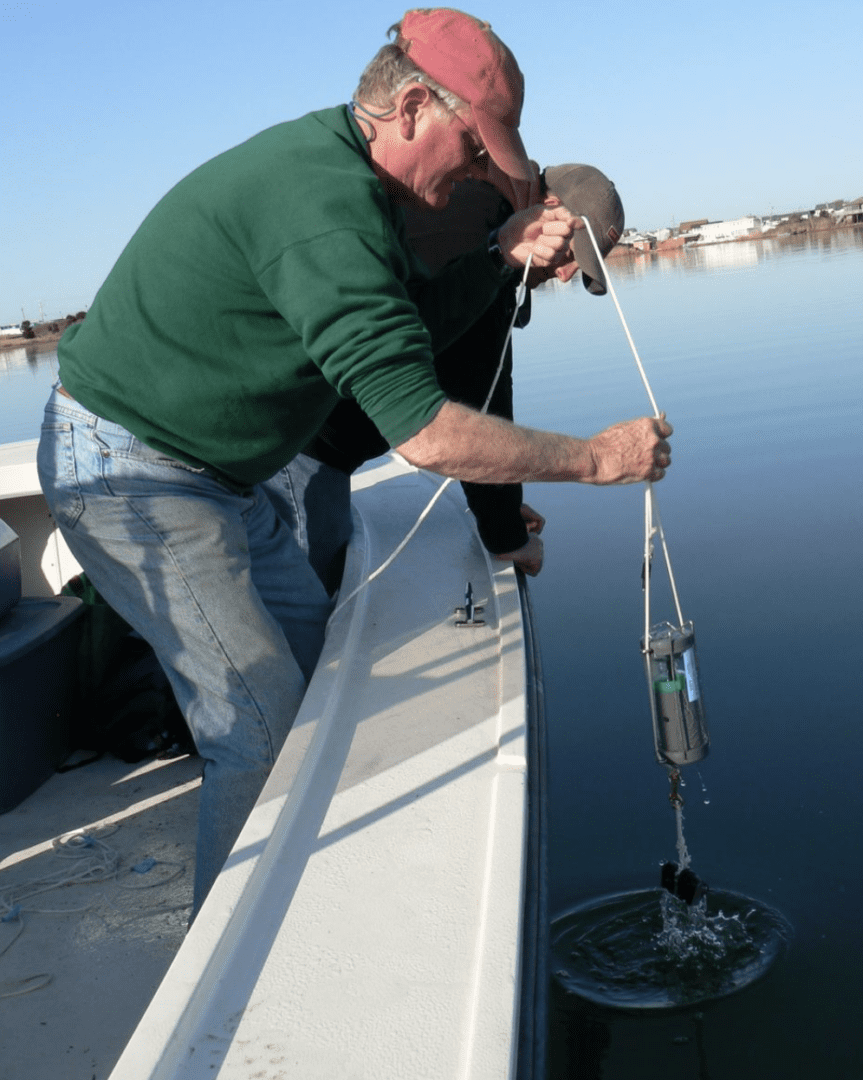
- URI Cooperative Extension Program collects data to help our local waters; volunteer training starts in April. (URI Photos / Watershed Watch)
-
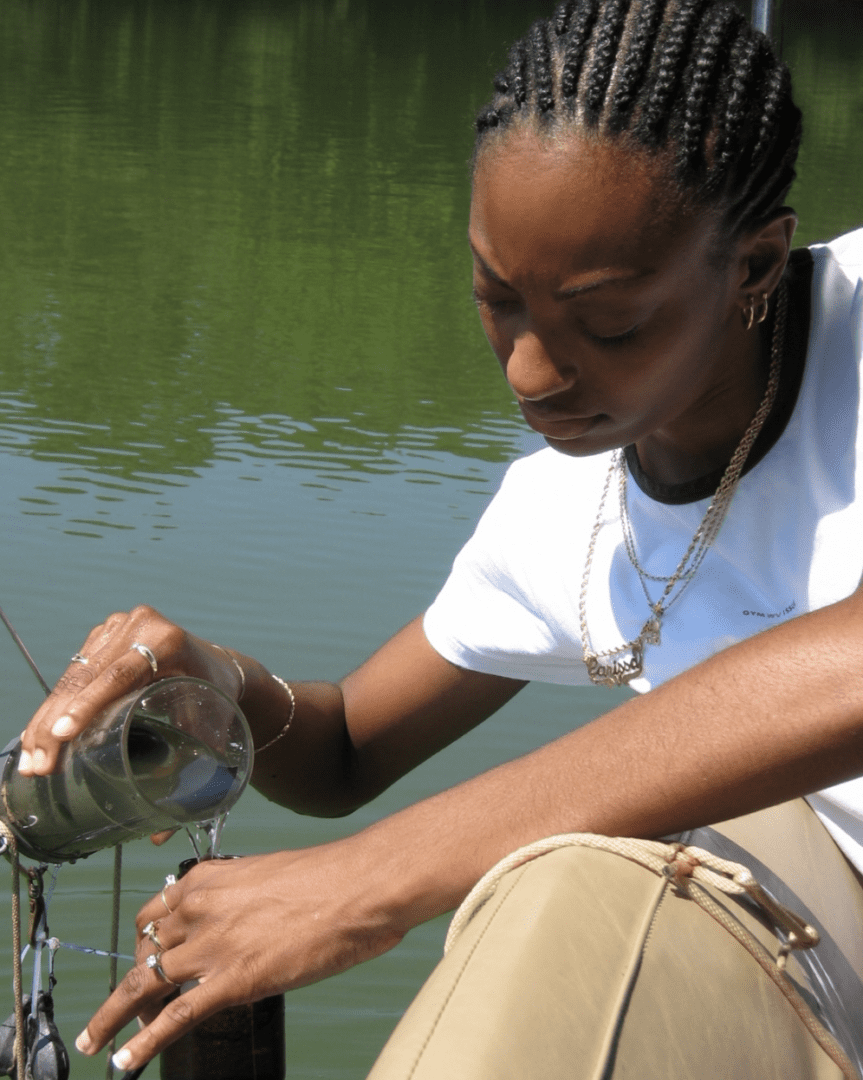
- A program of URI Cooperative Extension, Watershed Watch volunteers help to assess the impacts of weather, stormwater runoff, and other impacts on water quality, contributing to better understanding of the health of local waters.
Since 1988, URI’s Watershed Watch has brought together more than 100 organizational partners and trained thousands of volunteer water monitors. The program maintains long-term partnerships with the state of Rhode Island, 14 municipalities, 23 environmental and sporting organizations, one Native American tribe, 14 lake associations/management districts, and six national organizations. Watershed Watch is also a national leader, connecting and training volunteer program leaders across the country for more than 20 years.
Becoming a volunteer monitor requires no previous experience or scientific knowledge; however, some sites require a volunteer’s boat, kayak, or canoe to access. Others can be monitored from the shore. Watershed Watch provides the land-based equipment needed to monitor, as well as manuals and training. The new volunteer training program includes both a classroom and field session to help new volunteers understand the how and why of monitoring water quality. Training is free, and attendance at a session does not commit participants to becoming a volunteer.
Classroom training sessions will be held Thursday, April 2, from 6 to 9 p.m. and repeated on Saturday, April 4, from 9 a.m. to noon. Field training will be held Saturday, April 11 and Saturday, April 25. During the field session, volunteers learn to collect and process samples and familiarize themselves with monitoring methods to help them successfully generate credible data. Both field training sessions offer a morning and afternoon time slot. Volunteers must only attend one field training session in preparation for the May through October monitoring season.
For more information or to register for the training sessions, contact Elizabeth Herron at 401-874-4552 or at [email protected]. Visit the program’s website for detailed information about the program, the list of 2026 monitoring locations, and to complete a volunteer profile.
Send us your OUTDOOR news: [email protected]