
Subscribe!
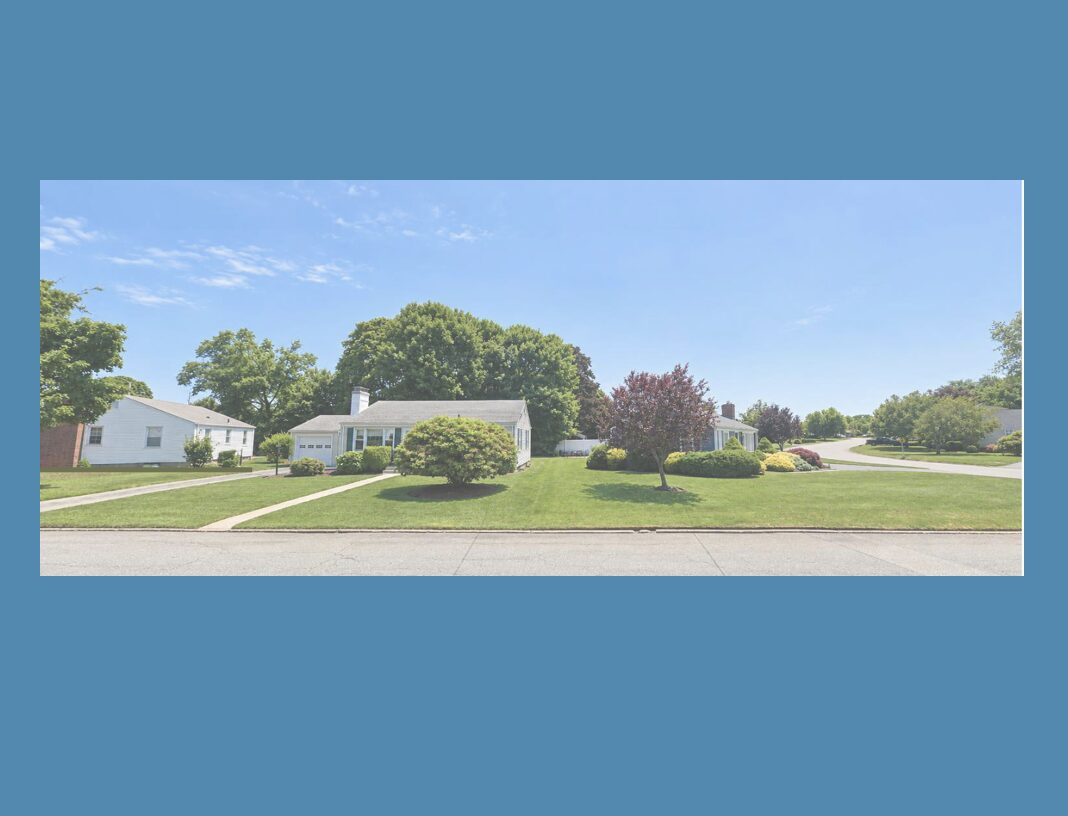
Cranston’s Garden City neighborhood on its way to the National Register of Historic Places
For seven years – or more – the Garden City Alliance has been advocating for the neighborhood to be on the National Register of Historic Places. And, it is about to come to fruition with one of the final steps, a neighborhood meeting was held on November 12th at the Garden City School.
The letter to the community – the official notice of the meeting – and 2 articles RINewsToday published explaining the program:
Garden City, which began construction in 1946, was one of, if not the first, planned communities post World War II in America. It was introduced designed as a “City within a City” – one that would include a ready-made “Main Street,” complete with pharmacy, luncheonette, salon, supermarket, hardware store, and specialty shops, along with a church and school. Homes would be built as starter homes, where, back in the 50s most families had one car and stay-at-home mothers were more plentiful than a 2-person working family today.
Welcoming men back from the war with such a community was designed to get that generation back and off to a new start. The Garden City Shopping Center contained a well-chosen selection of retail stores, service locations, and entertainment. A bowling alley, and movie theater. A supermarket. Children’s clothing stores and a toy store. A bank. Next to the shopping center was a Catholic Church, with a school. Not far away was a public elementary school, Garden City School which was entirely rebuilt with a nod to its history in 2023. Children could walk to school. Moms could walk to the shopping center if their spouses had the car at work.
Today most homes have had some renovations, with the adding of pools, or great rooms, or finished basements, or additions. No two houses were identically placed next to one another, or were painted exactly the same. Generous backyards spoke to the family at the center of the unit. Streets were named, in large part, for trees and flowers. Shade trees were – and are – plentiful.
Written by Jennifer Robinson, Preservation Services Manager, Southern New England, “The so-called “garden city movement,” espoused by Ebenezer Howard in Britain during the late 1800s, is one example of this type of aspirational city planning. During the post-World War II era in the United States, however, suburban planning was taken to new extremes, and in many ways, Garden City shares many of the tropes of national postwar development. It received funding from the land planning division of the Federal Housing Administration (FHA), and its winding, serpentine streets are in alignment with FHA directives. Houses are neatly set back from concrete curbs, with manicured lawns and picture windows.”
___
Some notes from the first public meeting:
At the meeting about 45-50 people attended. Presenters were: City of Cranston Planning Dept., the Rhode Island Historical Preservation & Heritage Commission (RIHPHC), and the Project Consultant – The Public Archaeology Laboratory, Inc. (PAL).
Points made –
- The Garden City Center will NOT be included in the nomination because of the many changes that have taken place since its inception in 1946? The Center is no longer considered to be historical in nature.
- The City of Cranston will oversee the project
- Garden City Neighborhood will be the 1st Mid-Century listing in the National Register in the State of RI.
- In 2022 and 2023 PAL did the first historical surveys in Garden City
- There were five different plats in the overall
- The streets that currently border the GC neighborhood will more than likely change as the process continues and the potential to add adjacent plats.
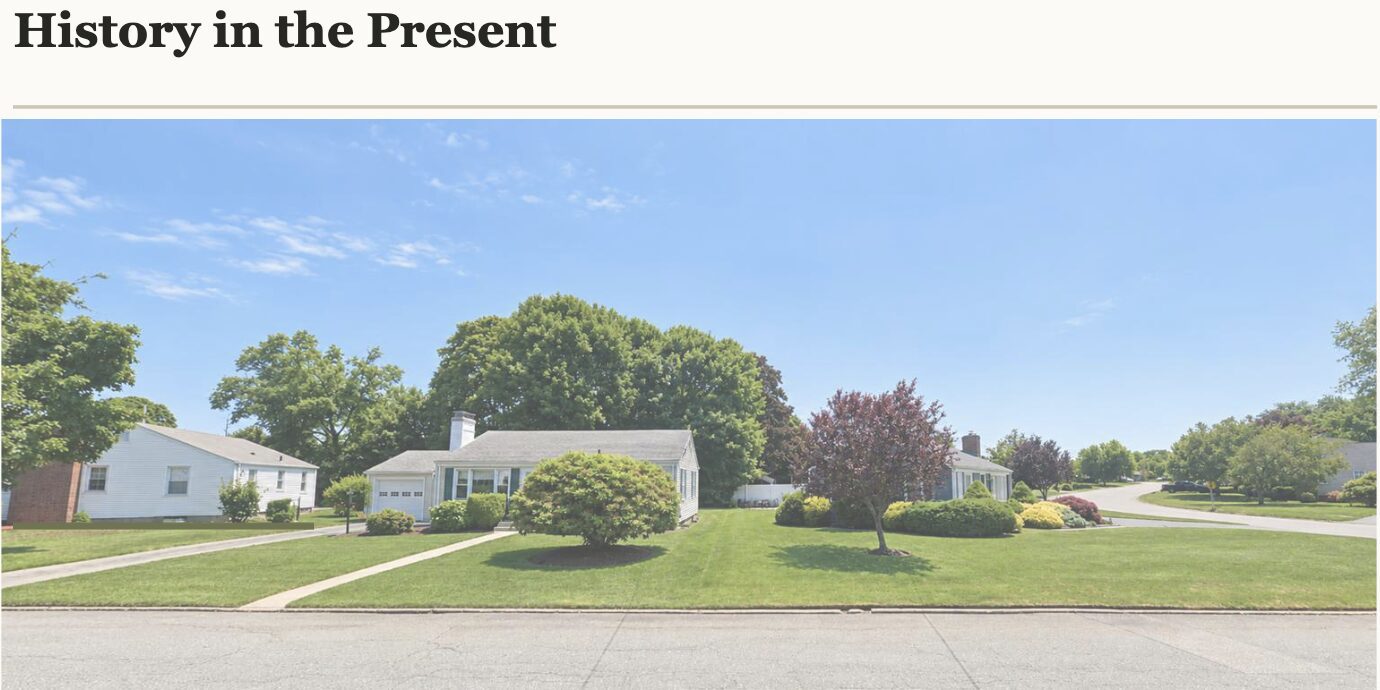
Read the entire presentation – HERE
Presentation Slides – Public Meeting 11.12.2026
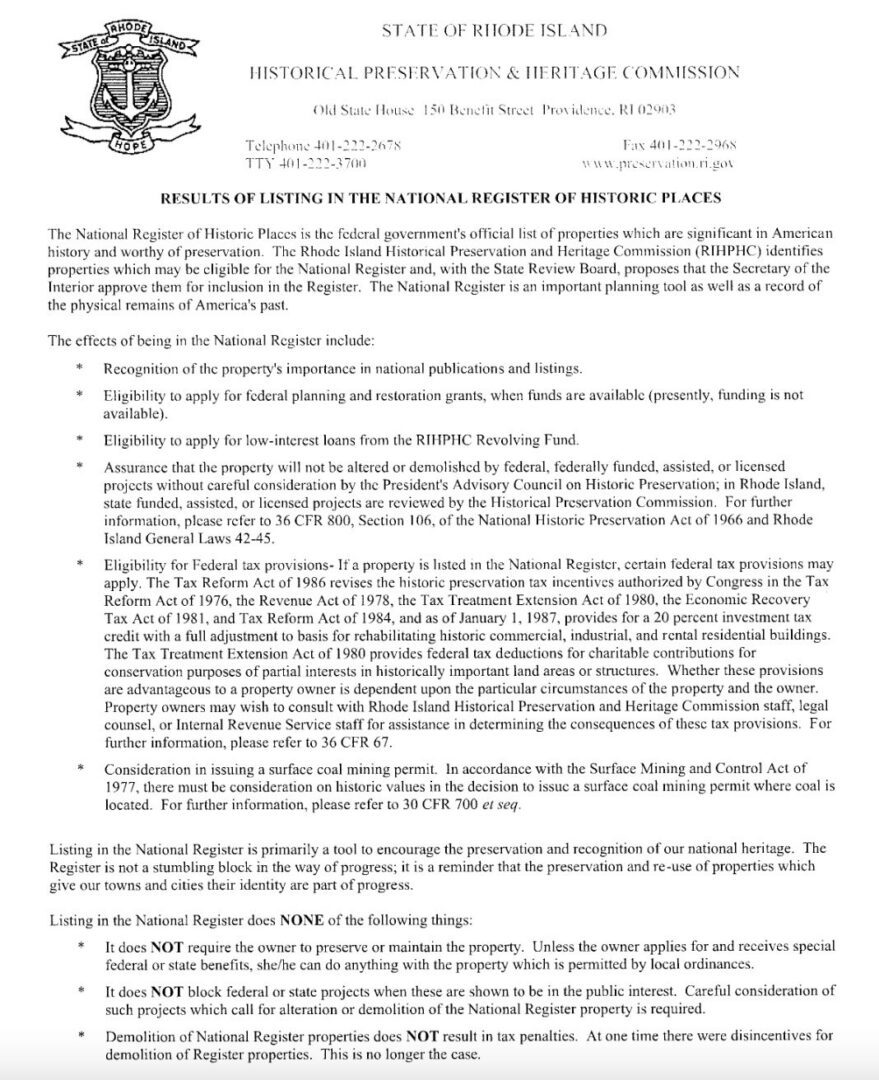
Other locations in Cranston and Warwick are:
Cranston – Oak Lawn Village, Norwood Avenue, and six residential sections of Edgewood: Aberdeen Plat, Anstis Greene Estate Plats, Arnold Farm Plat, Sally Greene Homestead Plats, Shaw Plat, and Taft Estate Plat. Cranston also has Lippitt Hill and the Furnace Hill Brook Historic and Archaeological District.
Warwick – Apponaug, Buttonwoods Beach, Forge Road, and Warwick Civic Center. The East Greenwich Historic District extends into Warwick, which also has the Meadows Archaeological District.