
Subscribe!
Housing for RI: Connecticut helps 1st Responders Buy Homes – An Idea for Rhode Island?
We start a new feature today looking at how other states – and countries – are working to solve their housing availability crisis – editors
Connecticut Helps First Responders Buy Homes—An Idea for Rhode Island?
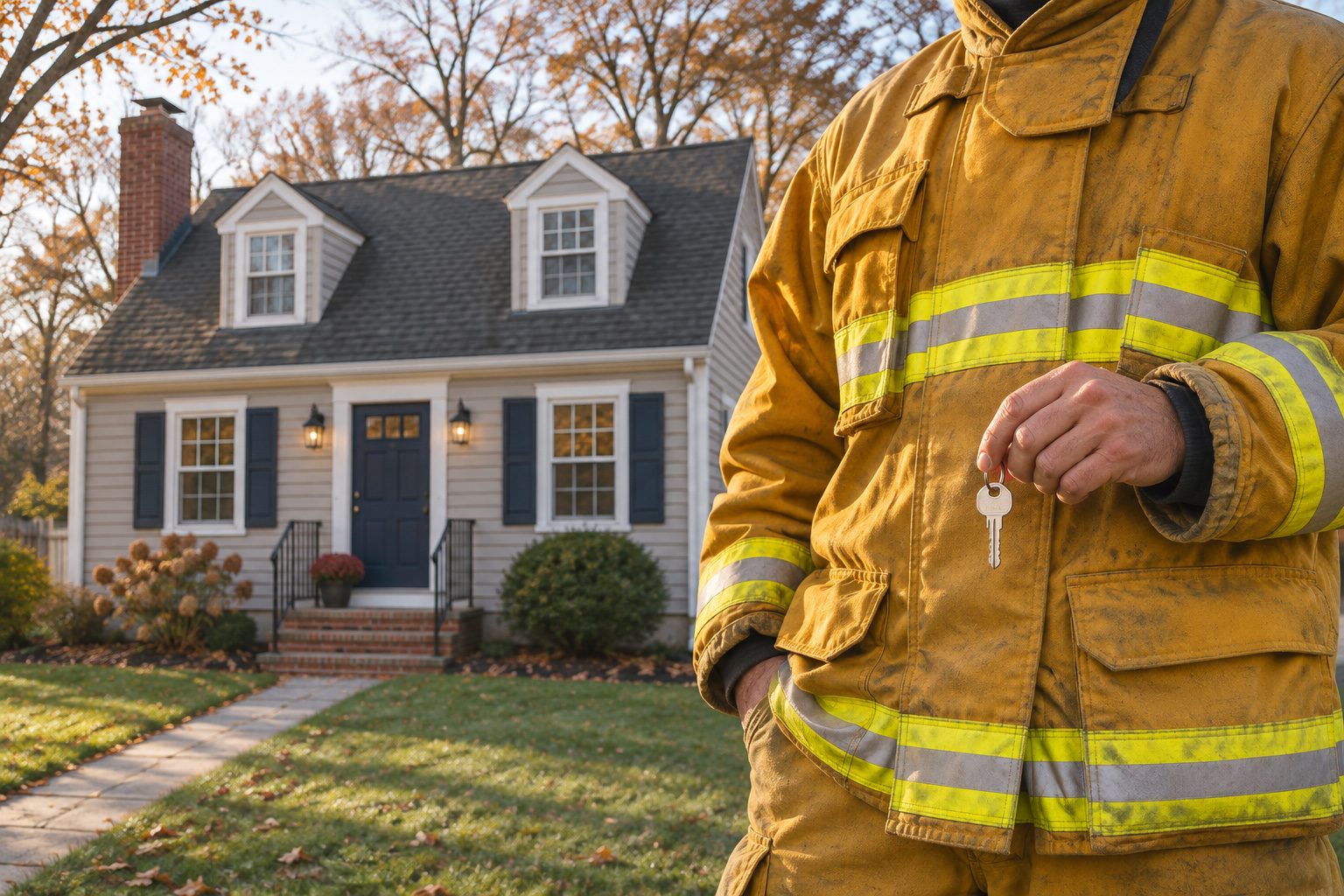
Helping first responders afford a home in the community they serve is the goal of a new Connecticut program—and an approach Rhode Island could consider.
Connecticut’s First Responders’ Time to Own program, launched November 16, offers eligible police officers, firefighters and emergency medical personnel up to $25,000 in forgivable down payment and closing cost assistance, along with a discounted mortgage rate. State officials describe it as an investment in recruiting and retaining the people communities depend on in emergencies.
The program builds on Connecticut’s existing Time to Own assistance, expanding eligibility specifically for first responders. Its central advantage is allowing applicants to qualify at higher incomes than the standard program permits.
Under the standard program, households earning more than 100% of area median income are ineligible. Those earning up to 80% can receive up to $25,000; those earning above 80% and up to 100% are limited to $18,750.
Eligible first responders can instead qualify under the Connecticut Housing Finance Authority’s higher mortgage-program income limits, with assistance of up to $25,000.
That distinction opens the door to first responders whose earnings would otherwise disqualify them from assistance—even though saving for a down payment may remain difficult.
What changes for first responders
Connecticut also removes the standard requirement that applicants have lived in the state for the previous three years. Participants must still have at least two years of qualifying Connecticut service.
The program eliminates a minimum housing-expense requirement, too. Standard Time to Own applicants generally must devote at least 30% of their income to monthly housing expenses. First responders do not have to meet that minimum, although they must still satisfy mortgage underwriting requirements.
There is a local connection built into the benefit: participants must purchase their primary residence in the community they serve.
Eligible participants include certified police officers, certified career and volunteer firefighters, and qualifying EMS personnel. Buyers also receive a 0.125 percentage-point reduction on their CHFA first-mortgage rate.
The down payment assistance is a zero-interest loan with no monthly payments. Ten percent is forgiven annually, reaching full forgiveness after 10 years, subject to the loan’s conditions.
Part of a broader commitment
“The people who protect and serve our communities should be able to afford to live in those communities,” Connecticut Comptroller Sean Scanlon said.
The housing initiative is part of Public Act 26-12, legislation adopted this year to strengthen first-responder benefits and support recruitment and retention. Other provisions address college tuition reimbursement and health coverage.
Developed by Gov. Ned Lamont and legislative public safety and labor committee leaders, the law places homeownership assistance within a broader investment in the public safety workforce. The housing program is administered by the Connecticut Housing Finance Authority in partnership with the state Department of Housing.
Where Rhode Island stands
Rhode Island already offers homebuying assistance, but the statewide programs reviewed for this article do not provide a comparable benefit specifically for first responders.
RIHousing’s 15kDPA program provides qualifying first-time buyers with $15,000 toward down payments or closing costs. It carries no interest or monthly payments, but repayment is required when specified events occur, including selling the property or ceasing to occupy it as a primary residence. Its Extra Assistance program offers up to $20,000 through a repayable second mortgage.
RIHousing also offers $25,000 through FirstGenHomeRI, which focuses on first-generation homebuyers. These programs may help qualifying first responders, but eligibility is based on homebuyer circumstances rather than their public safety service.
An idea worth examining
Connecticut’s approach gives Rhode Island a concrete model to evaluate: adapt existing homeownership assistance so more first responders qualify, offer a modest mortgage-rate incentive, and connect the benefit to buying a home where they serve.
Any Rhode Island proposal would need clear funding, income limits and rules addressing what happens when a recipient retires, changes departments or leaves the profession. Connecticut’s public program materials reviewed for this article do not clearly explain whether those employment changes would trigger repayment.
The policy question for Rhode Island is straightforward: Could helping first responders put down roots in the communities they protect become part of the state’s investment in public safety?