
Subscribe!
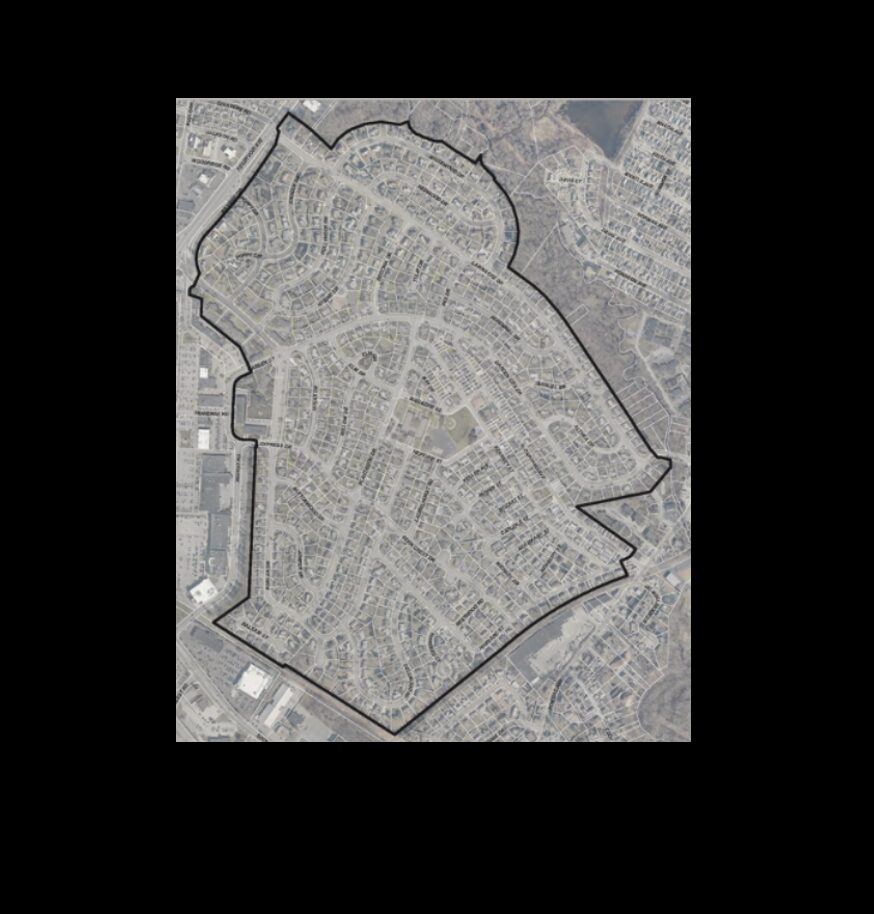
Cranston’s Garden City community nominated for National Register of Historic Places. Meeting set.
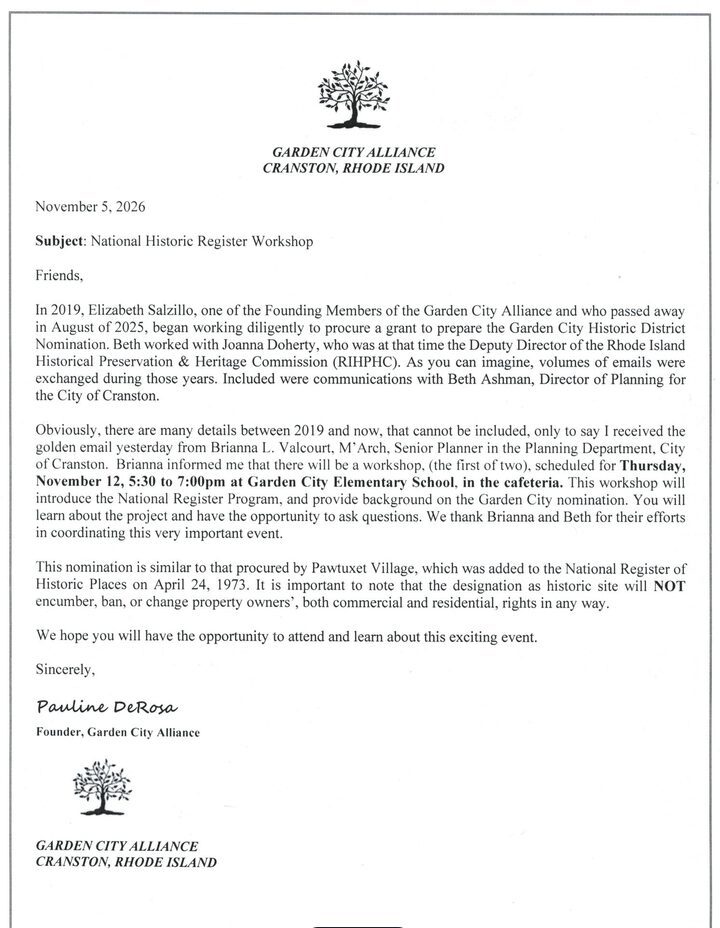
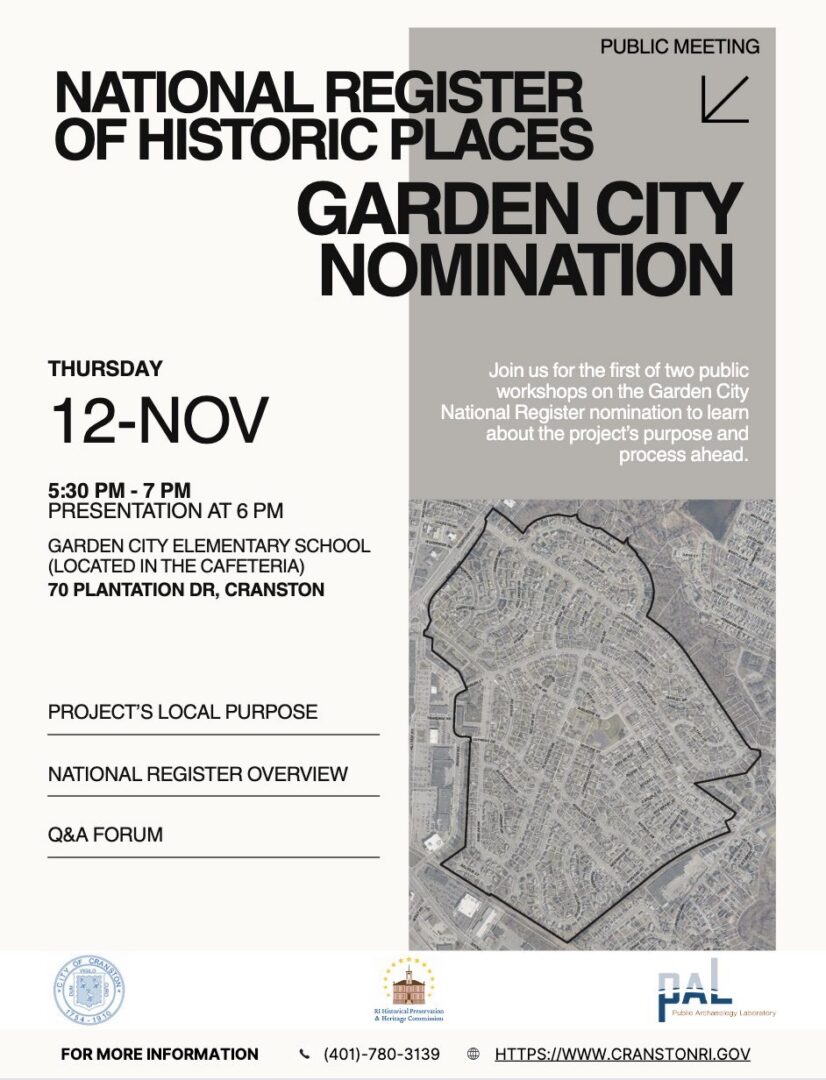
For seven years – or more – the Garden City Alliance has been advocating for the neighborhood to be on the National Register of Historic Places. And, it is about to come to fruition with one of the final steps – a neighborhood meeting to be held on Thursday, November 12th from 5:30 to 7pm at the Garden City School in the cafeteria.
Here is the letter to the community – the official notice of the meeting – and 2 articles RINewsToday published explaining the program.
Garden City, which began construction in 1946, was one of, if not the first, planned communities post World War II in America. It was introduced designed as a “City within a City” – one that would include a ready-made “Main Street,” complete with pharmacy, luncheonette, salon, supermarket, hardware store, and specialty shops, along with a church and school. Homes would be built as starter homes, where, back in the 50s most families had one car and stay-at-home mothers were more plentiful than a 2-person working family today.
Welcoming men back from the war with such a community was designed to get that generation back and off to a new start. The Garden City Shopping Center contained a well-chosen selection of retail stores, service locations, and entertainment. A bowling alley, and movie theater. A supermarket. Children’s clothing stores and a toy store. A bank. Next to the shopping center was a Catholic Church, with a school. Not far away was a public elementary school, Garden City School which was entirely rebuilt with a nod to its history in 2023. Children could walk to school. Moms could walk to the shopping center if their spouses had the car at work.
Today most homes have had some renovations, with the adding of pools, or great rooms, or finished basements, or additions. No two houses were identically placed next to one another, or were painted exactly the same. Generous backyards spoke to the family at the center of the unit. Streets were named, in large part, for trees and flowers. Shade trees were – and are – plentiful.
Written by Jennifer Robinson, Preservation Services Manager, Southern New England, “The so-called “garden city movement,” espoused by Ebenezer Howard in Britain during the late 1800s, is one example of this type of aspirational city planning. During the post-World War II era in the United States, however, suburban planning was taken to new extremes, and in many ways, Garden City shares many of the tropes of national postwar development. It received funding from the land planning division of the Federal Housing Administration (FHA), and its winding, serpentine streets are in alignment with FHA directives. Houses are neatly set back from concrete curbs, with manicured lawns and picture windows.”
Cranston’s Garden City in process to be named to National Register Historic Districts
On the passing of Elizabeth Salzillo, Co-Founder Garden City Alliance